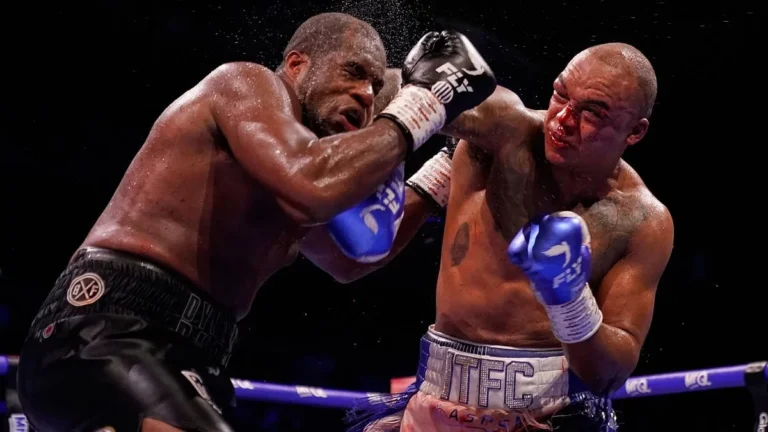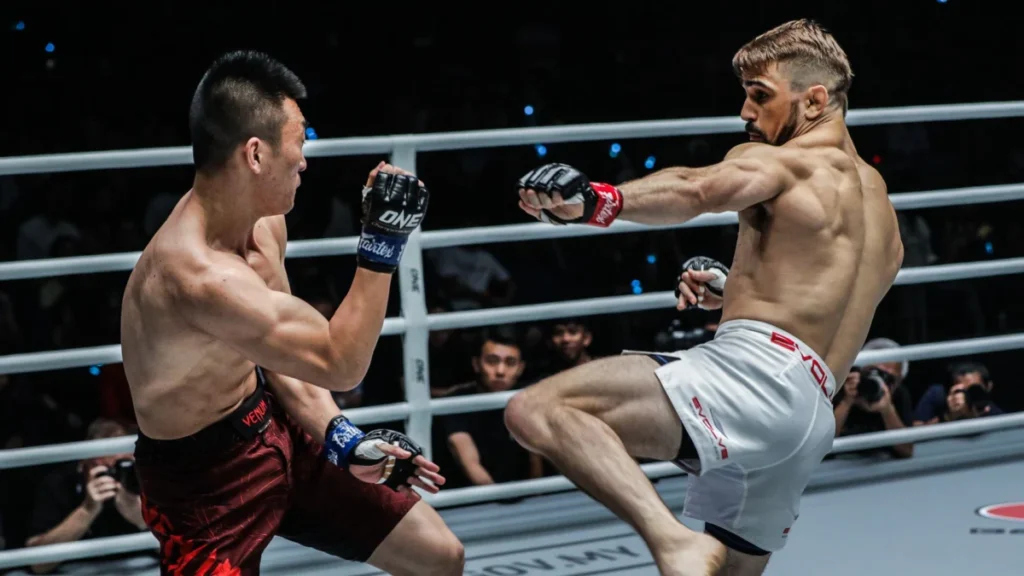

For years, seasoned striking coaches and mixed martial arts analysts have voiced a persistent frustration regarding modern fight strategy: far too many fighters consistently ignore the opponent’s body. In an era dominated by highlight reels, viral knockouts, and the pursuit of instantaneous stoppages, the cage has become heavily populated by headhunters. Many competitors step into the cage actively seeking a quick, cinematic finish—treating a one-punch knockout or a sudden head kick as the standard expectation rather than the product of patient, systematic setup. Consequently, calculated striking to the torso and midsection is often treated as unfashionable or relegated to an afterthought.

This systemic neglect remains one of the most glaring tactical inefficiencies in combat sports. While the allure of an immediate knockout is understandable, fighters who spend their entire preparation visualizing Hollywood-style finishes frequently miss the vast array of structural and strategic opportunities created by committed bodywork. Far from being merely a passive scoring tool, targeting the torso dismantles an opponent’s athletic foundation, chips away at their conditioning, and systematically manufactures the very defensive openings needed to land clean, fight-ending shots to the head.

Beyond inflicting direct physical trauma, integrating body attacks makes a fighter infinitely more difficult to read. Striking exclusively at eye level allows a defensive specialist to dial in their guard, anticipate timing, and slip incoming punches with relative ease. However, when an opponent is forced to guard against stinging front kicks to the solar plexus, thudding roundhouses into the ribs, or digging hooks to the liver, their defensive priorities fracture. A fighter who conditions their adversary to expect punishing midsection strikes naturally creates the defensive hesitation required for high-level maneuvers—such as a leaping superman punch or an overhand right—to bypass the guard and turn the lights out.
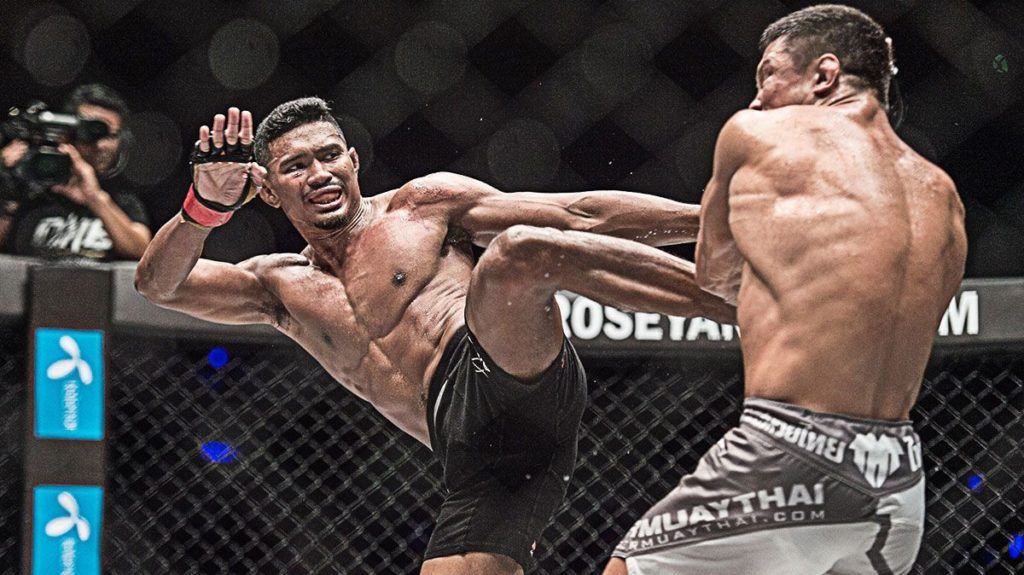
The Benefits of Targeting the Body in MMA
The strategic merits of consistent bodywork in mixed martial arts stem from anatomy, energy management, and layered offensive setups. In a grueling contest scheduled for three or five rounds, attacking the midriff acts as a non-negotiable tax on an opponent’s athletic longevity.

- Depletion of the Gas Tank: Unlike the head, which is heavily defended by tight guards and reactive head movement, the torso presents a massive, relatively static target. Digging strikes into the diaphragm, floating ribs, and liver directly restricts an opponent’s respiratory capacity. Absorbing concussive force to the lungs and abdominal wall forces a fighter to gasp for oxygen, rapidly draining their aerobic reserves and inducing severe cardiovascular fatigue as the bout progresses.
- Compromising Mobility and Leg Drive: Combat sports operate on the foundational principle that power originates from the ground up. Heavy strikes to the core disrupt an opponent’s balance and damage their structural stability. Once the midsection absorbs sustained punishment, fighters struggle to sit down on their punches, lose their explosiveness, and find their lateral footwork severely blunted.
- Systematically Lowering the Guard: The long-standing combat adage holds true: if you take the body, the head will follow. When an athlete feels genuine distress from incoming body punches or kicks, their instinctive survival reflex is to drop their elbows and tighten their arms downward to protect their damaged ribs and midsection. This involuntary drop creates vacant pathways upstairs, exposing the chin, jaw, and temples to follow-up combinations.
- Expanding Tactical Unpredictability: A fighter who attacks all three levels—the legs, the torso, and the head—presents a complex three-dimensional puzzle. Changing elevations keeps opponents guessing, freezes their counter-striking instincts, and prevents them from establishing a comfortable defensive rhythm.
The Risks When Targeting the Body in MMA
While the strategic rewards of body attacks are immense, executing them inside an MMA cage carries specific tactical hazards that require precise technical execution and strict defensive awareness.

- Vulnerability to Overhand Counters and Head Strikes: Dipping down to drive a hook into the ribs naturally brings a fighter’s head closer to the opponent’s shoulder line. If an offensive fighter fails to keep their opposite hand pinned high to their temple, or leans forward lazily without head movement, they place themselves directly in the path of return overhand punches, counters, and short hooks.
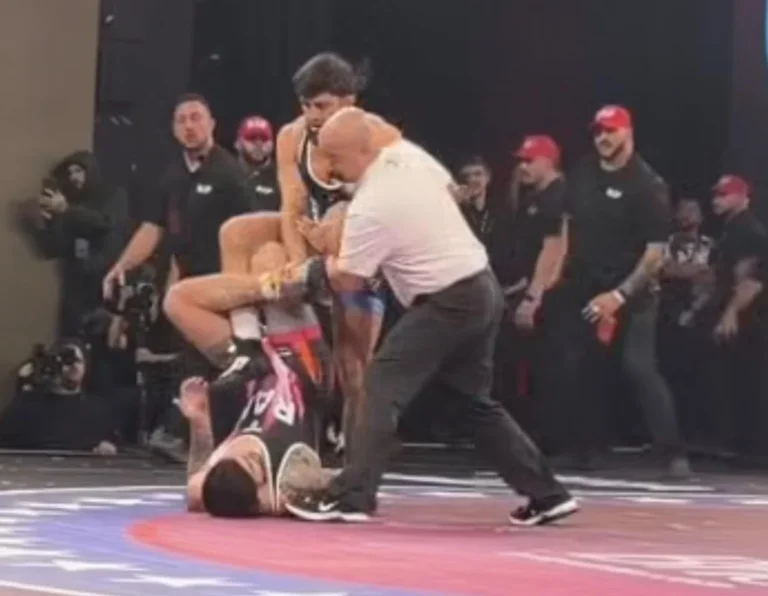
- The Danger of the Level-Change and Takedown: In mixed martial arts, any downward strike or mid-level kick introduces grappling jeopardy. A fighter who drops their weight to punch low, or who hangs their leg out after throwing a roundhouse to the torso, provides an opportunistic wrestler with a clear opening to change levels, secure a double-leg takedown, or catch the kicking limb to run the opponent down to the canvas.
- Caught Kicks and Striking Imbalance: Kicks aimed at the midsection travel higher than low leg kicks and spend more time in transit than rapid punches. An opponent with sharp timing can trap a body kick against their ribs, stripping the kicker of their balance and exposing them to immediate sweep takedowns, heavy overhand rights, or prolonged clinch engagements against the fence.
Different Types of Body Strikes in MMA
In traditional Western boxing, bodywork is strictly confined to the fists, demanding complex infighting, tight slips, and close-quarters angling. Mixed martial arts, however, grants athletes an expansive kinetic arsenal. Fighters are equipped not only to punch the body, but also to batter the midsection using snapping front kicks, heavy roundhouse shins, driving knees, and the occasional close-range elbow.

Throughout the evolution of the sport, elite practitioners have demonstrated how transformative an intentional body-striking game can be. Hall of Famers and former world champions such as Bas Rutten, Nick Diaz, Max Holloway, Eddie Alvarez, and Jon Jones built historic careers largely on their refusal to become simple headhunters. Each recognized that dismantling the human frame requires a varied, multi-tiered approach.

The most practical and devastating body-striking tools inside the cage include:

The Hook to the Body
Few punches in combat sports carry the abrupt, paralyzing finality of a perfectly placed body hook, particularly when targeted at the liver on an opponent’s right side. Unlike knockouts caused by brain trauma, a clean liver shot triggers a visceral nervous-system response that can instantly shut down a fighter’s legs and force an involuntary collapse.

Former UFC featherweight champion Max Holloway stands as one of the premier modern architects of this technique. Renowned for his relentless pace, durable gas tank, and blistering punch combinations, Holloway does not rely on single, predictable haymakers. Instead, he traps his opposition along the perimeter of the cage and unleashes prolonged, multi-shot flurries. Holloway routinely blinds his opponents with rapid straight punches upstairs before dropping his hips and sinking crisp hooks directly into the exposed ribcage.

Similarly, Nick Diaz famously utilized the philosophy of "putting money in the bank" throughout his storied career. Diaz understood that early body hooks pay massive dividends in the championship rounds. By walking opponents down, feigning high with straight lefts and rights, and continuously digging under the opponent’s raised guard, Diaz steadily chipped away at his opponents’ endurance until they were completely exhausted and defensively compromised.

The Teep
For taller athletes possessing considerable reach and long limbs, the Muay Thai push kick, or teep, serves as both an impenetrable barrier and an offensive piston.

Jon Jones, widely regarded as one of the most gifted martial artists in combat sports history, elevated the teep to a central component of his championship arsenal. Acting essentially as a linear spear driven straight into the midriff, a well-timed teep accomplishes multiple objectives simultaneously. Offensively, it drives the breath from an opponent’s lungs and tenderizes their abdominal core. Defensively, it halts forward momentum, pushing aggressive blitzers backward and maintaining the exact long-range distance required to set up subsequent strikes. By repeatedly jabbing the midsection with his foot, Jones controls the physical real estate of the cage, forcing opponents to reset their offense while steadily sapping their energy.

The Roundhouse
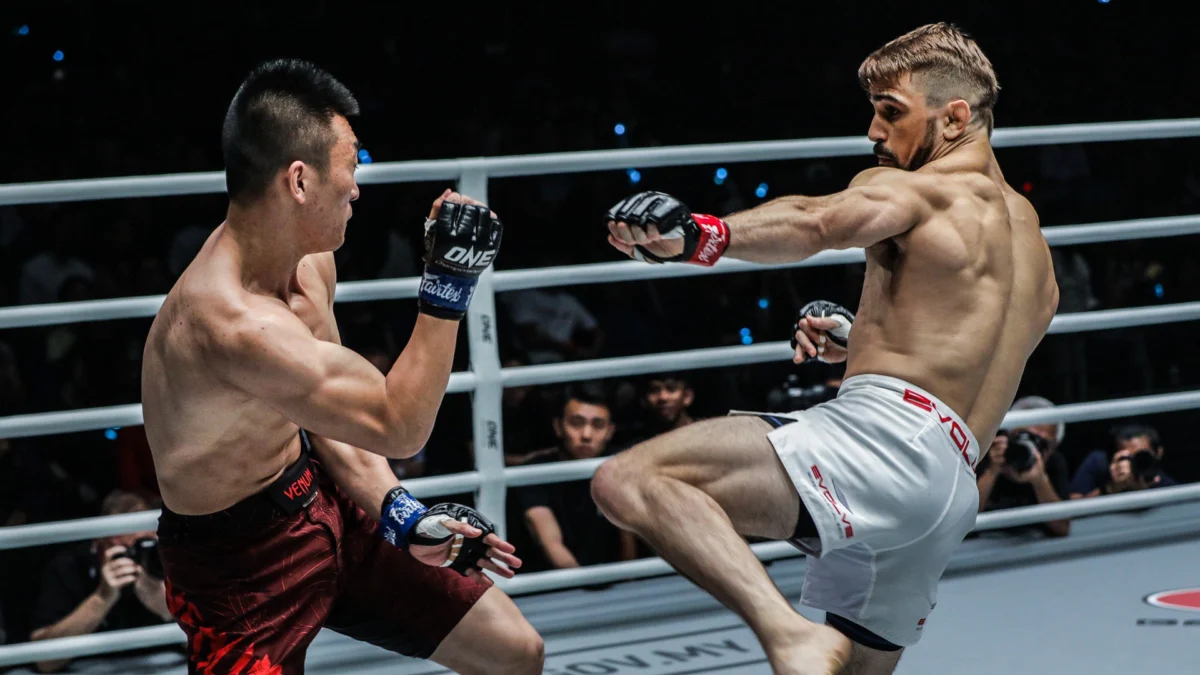
The Thai-style roundhouse kick delivered with the shin remains one of the most devastating concussive weapons available in martial arts. The sheer kinetic force of a shin slamming across an opponent’s ribs, spleen, or liver can crack bones, bruise internal organs, and decisively end a contest in a fraction of a second.

This strike has been refined over generations by elite Muay Thai legends such as Saenchai and Yodsanklai Fairtex, whose crushing kicking mechanics have heavily influenced modern mixed martial artists. Inside the cage, dynamic strikers like former UFC lightweight champion Anthony Pettis and the legendary Anderson Silva have wielded the mid-level roundhouse with lethal precision. Whether disguised behind a jab or thrown from an open stance as a switch kick, the roundhouse forces defenders into an agonizing dilemma: either risk dropping their arms to absorb bone-jarring impact on their forearms, or risk suffering an instant body-shot knockout.

Knees to the Body from the Clinch
When the range collapses and a fight enters the infighting phase, few maneuvers inflict deeper physical agony than driving knees into the midsection from the clinch.

To unleash these strikes with maximum leverage, a fighter must first secure technical control, often through the double collar tie or an underhook-and-wrist-control configuration. When an athlete lacks sophisticated clinch defense, they become exceptionally vulnerable to an experienced clinch practitioner. Once locked in position, the offensive fighter can manipulate their opponent’s posture, pulling their torso downward while driving the point of the knee upward into the solar plexus and floating ribs. Striking specialists such as Sagetdao Petpayathai have demonstrated the terrifying utility of this approach, using the clinch to completely immobilize opponents, hollow out their stamina, and inflict brutal, fight-ending core damage.

Ultimately, committing to midsection attacks separates predictable headhunters from truly complete mixed martial artists. While landing a clean one-punch knockout to the jaw will always captivate casual audiences, the highest levels of combat sports demand tactical depth. By mastering the diverse mechanics of hooks, teeps, roundhouses, and clinch knees—while respecting the technical risks of takedowns and counters—fighters possess the exact blueprint needed to systematically break down any opponent who steps into the cage.