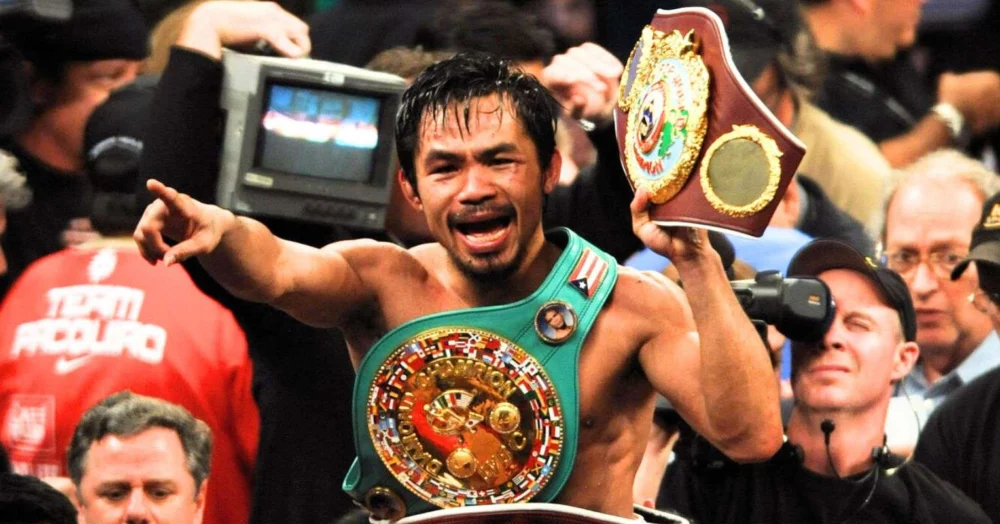
Manny Pacquiao, known globally as "PacMan," stands as an undisputed titan in the annals of boxing history. His journey from impoverished beginnings in the Philippines to becoming an eight-division world champion is the stuff of legend. With a career spanning decades, Pacquiao captivated audiences with his relentless southpaw aggression, blinding speed, devastating power, and humble demeanor outside the ring. He transcended the sport, becoming a cultural icon and eventually a senator in his home country, embodying the spirit of a true global superstar. His fights were always events, showcasing a warrior spirit that endeared him to millions, and his legacy as one of the pound-for-pound greatest fighters ever is secure.
Yet, even the greatest champions face their ultimate foils. For Manny Pacquiao, that formidable adversary was Juan Manuel Márquez, the Mexican maestro of counter-punching, aptly nicknamed "Dinamita." Márquez, a four-division world champion himself, was renowned for his exceptional technical skill, precise timing, and unwavering ring intelligence. He represented the classic Mexican boxing style – resilient, tactically brilliant, and possessing concussive power in both hands. Márquez’s career was equally distinguished, marked by a commitment to perfection and a desire to prove himself against the very best.
Their rivalry, a four-part epic spanning eight years, is arguably one of the most compelling and hotly contested sagas in boxing history. It began in May 2004, a collision of styles and wills that instantly captured the imagination of the boxing world. Pacquiao, fresh off his stunning upset of Marco Antonio Barrera, burst out of the gates, dropping Márquez three times in the very first round with his trademark left hand. It seemed the fight would be a quick rout. However, Márquez, displaying incredible heart and resilience, not only survived the onslaught but systematically adjusted, out-boxing Pacquiao for much of the remaining eleven rounds. The fight ultimately ended in a controversial draw, with one judge admitting to a scoring error that cost Pacquiao a victory. This inconclusive result merely whetted the appetite for more.
The rematch arrived nearly four years later, in March 2008. By this time, Pacquiao was a global superstar, and Márquez had solidified his own elite status. The anticipation was palpable. The second encounter proved to be another razor-thin affair, a chess match punctuated by bursts of explosive action. Pacquiao scored a crucial knockdown in the third round with a left hook, but Márquez again rallied, delivering a masterful performance that saw him land cleaner punches for significant stretches. The decision, a split decision in favor of Pacquiao, was met with boos and further controversy, with many analysts and fans believing Márquez had done enough to win. For Márquez, it was another perceived injustice, a growing sense of being "robbed" that would fuel his ambition for years to come.
The third chapter in their rivalry unfolded in November 2011, with both men still at the peak of their powers, firmly entrenched in the pound-for-pound discussions. The fight was branded "Pacquiao-Márquez III: The Rubber Match," promising a definitive end to their long-standing dispute. What transpired was perhaps the closest and most contentious of their encounters. For twelve rounds, they traded blows, skills, and strategic advantages. Márquez, seemingly having Pacquiao’s timing down, landed numerous clean counter-punches, bloodying Pacquiao’s nose and often frustrating the Filipino legend’s aggression. Pacquiao, for his part, maintained his high work rate and landed powerful combinations in spurts. When the final bell rang, the outcome was again shrouded in doubt. The judges’ decision, a majority decision for Pacquiao, ignited a firestorm of controversy. The crowd erupted in chants of "Robbery! Robbery!" and Márquez, visibly incensed, stormed out of the ring, convinced he had been denied victory once more. The trilogy, instead of providing closure, only deepened the animosity and the narrative of unfinished business.
The stage was thus set for an unprecedented fourth encounter in December 2012, a non-title welterweight clash billed as "Pacquiao-Márquez IV: Fight of the Century." This was more than just a boxing match; it was a personal crusade for Márquez, a chance to finally, unequivocally, prove his superiority over his greatest rival. For Pacquiao, it was an opportunity to silence the lingering doubts and firmly cement his dominance. Both fighters, though having aged, had lost none of their competitive fire. Márquez, in particular, had undergone a noticeable physical transformation, appearing stronger and more muscular than in previous outings, a change that raised eyebrows and led to later speculation, though never proven. The narrative was clear: vindication versus affirmation.
The fight itself, held at the MGM Grand Garden Arena in Las Vegas, was a whirlwind of controlled chaos from the opening bell. Pacquiao, true to form, started aggressively, using his superior footwork and angles to launch furious combinations. He sought to overwhelm Márquez early, aiming to deny the Mexican the time and space to set up his counters. Márquez, however, remained disciplined, circling and patiently looking for openings, embodying his "Dinamita" moniker, waiting for the precise moment to detonate.
The first major shift in momentum came in the third round. As Pacquiao pressed forward, perhaps a fraction too eagerly, Márquez unleashed a perfectly timed overhand right. The punch landed flush, catching Pacquiao off balance and sending him crashing to the canvas for the first time in their rivalry. The arena erupted, a mixture of shock and exhilaration. Pacquiao, ever the warrior, rose quickly, seemingly more embarrassed than hurt, and continued the round with renewed caution.
Remarkably, Pacquiao not only recovered but came back with a vengeance. In the fourth and fifth rounds, he appeared to take control, his speed and volume beginning to wear on Márquez. In the fifth, Pacquiao landed a powerful left hand that sent Márquez reeling, forcing him to touch his glove to the canvas, resulting in a knockdown for Pacquiao. Márquez’s nose was bleeding, and he looked genuinely hurt for the first time in the fight. Pacquiao, sensing blood, pressed his advantage, unleashing a barrage of punches that had Márquez momentarily on the ropes. It seemed as though Pacquiao was on the verge of finally breaking his nemesis, poised to deliver a definitive victory that had eluded him in their previous encounters.
But then, in the dying seconds of the sixth round, everything changed in an instant. Pacquiao, with his characteristic relentless aggression, lunged forward with a left hand, perhaps slightly over-committed, seeking to land another impactful blow before the bell. It was precisely the opening Márquez had been patiently waiting for, a split-second window of vulnerability. With the precision of a master craftsman, Márquez unleashed a devastating counter right hand. It was a punch born of years of studying his opponent, of anticipating every movement, every tendency.
The punch landed with sickening force directly on Pacquiao’s chin. The impact was immediate and catastrophic. Pacquiao collapsed face-first to the canvas, his body rigid before he even hit the mat, utterly unconscious. The arena, moments before a cacophony of cheers and chants, fell into an eerie, collective silence. It was a silence born of shock, disbelief, and profound concern for the fallen champion. Márquez, standing over his vanquished rival, raised his arms in triumph, his face a mixture of elation and relief. He had done it. He had achieved the ultimate vindication, not with a controversial decision, but with a single, conclusive, and brutal punch.
Pacquiao eventually regained consciousness and was helped to his feet, a dazed and defeated look on his face. It was one of the most dramatic and shocking knockouts in recent boxing memory, a moment that sent shockwaves through the sport and etched itself permanently into the minds of all who witnessed it. For Juan Manuel Márquez, the long, arduous journey for closure had finally ended in the most emphatic way imaginable. He had not only beaten Pacquiao but had done so decisively, silencing all doubters and etching his name into the pantheon of Mexican boxing legends.
The impact of that knockout was profound for both men. For Márquez, it was the crowning glory of an already illustrious career. For Pacquiao, it was a brutal, humbling defeat, one that raised questions about his future in the sport. Yet, true champions possess an indomitable spirit. Pacquiao’s career, far from ending that night, continued for several more years, seeing him capture more world titles and further solidify his legacy. He would go on to set the record as the oldest welterweight world champion in history in 2019, defeating Keith Thurman in a thrilling contest.
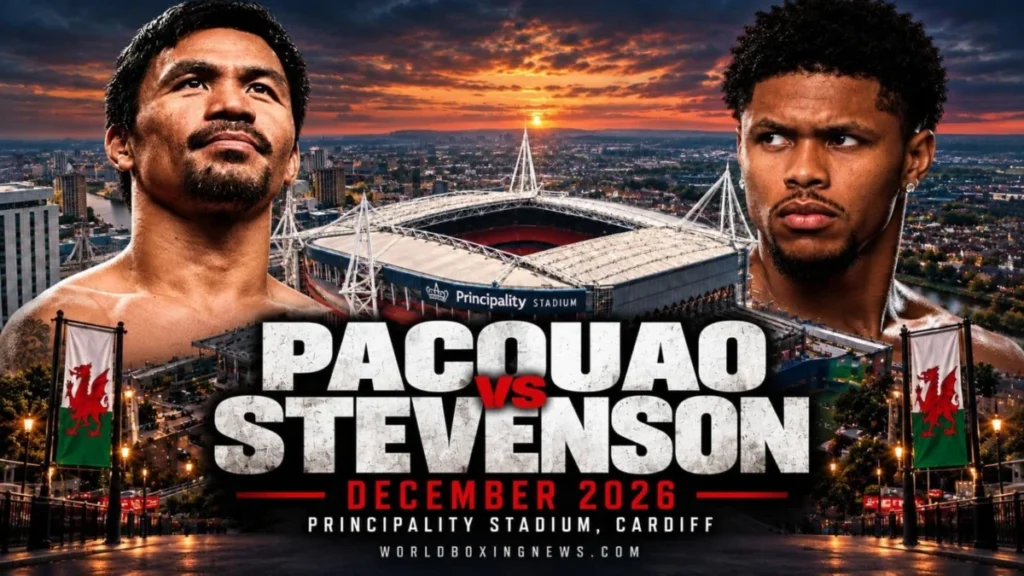
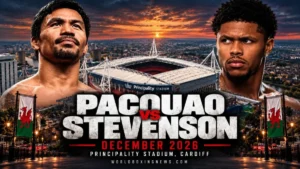
Now, years after that historic knockout and a period of relative inactivity, Manny Pacquiao is once again looking to defy age and expectations, targeting a return to the ring later this year. His ambition? To reclaim that title, to once again become the oldest welterweight world champion, a testament to his enduring passion for the sport. This potential comeback fight is rumored to be against Mario Barrios, a formidable and much younger opponent who holds the WBC interim welterweight title.
Intriguingly, Juan Manuel Márquez, the man who delivered Pacquiao’s most devastating defeat, has offered his perspective on his former rival’s comeback chances. Speaking to Pro Box TV, Márquez shared a cautious but respectful optimism: "If Pacquiao feels good, no shoulder, knee, or foot injuries, and he’s perfectly fine – let’s give him the benefit of the doubt. Let’s see what kind of fight he has to put up against Mario Barrios." Márquez understands the toll that age and injuries can take on a fighter, especially one who has engaged in as many wars as Pacquiao.
Márquez continued, delving into the tactical aspects: "Will he be aggressive? Will he rely on his power? Because power is the last thing a fighter loses. Let’s give the benefit of the doubt to a historic fighter. What matters is the integrity of the fighter. Pacquiao still hits hard. Let’s see how Barrios handles that." This assessment from Márquez is telling. He acknowledges Pacquiao’s inherent power, a quality that often remains even when speed or reflexes wane. He also highlights the critical questions surrounding Pacquiao’s approach and physical condition, particularly against a younger, hungry champion like Barrios.
Pacquiao’s comeback is not merely a fight; it’s a narrative of resilience, a challenge to time itself. He faces the daunting task of shaking off ring rust, overcoming the natural decline that comes with age, and proving that the fire still burns brightly enough to compete at the elite level. The shadow of that devastating knockout by Márquez will always be a part of his story, a reminder of the sport’s unforgiving nature. However, it is precisely this ability to rise from adversity, to continue striving for greatness against all odds, that defines Manny Pacquiao’s legendary career. As the boxing world watches, the question remains: Can the "PacMan" once again defy Father Time and add another glorious chapter to his unparalleled legacy, even after facing the kind of punch that defines a rivalry forever?