


Over the decades, the landscape of hand-to-hand combat and physical training has undergone a profound transformation. While traditional martial arts carry a rich historical lineage deeply rooted in ancient philosophies, mental discipline, and time-honored physical techniques, modern Mixed Martial Arts, commonly known as MMA, has emerged as a dynamic synthesis of various fighting styles engineered specifically for real-world combat efficiency and athletic competition. The ongoing debate regarding the superiority of traditional martial arts versus MMA frequently surfaces among athletes, historians, and fitness enthusiasts alike when discussing which developmental pathway holds greater value. However, the reality of this comparison is far more nuanced than a simple binary choice between old and new methodologies.
Examining the core differences between these two broad categories requires a comprehensive look at their underlying philosophies, technical execution, and training methodologies. By evaluating how practitioners prepare, compete, and apply their skills, observers can gain a clearer understanding of what each discipline offers and how individuals determine which approach aligns with their personal physical and mental aspirations.
The Philosophical Foundations
One of the most profound distinctions separating traditional martial arts from modern MMA lies in the philosophical frameworks that govern them. Traditional martial arts systems—such as Karate, Kung Fu, and Taekwondo—traditionally place an immense amount of weight on holistic personal development, mental fortitude, stringent discipline, and deep-seated respect for instructors, peers, and opponents. Many of these ancient systems carry profound cultural, historical, or spiritual significance, passing down values and codes of conduct that extend far beyond the physical parameters of combat or self-defense.
In disciplines like Karate, practitioners routinely adhere to a formal code of ethics that incorporates cardinal virtues such as honor, humility, perseverance, and self-control. Similarly, the foundational principles of Judo emphasize not merely the mechanics of self-defense, but also the principles of mutual welfare, benefit, and continuous personal growth through physical education. Within these environments, moral and ethical development is viewed as equally important as the mastery of physical techniques.
In sharp contrast, MMA represents a thoroughly contemporary evolution of combat sports that prioritizes practical effectiveness, adaptability, and athletic performance. Athletes who train in MMA enter the gym with the primary objective of achieving success in highly competitive athletic arenas, drawing freely from a vast catalog of established fighting disciplines such as boxing, Brazilian Jiu-Jitsu, Muay Thai, and American wrestling. While professional sportsmanship, mutual respect, and personal discipline remain critical components of any reputable MMA training facility, the core emphasis leans heavily toward practical utility, physical conditioning, and functional athleticism rather than esoteric philosophical teachings or cultural traditions.
Ultimately, the decision for an individual navigating the choice between traditional martial arts and MMA often hinges on whether they are searching for a comprehensive, philosophically driven lifestyle practice or a rigorous, goal-oriented sport that prizes immediate combat effectiveness above all else.
Techniques and Fighting Styles
When analyzing the technical execution and fighting styles associated with traditional martial arts versus MMA, the contrast is striking. Traditional martial arts are frequently defined by formal, structured stances, predetermined movement patterns known as katas, and highly prescribed techniques practiced in isolation. For instance, Karate and Taekwondo focus extensively on striking arts, placing a premium on precise, lightning-fast high kicks and linear punches. Meanwhile, traditional Kung Fu systems are universally recognized for their fluid movements and diverse repertoires of open-hand strikes, complex blocks, and dynamic footwork that often stylistically imitate the defensive and offensive motions of various animals.
Traditional disciplines typically encourage the relentless perfection of individual techniques over extended periods of time. This training is generally conducted within a controlled, predictable environment, with live, resistive sparring often minimized or entirely absent during the initial stages of a student’s development. While the resulting techniques can possess incredible aesthetic beauty and undeniable mechanical efficiency, critics frequently argue that such rigid structures can prove too inflexible when exposed to the chaotic, unpredictable nature of a dynamic, unscripted confrontation.
Conversely, the entire architecture of MMA is built around versatility, improvisation, and seamless adaptability. Modern MMA competitors train across a multitude of distinct combat domains—including striking, wrestling takedowns, the clinch game, and ground submissions—all of which must be mastered so they can be deployed interchangeably depending on how a fight unfolds. An MMA athlete is required to maintain high proficiency in both upright striking and complex ground-based grappling. The ability to transition effortlessly from throwing punches on the feet to shooting for a double-leg takedown makes MMA a considerably less stylized and far more fluid form of combat.
Techniques utilized in the cage are deliberately curated to be practical and reliable under severe physical pressure, whether in a high-stakes athletic competition or an emergency self-defense scenario. Rather than forcing a practitioner to master a single, isolated martial art, MMA encourages cross-training and the strategic blending of complementary disciplines. A modern cage fighter might utilize the devastating elbow and knee strikes of Muay Thai, transition into folkstyle or freestyle wrestling for dominant positioning, and apply the intricate joint locks and chokes of Brazilian Jiu-Jitsu to finish an adversary.
When deciding between these distinct pathways, prospective students must evaluate whether they desire to deeply specialize in the nuanced mastery of a singular traditional discipline or embrace the vast flexibility that comes with cross-training across multiple fighting modalities.
Training Methods and Sparring
Another major divergence in the ongoing dialogue between traditional martial arts and MMA is the structural design of their daily training sessions. Traditional martial arts academies heavily emphasize structural form, meticulous technical drills, and repetitive katas—choreographed sequences designed to simulate defensive and offensive scenarios against imaginary attackers. This pedagogical approach is exceptionally effective at building deep muscle memory, physical discipline, and high levels of technical precision, yet these rehearsed movements do not always translate seamlessly into chaotic, live combat scenarios where an opponent is actively resisting every motion.
Sparring within traditional martial arts is likewise distinct, typically characterized by controlled, light-contact exchanges, particularly in disciplines such as Olympic-style Taekwondo or traditional point-fighting Karate. Practitioners adhere to strict regulatory rulesets specifically designed to mitigate the risk of serious injury. While this controlled methodology successfully builds student confidence, improves timing, and refines execution, it frequently lacks the raw intensity, physical exhaustion, and unpredictable pressure characteristic of a genuine physical confrontation.
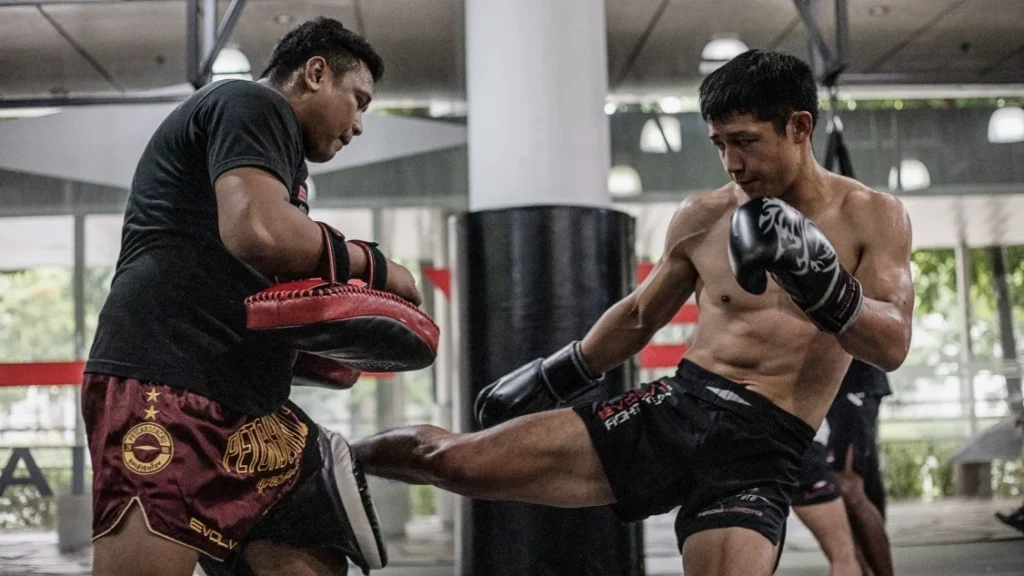
In stark contrast, the training regimen of an MMA athlete revolves heavily around live sparring, situational wrestling drills, and hard sparring sessions designed to replicate the exact physiological and psychological conditions of a professional fight. MMA fighters routinely engage in rigorous, full-contact conditioning, preparing their bodies to absorb trauma, manage severe fatigue, and maintain cognitive function while under physical duress. Consequently, the training is exceptionally demanding, placing an equal premium on cardiovascular endurance, muscular strength, and psychological resilience alongside technical proficiency.
Furthermore, MMA practitioners must routinely train in the transitional phases of combat—moving fluidly from striking ranges to grappling clinches, and finally to mat-based submissions. This multifaceted preparation equips fighters with a remarkably broad toolkit capable of handling rapid shifts in momentum. For individuals attempting to choose their training environment, these methodological differences are crucial. Those who prefer a structured, lower-impact atmosphere focused on personal progression often find comfort in traditional arts, while individuals seeking high-intensity, full-contact simulation lean toward the rigorous environment of MMA gyms.
Competition and Practical Application
The environments in which traditional martial arts and MMA are tested competitively reflect their underlying philosophies. Traditional martial arts tournaments operate under highly restrictive rulesets designed to govern the exact types of techniques permitted, the legal target areas on the human body, and the manner in which points are awarded. In tournament circuits for Karate or Taekwondo, judges score competitors based primarily on the visual precision, speed, control, and execution of strikes, rather than the physical trauma or damage inflicted upon the opponent.
MMA competitions, most visibly popularized by organizations such as the Ultimate Fighting Championship, operate under the Unified Rules of Mixed Martial Arts, which permit a remarkably wide spectrum of offensive and defensive techniques drawn from a multitude of martial disciplines. Within the cage, athletes are permitted to strike with fists, feet, elbows, and knees, execute complex takedowns, and attempt joint locks or chokeholds with minimal stylistic restrictions. The objective extends far beyond accumulating arbitrary judges’ points; fighters strive to decisively incapacitate or force the submission of their opponent. This comprehensive, full-contact competitive model appeals directly to athletes seeking to test their abilities under maximum psychological and physical pressure.
Additionally, many sports analysts and self-defense instructors argue that the practical techniques refined through MMA competition offer superior utility in modern self-defense situations due to their heavy reliance on resistance-tested mechanics and adaptability. While traditional martial arts certainly contain valuable self-defense applications, critics note that certain stylized movements may lack reliability when executed outside of controlled dojos. Ultimately, an individual’s preference between these competitive models depends on whether they value a structured sport governed by strict point-scoring and form, or an open combat arena that prioritizes real-world versatility and decisive outcomes.
Which Should You Choose?
Selecting a path between traditional martial arts and mixed martial arts depends heavily on an individual’s personal aspirations, physical capabilities, and lifestyle goals. For those drawn to a practice deeply embedded in historical culture, philosophical enrichment, and structured mental discipline, traditional martial arts provide a profoundly rewarding experience. The concentrated focus on ethical behavior, respect, and long-term technical mastery serves as an ideal outlet for practitioners who view martial arts as a lifelong journey of self-improvement that transcends physical combat.
Conversely, individuals whose primary motivation centers on developing comprehensive athletic versatility, functional conditioning, and a well-rounded fighting repertoire often find that MMA represents a more suitable fit. The inherent cross-training philosophy allows students to extract the most demonstrably effective techniques from a diverse array of combat sports, ensuring high adaptability across varied physical scenarios. Because both categories offer distinct physical and mental benefits, neither approach holds a universal monopoly on quality. The final decision rests entirely on what an individual hopes to achieve through their training.