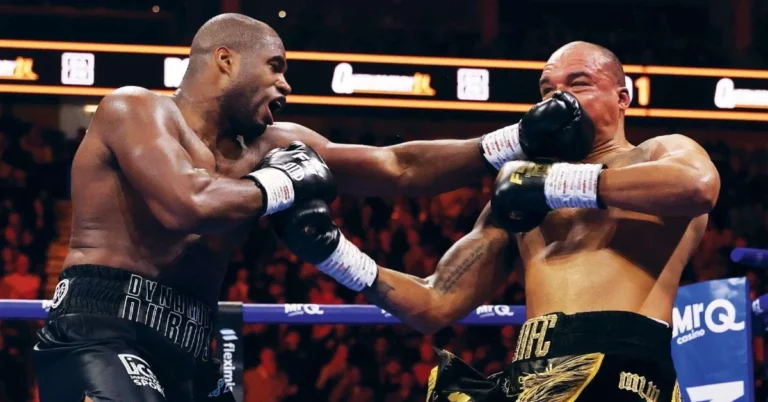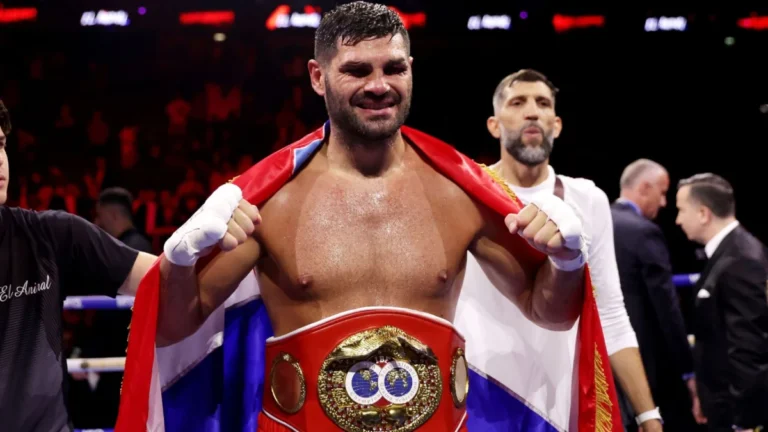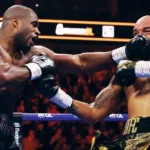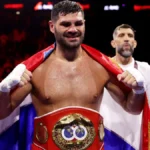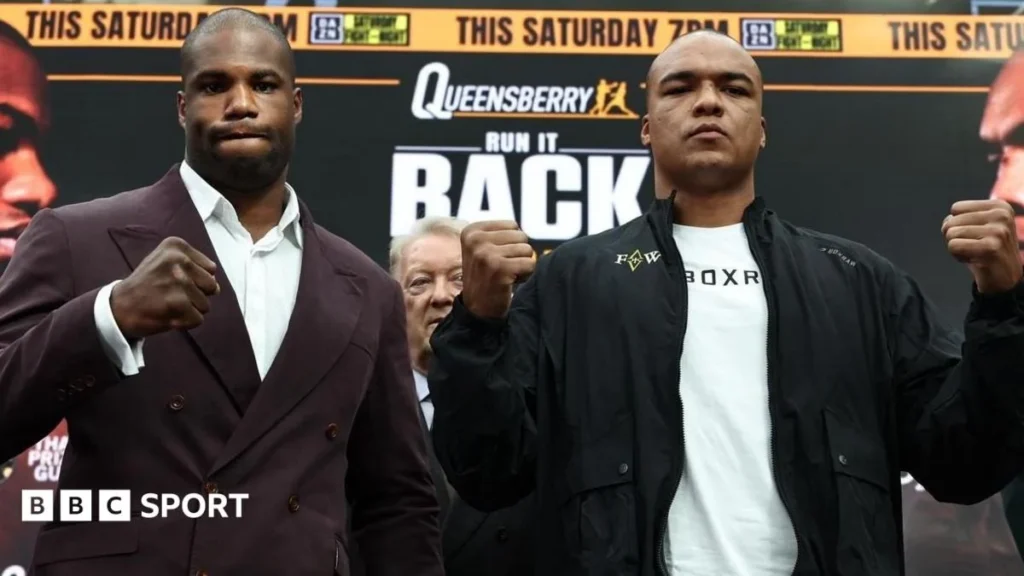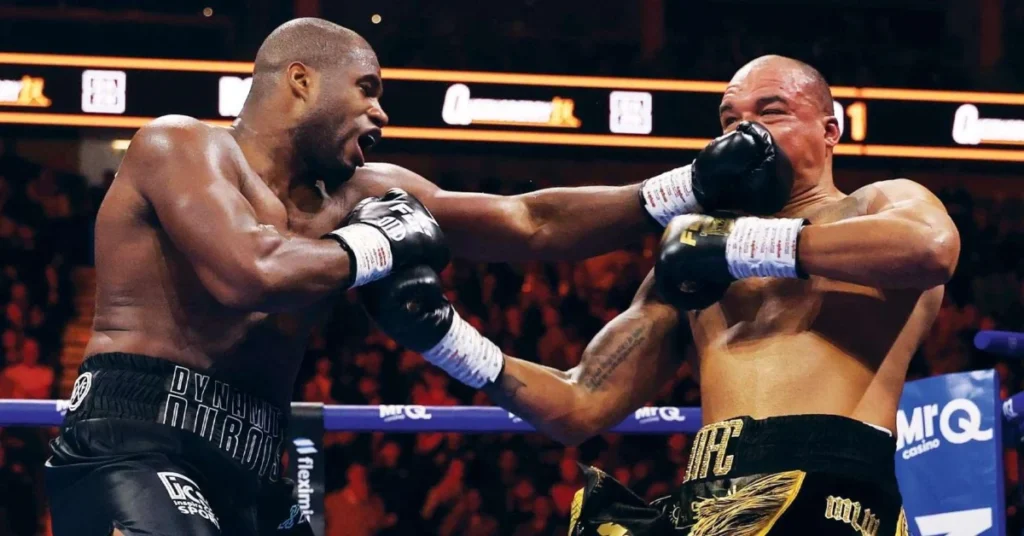
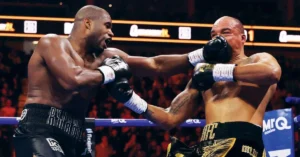
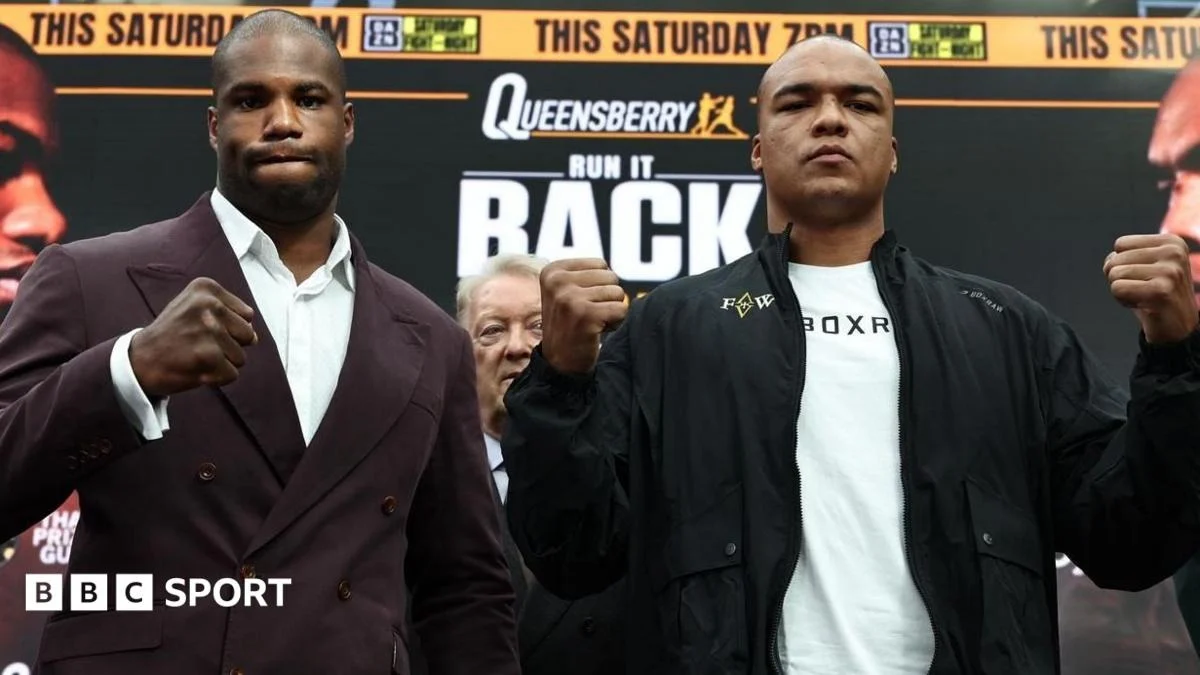
Daniel Dubois defends his WBO heavyweight title against fellow Briton Fabio Wardley at London’s O2 Arena on Saturday, setting the stage for an immediate rematch of their thrilling and brutal first encounter last May. The bout promises high drama as both fighters put their careers, reputations, and future championship aspirations on the line in one of the most anticipated domestic heavyweight clashes of the year.
Reflecting on the dramatic conclusion of their first fight, BBC Radio 5 Live boxing analyst Steve Bunce recalled the immediate aftermath of the bout. Sitting ringside, Bunce heard Wardley’s first words in the ring moments after suffering a brutal 11th-round stoppage defeat: "Where’s my mum? I want to let my mum know I’m OK."
Bunce noted that he could clearly hear Wardley asking his corner for his mother’s whereabouts before eventually spotting her a few rows back and signaling that he was unhurt. It was an extraordinary moment at the end of an extraordinary fight, leaving blood on ringside equipment and sparking genuine concern for Wardley’s health.
Wardley has since insisted the punishment was not as bad as it looked, pointing out that his immediate instinct was to reassure his mother. Usually, a fighter who has been through a gruelling bout and lacks full awareness requires immediate medical attention, extra recovery time in the ring, or prolonged disorientation. The fact that Wardley was immediately concerned with his mother’s state of mind suggests he may have retained more awareness than initially feared. However, from a ringside perspective, the damage appeared severe.
Now, just a few months later, the two heavyweights are stepping back into the ring to do it all over again—a quick turnaround that has drawn scrutiny from analysts and observers alike.
Is Wardley Risking Too Much?
Wardley is taking an enormous gamble by rushing into an immediate rematch. His nose was badly damaged in the first fight, and the cut across the bridge of his nose is an old wound that has reopened before. Furthermore, he has accumulated plenty of hard rounds throughout his professional career, sometimes taking unnecessary punishment against opponents he was widely expected to defeat comfortably.
These factors raise legitimate concerns about the wisdom of taking this fight so soon. Yet, having spoken to Wardley during the build-up, analysts have found he makes a compelling argument for his decision. Wardley has admitted that he wakes up every day thinking about reversing the result, while maintaining a clear-headed approach that prevents him from buckling under the immense pressure of the occasion.
The stakes could hardly be higher. Victory would propel Wardley into line for enormous, career-defining fights and position him as Britain’s next crossover heavyweight star. He possesses the personality, character, and public appeal necessary to shoulder that mantle and capture the imagination of the wider sporting public.
Conversely, another defeat would prompt difficult questions, particularly if it occurs under similar circumstances. If Wardley loses a closely contested battle, or if a persistent cut forces a stoppage, the defeat would likely not inflict permanent damage on his career trajectory. However, if he finds himself winning another grueling slugfest only to unravel dramatically in the later rounds, the implications would be far more concerning.
Questions have frequently been raised about whether Wardley belongs in the elite world-class tier of the division, though the label itself remains fluid and open to interpretation. When measured against a modern world champion like Murat Gassiev, Wardley demonstrates capability that exceeds standard world-class parameters. When measured against an all-time great like Lennox Lewis, however, the comparison falls short. Boxing is rarely black and white, and the definitions that govern greatness shift constantly.
Could Dubois Fight Fury or Joshua Next?
In contrast to the outspoken nature of some heavyweights, Daniel Dubois has maintained a more sheltered and intensely focused camp this week. He understands precisely how close he came to defeat in the first fight, having made critical errors and been dropped twice before turning the tide. This time around, he projects a quiet confidence that avoids the pitfalls of overconfidence.
Should Dubois secure another stoppage victory in a spectacular fashion, the argument grows stronger that he is the most marketable heavyweight operating in the division today. His professional journey has been a rollercoaster of savage, bloody, and occasionally disappointing nights, yet his fights unfailingly demand public attention.
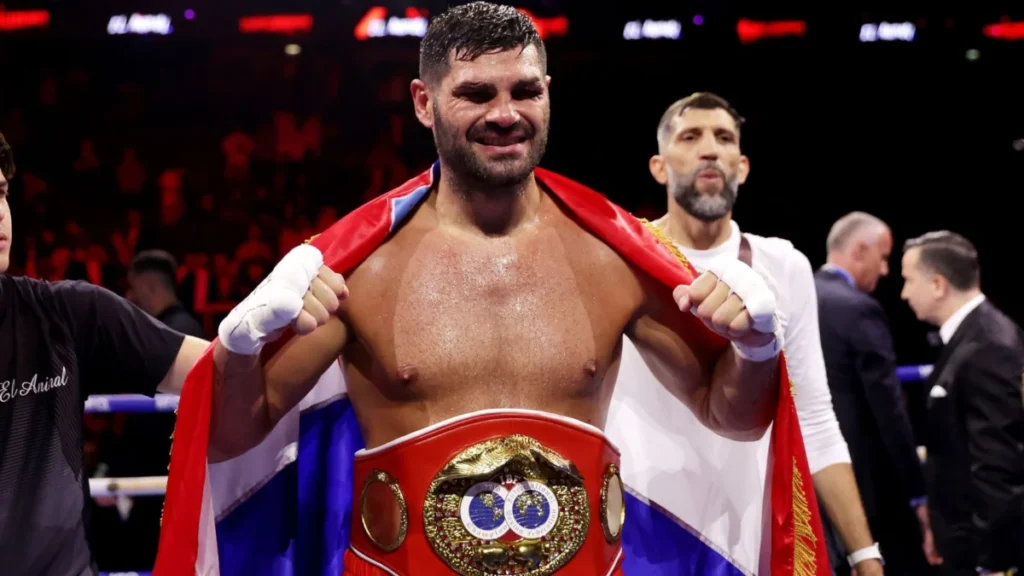
Having already stopped Anthony Joshua and Filip Hrgovic, shared the ring twice with Oleksandr Usyk, and delivered a series of extraordinary performances, Dubois has firmly established his credentials. While he may not actively chase publicity, his accomplishments place him squarely in any serious conversation regarding Britain’s leading heavyweights, even if historical comparisons to the absolute legends of the past remain premature.
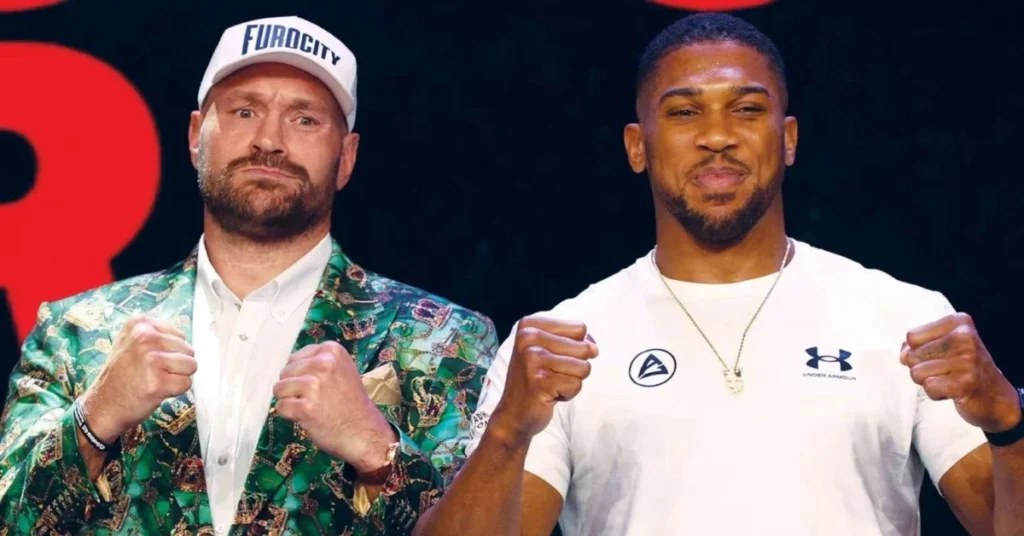
The potential matchups awaiting the winner open up fascinating possibilities for the division. Speculation naturally turns to whether the winner of a prospective bout between Tyson Fury and Anthony Joshua might face Dubois next year. In the unpredictable landscape of heavyweight boxing, nothing can be ruled out. Joshua would undoubtedly welcome another opportunity to face Dubois following their dramatic previous encounter, while Fury might fancy his chances against a younger rival whose style he understands well.
Even defeat would not spell the end for Dubois. At just 29 years of age, he has already demonstrated the resilience required to rebuild his career after setbacks and return to the summit of the sport.
A Rematch Lost in the Fury-Joshua Noise
History suggests that great rematches rarely manage to capture the elusive magic of the original encounters. The second bout between Chris Eubank and Nigel Benn was a tremendous sporting occasion, yet it failed to match the raw intensity of their first meeting. Similarly, Carl Froch and George Groves drew 80,000 spectators to their Wembley rematch, but their initial clash retained a greater level of sustained drama and tension.
Perhaps that historical tendency is why this particular rematch has somewhat slipped under the radar, overshadowed by the constant noise surrounding heavyweight rivals Tyson Fury and Anthony Joshua. Yet, in choosing to settle their differences directly in the ring, Wardley and Dubois are setting a commendable example for the rest of the division.
British heavyweight boxing is currently enjoying a golden era. After enduring a barren stretch of 20 years between 1966 and 1986 where no world heavyweight title fights took place on British soil, the country is now hosting its third world title clash of the year alone.
While the sequel may ultimately struggle to replicate the unbridled chaos and drama of their first meeting, ticket demand remains exceptionally high. As fight night arrives, there will not be a single spare seat left inside the O2 Arena.