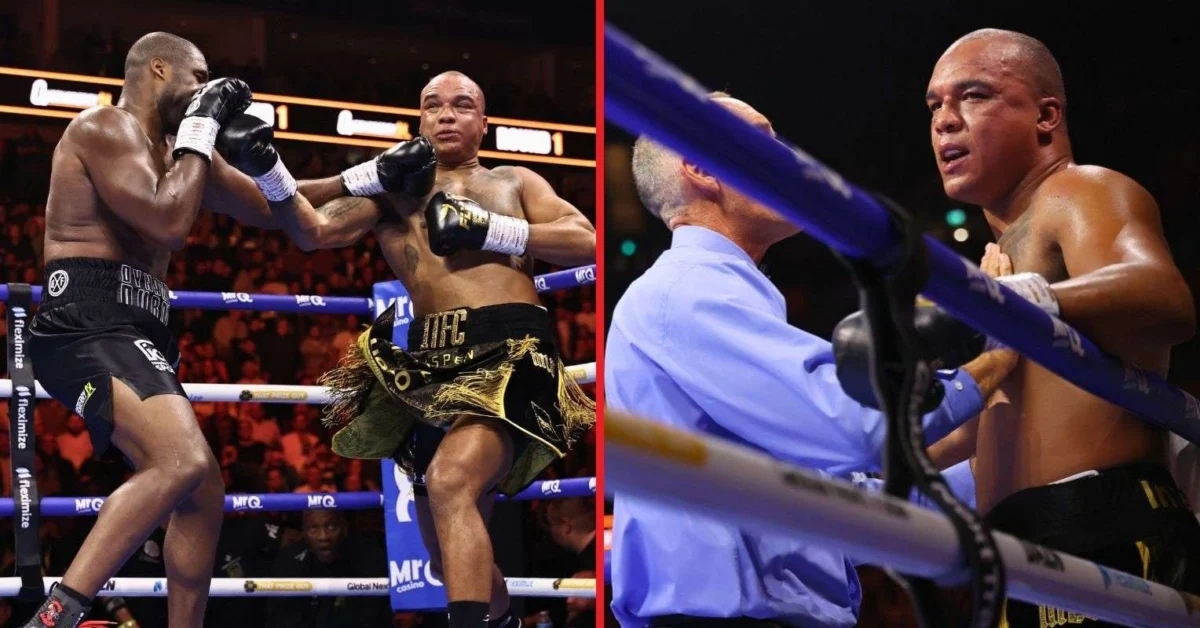
Daniel Dubois’ head coach, Don Charles, has firmly rejected Filip Hrgovic’s assertion that Fabio Wardley should consider hanging up his boxing gloves, defending the beaten contender and suggesting that a lengthy period of recovery is the most sensible path forward instead of permanent retirement.
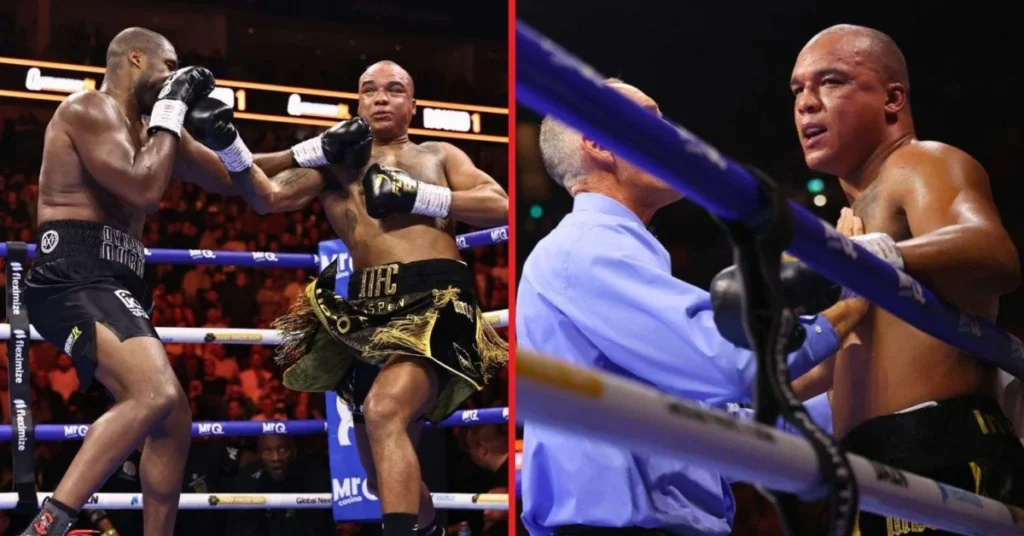
The debate surrounds the aftermath of the high-stakes heavyweight showdown that saw IBF world heavyweight champion Daniel Dubois deliver an emphatic second-round stoppage victory over Fabio Wardley last Saturday. The decisive contest brought a definitive end to their turbulent rivalry, but it also sparked immediate concern from onlookers regarding the physical toll the sport is taking on Wardley following consecutive punishing encounters.
Following the championship bout, Hrgovic publicly weighed in on the result. While the Croatian heavyweight praised the reigning champion Dubois for his dominant performance, he simultaneously urged Wardley to walk away from the sport for good, arguing that the accumulated damage from recent years has become too significant to ignore.
However, Don Charles has strongly pushed back against those remarks. Speaking in an interview with Playbook Boxing, Charles argued that Hrgovic’s retirement call was inappropriate and lacked perspective, drawing a parallel to Dubois’ own career trajectory and pointing out Hrgovic’s own struggles inside the ring.
“That’s unfair on Filip to say that. It’s almost like Oleksandr Usyk saying Daniel Dubois should retire, because Oleksandr Usyk has beaten him twice,” Charles stated. He added pointedly, “[Hrgovic] just about survived what Moses [Itauma] did to him. He should just really tone it down.”
The rivalry between Dubois and Wardley has been one of the most compelling and brutal chapters in the modern heavyweight division. Their first encounter in May provided fans with high drama and explosive shifts in momentum. During that initial meeting, Wardley appeared to be well on his way to seizing control of the narrative after scoring two early knockdowns that rocked Dubois and sent shockwaves through the arena.
Yet, heavyweight boxing is a sport where momentum can shift in the blink of an eye. As the rounds progressed, Dubois demonstrated remarkable resilience, gradually cutting down the distance, finding his range, and gathering increasing offensive momentum. His heavy artillery began to tell on Wardley, culminating in a dramatic turn of events that saw Dubois stop his opponent in the eleventh round of a truly hellacious battle.
Despite enduring the severe physical toll of such a punishing first encounter, the Ipswich-born contender did not hesitate to seek immediate redress. Demonstrating immense competitive ambition and refusing to let the chapter close on a defeat, Wardley swiftly triggered the rematch clause embedded in their contractual agreement. He secured his opportunity to exact revenge and attempt to reclaim the WBO title that meant so much to his career aspirations.
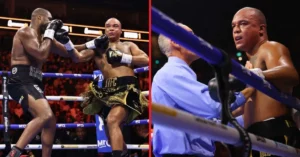
The rematch, however, unfolded in a starkly different and far more one-sided manner. Any aspirations Wardley harbored of turning the tables were swiftly dismantled within the opening moments of the bout. Inside the first twenty seconds of the second encounter, Dubois seized the initiative with devastating authority, landing a thunderous, heavy overhand right that instantly altered the complexion of the fight and set a brutal tone for the remainder of the evening.
The onslaught continued into a similarly lopsided second round, leaving Wardley on the receiving end of heavy, unanswered blows from the champion. Recognizing the escalating danger and prioritizing the long-term health and safety of his fighter, trainer Ben Davison made the decisive intervention. Davison threw in the towel to save Wardley from enduring any further unnecessary punishment, thereby officially bringing a halt to the challenger’s desperate and courageous attempt at reclaiming his championship status.
It was this rapid succession of punishing rounds and the visual severity of the stoppage that prompted Hrgovic to step forward with his controversial retirement advice. The Croatian fighter, himself a prominent fixture in the heavyweight landscape, suggested that Wardley had taken too much punishment over the course of his career and would be wise to step away from the sport permanently to preserve his well-being.
Charles, however, believes that such premature calls for retirement do a disservice to athletes who experience setbacks at the elite level. Rather than abandoning the sport entirely, Charles believes that Wardley simply needs an extended period away from the gym and the spotlight to fully heal both physically and mentally from the grueling wars he has waged.
“What Fabio needs is a long, hard rest,” Charles explained to Playbook Boxing. “Let the others smash each other up. Then he can come back again.”
Charles’ perspective is informed not only by his close association with Dubois but also by the unpredictable and punishing nature of the heavyweight division as a whole, where top contenders frequently endure grueling wars before rebuilding their paths to contention. He pointed to Hrgovic’s own difficult experiences in the ring—specifically referencing Hrgovic’s turbulent encounter against rising contender Moses Itauma—to underscore his point that fighters often face immense adversity before ultimately securing major victories.
In that notable bout, Hrgovic himself encountered enormous difficulty against the surging power of Itauma. Despite being pushed to the brink and facing severe pressure throughout the contest, Hrgovic managed to weather the storm, ultimately finding a stunning ninth-round finish to secure the IBF title. Charles noted that given the trials fighters routinely face at the championship level, offering sweeping pronouncements on a colleague’s career expiration date is both premature and unwarranted.
For Wardley, the immediate future will undoubtedly involve a mandatory period of medical suspension and rest, standard protocol for fighters who have absorbed significant punishment in high-level championship bouts. While the debate regarding his long-term boxing future will likely continue among pundits, trainers, and fans alike, his corner and supporters maintain that a measured, patient approach to recovery is the most appropriate response to the trials of the heavyweight landscape.