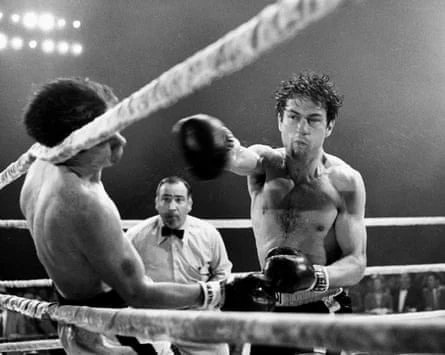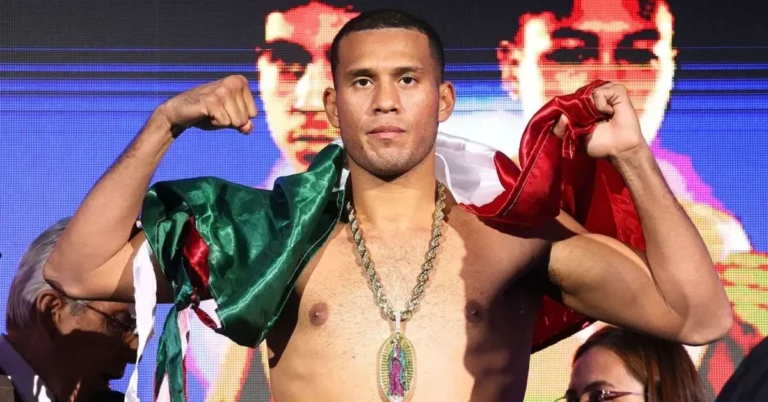


In the brutal world of professional boxing, the definition of winning is traditionally narrow: a referee raising your hand, a championship belt around your waist, and a perfect record on paper. However, the history of the sport is punctuated by extraordinary individuals who looked beyond the scorecards. These legends understood that a legacy is built not just on the opponents they defeated, but on the barriers they broke and the lives they influenced outside the squared circle.
Muhammad Ali: The Champion of Conscience
Muhammad Ali is perhaps the most prominent figure to redefine winning. While his three heavyweight titles are legendary, his greatest victory was arguably his stand against the Vietnam War. By sacrificing the prime years of his career for his religious and moral beliefs, Ali showed the world that winning means standing firm in one’s principles, even at the cost of fame and fortune. His eventual return to the ring only solidified his status as a global icon of resilience.
Ali’s influence extended far beyond sports. He became a symbol for civil rights and social justice, proving that an athlete’s voice could catalyze change on a global scale. For Ali, winning was about the liberation of the mind and the empowerment of the oppressed, making him ‘The Greatest’ in a way that statistics could never fully capture.
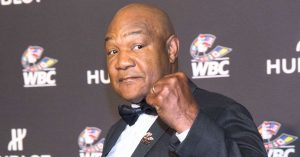
George Foreman: The Power of Reinvention
George Foreman’s career is a masterclass in the art of the second act. After a devastating loss to Ali in 1974 and a subsequent retirement, Foreman returned to the ring a decade later as a completely different man. Gone was the brooding, intimidating powerhouse; in his place was a smiling, approachable veteran who preached and sold grills. When he became the oldest heavyweight champion at age 45, he redefined winning as the ability to reinvent oneself and overcome the limitations of age.
Foreman’s journey taught fans that failure is not final. His second championship run was not fueled by anger, but by a desire to fund his youth center. By succeeding in business and sports simultaneously, he showed that a true winner is someone who can adapt to the changing seasons of life with grace and humor.
Manny Pacquiao: A Nation on His Shoulders
Jack Johnson: Breaking the Color Line
Long before the civil rights movement gained national momentum, Jack Johnson was fighting a battle for racial equality inside the ring. As the first African American heavyweight champion, Johnson faced immense hostility from a segregated society. For him, winning was an act of defiance. Every time he stepped into the ring and defeated a ‘Great White Hope,’ he was dismantling the myth of racial inferiority.
Johnson’s flamboyant lifestyle and refusal to bow to societal expectations made him a controversial figure, but his impact was undeniable. He redefined winning as the courage to exist authentically in a world that wants to suppress you. His legacy paved the way for every minority athlete who followed, proving that the ring could be a platform for social revolution.
Roberto Duran: The Heart of a People
Panama’s Roberto ‘Manos de Piedra’ Duran represented the raw, unyielding spirit of his homeland. To Duran, winning was never about finesse; it was about machismo and cultural pride. His victories in four different weight classes were celebrations for an entire nation. Even after the infamous ‘No Mas’ incident, Duran’s journey back to the top proved that winning also involves the grit to reclaim one’s dignity after a public humiliation.
Joe Louis: The Symbol of Democracy
Joe Louis carried a burden few athletes could imagine. During the height of World War II, his rematch against Max Schmeling was framed as a battle between democracy and Nazi ideology. When Louis won, he didn’t just win a boxing match; he provided a psychological victory for the United States and African Americans alike. He showed that winning can be a unifying force for a nation in its darkest hours.
Mike Tyson: The Internal Transformation
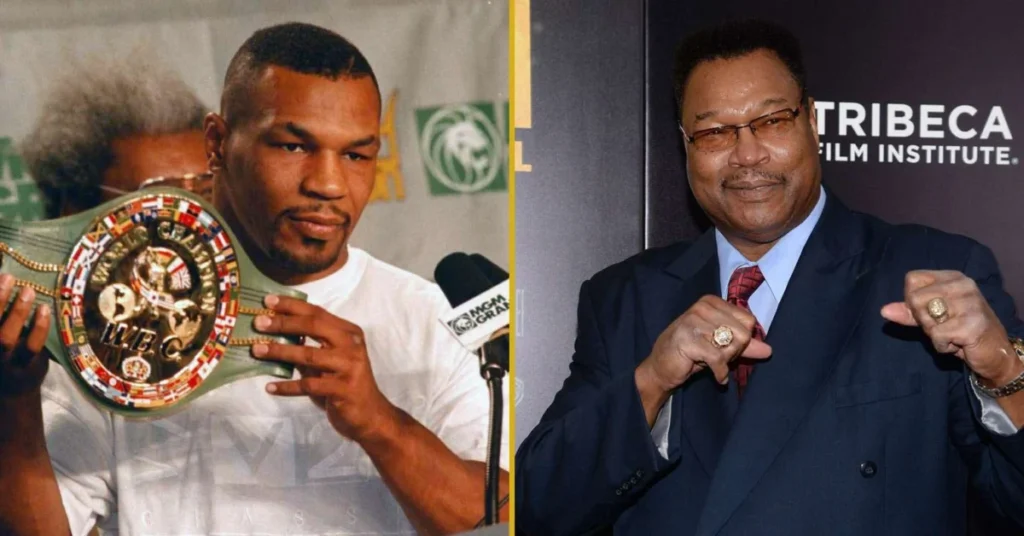
In his prime, Mike Tyson was the epitome of destructive dominance. However, his later years have offered a different perspective on victory. After facing incarceration, bankruptcy, and personal tragedy, Tyson’s transition into a philosopher of the sport and a mental health advocate shows that winning can be internal and spiritual. His journey from ‘The Baddest Man on the Planet’ to a man seeking inner peace is a powerful testament to human growth.
The Enduring Legacy of True Champions
What these fighters share is a realization that the ring is a microcosm of life. They utilized their physical talents to address larger human struggles, whether it was poverty, racism, or personal demons. By doing so, they elevated boxing from a mere sport to a profound narrative of human potential.
- Resilience: The ability to bounce back from defeat and public scrutiny.
- Purpose: Fighting for something larger than a personal paycheck.
- Integrity: Staying true to one’s identity regardless of external pressure.
- Legacy: Creating an impact that lasts long after the final bell.
Ultimately, the legends who redefined winning remind us that the most significant battles are often fought outside the spotlight. While titles may gather dust, the inspiration provided by a fighter who stood for something greater than themselves remains immortal. They taught us that to truly win, one must first conquer their own fears and then use that strength to lift others up.
As we look back at the history of the sweet science, we should measure greatness not just by the knockout ratio, but by the weight of the fighter’s contribution to the human spirit. These legends are the blueprint for what it means to be a champion in the truest sense of the word.