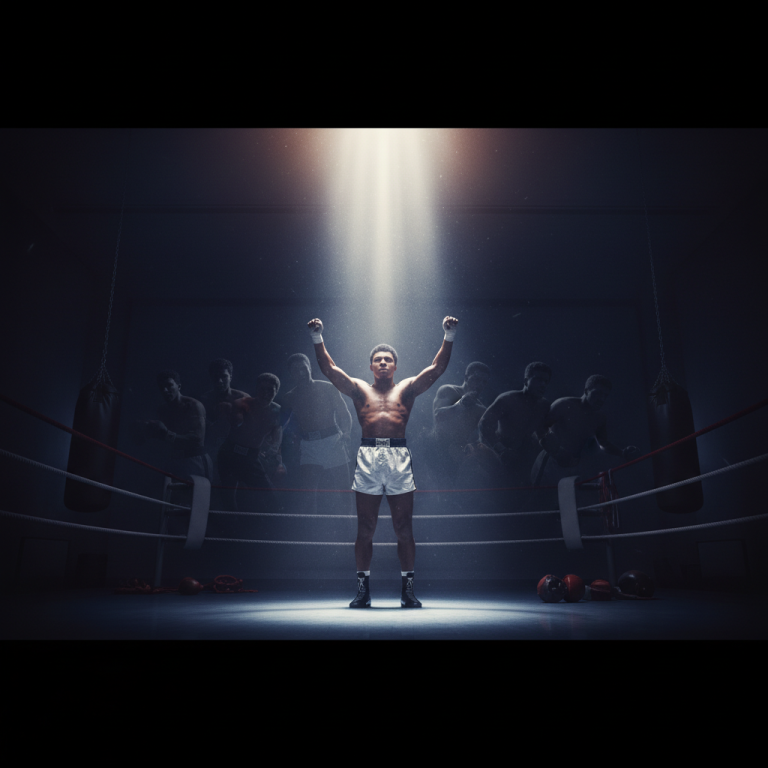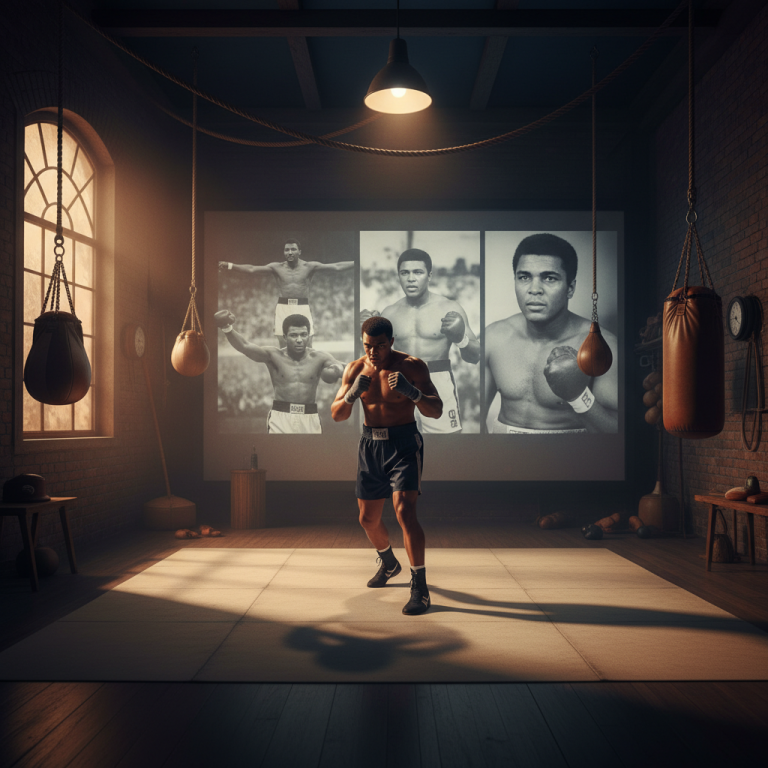

Muhammad Ali was more than just a boxer; he was a global icon whose influence transcended the boundaries of the ring. To the world, he was a poet, a rebel, and a champion. However, to truly understand the depth of his greatness, one must look through the eyes of the men who stood across from him in the squared circle. His rivals were the ones who felt the speed of his jab, the weight of his conviction, and the psychological pressure of his presence. Their testimonies provide a unique perspective on a man who changed the landscape of sports and civil rights forever.
Joe Frazier: The Ultimate Nemesis
Joe Frazier, perhaps Ali’s most famous rival, shared a complex and often painful relationship with The Greatest. Their trilogy of fights, culminating in the 1975 Thrilla in Manila, is the stuff of legend. Frazier often spoke of Ali’s incredible resilience. Despite the personal insults Ali hurled his way, Frazier acknowledged that Ali was a man of immense courage. He once remarked that in the ring, Ali was the closest thing to a god he had ever seen, noting that Ali could absorb a punch that would have killed an ordinary man and somehow keep standing.
Frazier’s perspective was colored by the bitterness of Ali’s verbal attacks, yet he never denied Ali’s skill. He respected the way Ali forced him to reach depths of endurance he didn’t know he possessed. For Frazier, Ali’s legacy was one of extreme competition and the drive to be the best at all costs. Their rivalry pushed the sport of boxing to its absolute peak, creating a standard of excellence that has never been matched. In his later years, Frazier expressed a grudging but deep-seated respect for the man who had been his mirror image in greatness.
George Foreman: From Enemy to Brother
George Foreman’s encounter with Ali in the 1974 Rumble in the Jungle is one of the most significant upsets in sporting history. Before the fight, Foreman was seen as an invincible force, a destroyer who had demolished Frazier and Ken Norton. Foreman recalls that Ali’s greatest weapon wasn’t his punch, but his mind. Ali’s ability to use the rope-a-dope strategy and talk to Foreman during the heat of battle completely dismantled the champion’s confidence.
Years after the fight, Foreman’s view of Ali shifted from one of defeat to one of profound admiration. Foreman often says that Ali was the greatest man he ever knew, not just the greatest boxer. He points to Ali’s humanitarian work and his refusal to be broken by Parkinson’s disease as evidence of a spirit that was far more powerful than any physical attribute. For Foreman, Ali’s legacy is defined by his ability to love his enemies and turn them into brothers, a transition that Foreman himself experienced firsthand.
Larry Holmes: The Bittersweet Victory
Larry Holmes occupied a unique position as Ali’s former sparring partner who eventually became the man to defeat an aging Ali in 1980. For Holmes, the victory was hollow. He describes Ali as his mentor and teacher, the man who showed him how to carry himself as a heavyweight champion. Holmes often speaks with tears in his eyes about that fight, noting that he didn’t want to hurt Ali, but Ali’s pride wouldn’t allow him to quit.
Through Holmes’ eyes, Ali’s legacy is one of mentorship and the passing of the torch. Holmes credits Ali for the financial and social opportunities available to black athletes in the subsequent decades. He views Ali as a pioneer who broke down doors that had been locked for generations. To Holmes, Ali was a visionary who understood the power of his platform long before the term athlete-activist was ever coined.
Ken Norton: The Stylistic Nightmare
Ken Norton, the man who famously broke Ali’s jaw in their first encounter, saw Ali as a master of adaptation. Norton’s awkward style always gave Ali trouble, but Norton was always impressed by how Ali would return for a rematch with a completely new strategy. Norton believed that Ali’s legacy was built on his refusal to accept defeat. Even when his body was failing him, Ali’s tactical brilliance allowed him to stay competitive with younger, stronger opponents.
Sonny Liston and the Changing of the Guard
Even those who were defeated by a young Ali, like Sonny Liston, contributed to the narrative of his legacy. Liston represented the old guard of boxing—silent, intimidating, and tied to the underworld. Ali’s victory over Liston was the birth of a new era where athletes were vocal, political, and independent. Rivals from that era remember Ali as a whirlwind that changed the rules of engagement, proving that a boxer could be both a warrior and an intellectual.
The Technical Mastery and Psychological Warfare
When discussing Ali’s legacy, rivals often highlight specific technical aspects that set him apart. These include:
- Unmatched Footwork: The ability to dance for fifteen rounds without tiring.
- Psychological Dominance: Using pre-fight hype and mid-fight taunts to break an opponent’s focus.
- The Jab: A lightning-fast weapon that served as both a defensive and offensive tool.
- Durability: An underrated ability to take heavy blows and recover instantly.
Earnie Shavers, widely considered the hardest puncher in boxing history, once said that Ali was the smartest fighter he ever faced. Shavers hit Ali with shots that would have leveled a building, but Ali’s ability to roll with the punches and stay calm under pressure was what secured his victory. For Shavers, Ali’s legacy is his intelligence and his heart, which were always his most formidable attributes.
The Social Impact Through a Rival’s Lens
Floyd Patterson, a man of different political leanings who fought Ali twice, eventually saw Ali as a necessary force for social change. While they disagreed on many things during the 1960s, Patterson later acknowledged that Ali’s stand against the Vietnam War and his fight for religious freedom were acts of supreme bravery. Through Patterson’s eyes, we see Ali as a man who was willing to sacrifice his career for his principles, a legacy that resonates far beyond the sport of boxing.
Conclusion: A Collective Recognition of Greatness
The consensus among Muhammad Ali’s rivals is clear: he was a once-in-a-lifetime phenomenon. While they fought him with everything they had, they also recognized that they were part of something larger than themselves. Ali didn’t just beat his rivals; he elevated them. By fighting Ali, men like Frazier and Foreman became part of a historical narrative that will be studied for centuries. His legacy, as seen through the eyes of those who knew his power most intimately, is one of indomitable spirit, transformative leadership, and an unparalleled capacity for human connection.
Ultimately, the rivals of Muhammad Ali serve as the most credible witnesses to his myth. They don’t just remember the losses or the wins; they remember the man who forced them to be greater than they ever thought possible. Ali’s legacy is not just found in the record books, but in the hearts and minds of the warriors who shared the ring with him, confirming that he truly was, and remains, The Greatest of All Time.