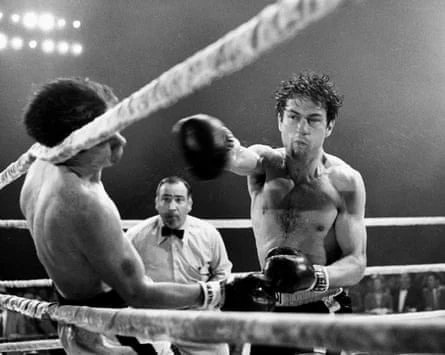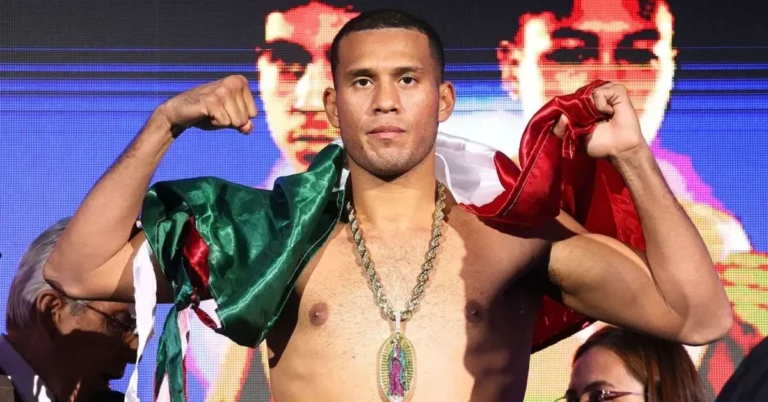



Mike Tyson remains one of the most polarizing and fascinating figures in the history of professional sports. His career serves as a vivid case study on the intersection of raw potential and the necessity of emotional and structural control. From his meteoric rise as the youngest heavyweight champion to his turbulent personal and professional decline, Tyson’s journey offers profound lessons for anyone seeking to master their craft while navigating the complexities of success.
The Genesis of Potential Under Cus D’Amato
The early years of Mike Tyson’s career were defined by a unique synergy between a troubled youth and a legendary mentor. Cus D’Amato did more than just teach Tyson how to punch; he provided a rigid framework of discipline that harnessed Tyson’s immense physical potential. Under D’Amato’s tutelage, Tyson was a student of the game, blending the Peek-a-Boo style with an analytical mind that understood the psychological mechanics of fear.
During this period, Tyson’s potential was not just a promise but a disciplined reality. He was a machine built for efficiency, demonstrating that even the most volatile energy can be channeled into greatness when guided by a strong external locus of control. This era proved that talent, when met with a structured environment, can achieve results that seem almost superhuman.
The Fragility of Success Without Guidance
The death of Cus D’Amato marked a pivotal shift in Tyson’s career trajectory. Without his primary anchor, the control mechanisms that held Tyson’s explosive personality in check began to erode. This transition highlights a critical lesson: potential is fragile. When the external structures of discipline are removed, the internal discipline must be strong enough to compensate, or the individual risks falling into chaos.
As Tyson moved into the late 1980s, the influence of figures like Don King and the distractions of sudden, immense wealth began to take center stage. The focus shifted from the mastery of the craft to the consumption of the rewards. This period illustrates how easily high-potential individuals can lose their way when they prioritize the fruits of their labor over the labor itself.
The Buster Douglas Upset: A Failure of Preparation
The loss to Buster Douglas in 1990 is often cited as one of the greatest upsets in sports history. However, from a perspective of control and potential, it was an inevitable consequence of eroding standards. Tyson entered the ring under-prepared, over-confident, and lacking the tactical discipline that had defined his early reign. It served as a stark reminder that potential does not guarantee victory; only the consistent application of control does.
- Lack of rigorous training camps.
- Emotional instability leading up to the fight.
- The absence of a cohesive corner team.
- Over-reliance on natural power rather than technical execution.
The Downward Spiral and the Loss of Self-Mastery
The subsequent years of Tyson’s life were marked by legal battles, incarceration, and a public image that shifted from ‘The Baddest Man on the Planet’ to a tragic figure of uncontrolled impulses. His time in prison was a forced hiatus that reflected a complete breakdown of personal and social control. It showed that no amount of talent can shield an individual from the consequences of their actions when they lose their moral and social compass.
When Tyson returned to the ring, the physical potential was still evident, but the psychological control was gone. The infamous ear-biting incident during the Holyfield rematch in 1997 remains the ultimate symbol of a man who had lost the ability to control his reactions under pressure. It was a moment where frustration overrode professional conduct, leading to a permanent stain on his athletic legacy.
Financial Ruin as a Metric of Control
Tyson’s financial journey is as instructional as his boxing career. Despite earning hundreds of millions of dollars, he eventually declared bankruptcy. This highlights that control extends beyond the arena; it involves the management of resources and the ability to say no to parasitic influences. Potential in earning power is useless if there is no control in financial stewardship.
The Philosophy of the Modern Tyson
In his later years, Mike Tyson has undergone a remarkable transformation into a reflective, almost philosophical figure. Through his podcasts and public appearances, he speaks candidly about his past failures. This ‘New Tyson’ represents the reclamation of control through self-awareness and accountability. He has learned to master the ‘monster’ within, proving that it is never too late to implement control over one’s life.
His current perspective provides a roadmap for redemption. He emphasizes that true power is not the ability to destroy others, but the ability to govern oneself. This evolution has allowed him to find a different kind of success—one based on peace and influence rather than fear and intimidation.
Key Takeaways for High Achievers
For those looking to apply Tyson’s lessons to their own lives, several key principles emerge. First, mentorship is vital; find a ‘Cus’ who will challenge you and provide structure. Second, discipline must eventually become internal; you cannot rely on external pressure forever. Third, recognize that your greatest strengths can become your greatest weaknesses if left unchecked.
- Structure is Freedom: Discipline provides the boundaries within which creativity and talent can thrive.
- Emotional Intelligence: Mastering your reactions is as important as mastering your skills.
- Accountability: Surrounding yourself with people who tell you the truth is essential for long-term stability.
Conclusion: The Legacy of a Controlled Fire
Mike Tyson’s career is a powerful narrative of a fire that burned too bright and too fast because it lacked the proper containment. When the fire was controlled, it provided warmth and light to the sports world. When the control was lost, it consumed everything in its path. Ultimately, Tyson’s life teaches us that potential is merely the fuel, but control is the engine that determines how far we will go and whether we will arrive in one piece.
Today, Tyson stands as a testament to the fact that while we may lose control of our potential for a time, the journey toward self-mastery is a lifelong endeavor that offers the ultimate reward: a sense of peace and a legacy that transcends the mistakes of the past.