


The Duality of the Squared Circle
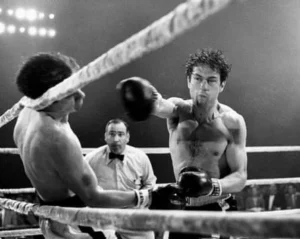
Boxing is often misunderstood as a mere display of brute force, yet it remains one of the most intellectually demanding sports in existence. The true legends of the ring do not simply rely on violence; they master the delicate equilibrium between raw aggression and surgical precision. This duality, often referred to as the Sweet Science, requires a fighter to remain calm in the midst of chaos, turning a physical confrontation into a high-stakes game of human chess.
The Philosophy of the Sweet Science
At its core, the sweet science is about the ability to hit and not be hit. Legends like Sugar Ray Robinson and Willie Pep exemplified this by using movement and timing to neutralize opponents. They understood that while violence is the medium, skill is the tool that determines the outcome. By focusing on defensive mastery, these fighters proved that technical proficiency could overcome even the most devastating power punchers.
Controlled Aggression: The Mike Tyson Paradox
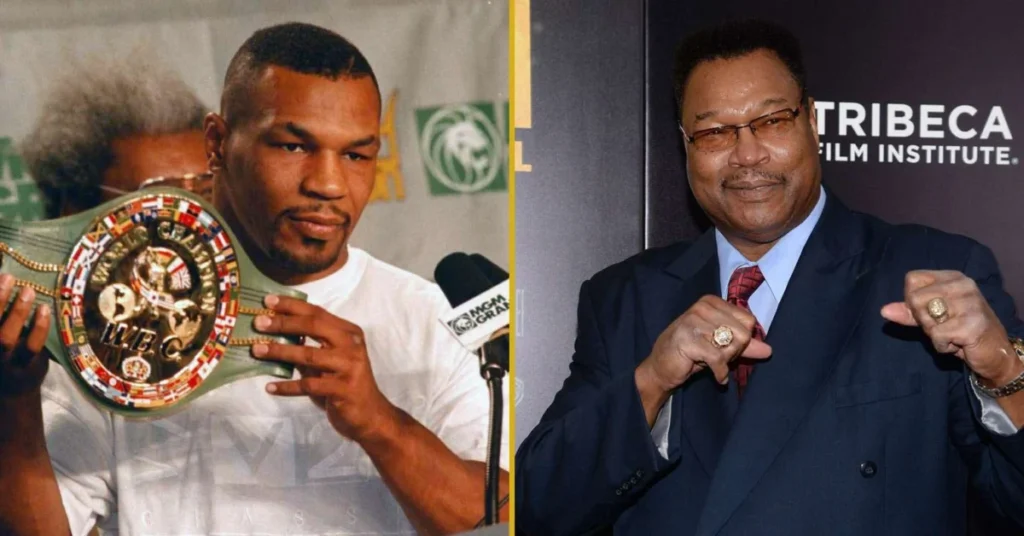
When people think of violence in boxing, Mike Tyson often comes to mind. However, his early success was not just due to strength, but a highly technical peak-a-boo style taught by Cus D’Amato. Tyson balanced his explosive violence with head movement and tight footwork, showing that even the most aggressive styles require a foundation of disciplined skill to be effective at the highest levels.
The Role of Footwork in Technical Mastery
Footwork is the bridge that connects defensive safety with offensive opportunity. Fighters like Muhammad Ali revolutionized the heavyweight division by using their legs to dictate the pace of the fight. By maintaining the correct distance, Ali could launch lightning-fast jabs while staying out of range of counter-attacks, effectively using his mobility to control the inherent violence of the match.
Mental Fortitude and Emotional Control
One of the hardest things for a boxer to achieve is emotional regulation. In a sport where you are being physically attacked, the natural instinct is to react with anger. However, legends know that anger leads to mistakes. Balancing violence requires a cold, calculated mindset where every punch thrown has a specific purpose, rather than being a desperate response to pressure.
The Art of the Counter-Punch
Counter-punching is perhaps the ultimate expression of skill over violence. It requires an athlete to wait for the opponent to initiate an attack, find the opening, and exploit it with precision. Floyd Mayweather Jr. is a modern example of this, using his shoulder roll and impeccable timing to turn an opponent’s aggression against them, making the fight look effortless.
Training for Precision
The balance is struck long before the bell rings. In the gym, fighters spend thousands of hours on repetitive drills. These routines are designed to turn conscious movements into subconscious reflexes.
- Heavy bag work for power.
- Speed bag for timing.
- Shadow boxing for visualization.
- Sparring to test technical application under pressure.
This rigorous preparation ensures that when the violence of a real fight occurs, the skill remains the dominant force.
The Strategic Patience of Joe Louis
Joe Louis, known as the Brown Bomber, was a master of efficiency. He rarely wasted a punch, demonstrating that violence is most effective when it is conserved and deployed at the perfect moment. His ability to remain patient while stalking his prey showed a deep understanding of tactical pacing, a trait shared by many of the greatest champions in history.
Understanding the Anatomy of a Punch
A punch is not just a swing of the arm; it is a kinetic chain that starts from the ground. Legends understand the mechanics of weight transfer and rotation. By applying technical knowledge to their physical output, they can generate devastating power without sacrificing balance. This technical approach to violence ensures that they remain stable and ready for the next move.
The Influence of Trainers
Behind every legendary fighter is a strategist in the corner. Trainers like Angelo Dundee or Eddie Futch played crucial roles in helping fighters find their balance. They provided the tactical blueprints that allowed their pupils to navigate dangerous situations, emphasizing that the brain is the most important weapon in a boxer’s arsenal.
Adapting to Different Styles
The ability to adapt is what separates a good fighter from a legend. Whether facing a brawler, a technician, or a speedster, a champion must adjust their level of aggression. Balancing violence means knowing when to step on the gas and when to use the jab to keep an opponent at bay, demonstrating a high level of situational awareness.
The Physical Toll of the Sport
Despite the skill involved, boxing remains a brutal sport. Legends recognize the risks and use their technical abilities to minimize damage. Defensive skills such as parrying, slipping, and rolling are essential for longevity. The better the skill, the less violence a fighter has to absorb, allowing them to compete at a high level for many years.
Legacy and the Evolution of Technique
As the sport has evolved, so has the definition of balance. Modern sports science has introduced new ways to optimize performance, but the fundamental principles remain the same. Today’s champions look back at the footage of the greats to understand how to blend traditional techniques with modern conditioning, ensuring the legacy of the sweet science continues.
The Psychological Warfare
Violence in boxing is often preceded by psychological pressure. Fighters like Roberto Duran used their intimidating presence to break an opponent’s will before the first punch was even landed. However, this intimidation was backed by world-class infighting skills, proving that the mental aspect is just as important as the physical in maintaining the balance.
Conclusion: The Harmonious Conflict
In conclusion, the greatest boxing legends are those who have mastered the harmonious conflict between violence and skill. They prove that while the ring is a place of physical combat, it is also a stage for incredible artistry and discipline. By honoring both the power and the technique, these athletes have etched their names into history as true masters of the squared circle.