

Netflix’s ambitious push into live boxing faces a period of deep uncertainty following a major executive overhaul at the streaming giant. With a new chief content officer stepping in amid broader corporate restructuring, questions are being raised about the long-term viability of the platform’s high-stakes combat sports programming. The leadership transition arrives at a fascinating crossroads for the company, where its most lucrative and widely viewed boxing event to date came not from traditional elite champions, but from a polarizing social media star sharing the ring with a 58-year-old heavyweight legend.
The streaming giant confirmed that Chief Content Officer Bela Bajaria is departing her role after nearly a decade of service. Taking over the high-powered position is former Disney and Fox executive Peter Rice, whose official start date is set for October 26. Rice will assume direct oversight of Netflix’s sprawling global content operation, which increasingly relies on live events, sports entertainment, and massive cultural spectacles. However, he inherits this portfolio during a turbulent corporate climate marked by slowing user engagement growth and a wider restructuring effort that has reportedly eliminated roughly 1,000 jobs across various departments.
This leadership change could have profound consequences for the platform’s boxing ventures. Over the past couple of years, live boxing has carved out a significant slice of Netflix’s expanding live sports and entertainment calendar. Yet, despite the massive marketing budgets and global reach, these events have often struggled to win over the sport’s traditional, purist audience. As Rice begins his tenure and evaluates the financial metrics and viewership trends behind these expensive live broadcasts, he may quickly discover a stark reality: boxing’s biggest financial and cultural attractions on the platform are not necessarily rooted in competitive, elite-level boxing itself.
Netflix Boxing Viewing Figures
Since officially entering the boxing promotion space in November 2024, Netflix has broadcast five major fight cards, attempting to capture both casual viewers and diehard fans. While the platform has successfully commanded global attention, the engagement and geographical reach of these broadcasts have varied significantly across the slate.
Of all the cards produced by the platform thus far, the undisputed winner in terms of raw viewership was a crossover spectacle pitting a digital creator against an aging icon. The blockbuster event featuring Jake Paul and Mike Tyson attracted an extraordinary 125 million global viewers. To put that staggering figure into proper perspective, it generated roughly three times the audience of Canelo vs. Crawford, a genuine, high-level superfight contested between two of the most accomplished and feared names in traditional boxing.
While Canelo vs. Crawford was an undeniable commercial and sporting success by normal boxing industry standards, it could not come anywhere close to matching the mainstream curiosity and casual appeal generated by Paul and Tyson. That massive discrepancy raises a serious, fundamental question for the incoming leadership team: what specific kind of boxing does Netflix’s massive, mainstream global audience actually want to watch?
Despite the record-breaking numbers, several of the matchups brought to the platform have offered viewers more novelty and curiosity than genuine, competitive sporting integrity. The bout between Paul and Tyson was widely criticized on paper as a mismatch from a competitive standpoint. Similarly, subsequent high-profile crossover events relied heavily on the sheer spectacle of a YouTuber stepping through the ropes to face established combat sports stars, driving massive initial interest purely through the novelty of the matchups.
However, when promoters attempted to pivot toward more traditional sporting prestige—such as pitting a former heavyweight champion directly against the YouTuber instead of a universally recognized global cultural icon—the viewership plummeted, bringing in less than a third of the audience generated by the Tyson spectacle. This diminishing return highlights the delicate tightrope Netflix must walk between pleasing hardcore boxing purists and satisfying a broader audience driven primarily by celebrity culture and viral hype.
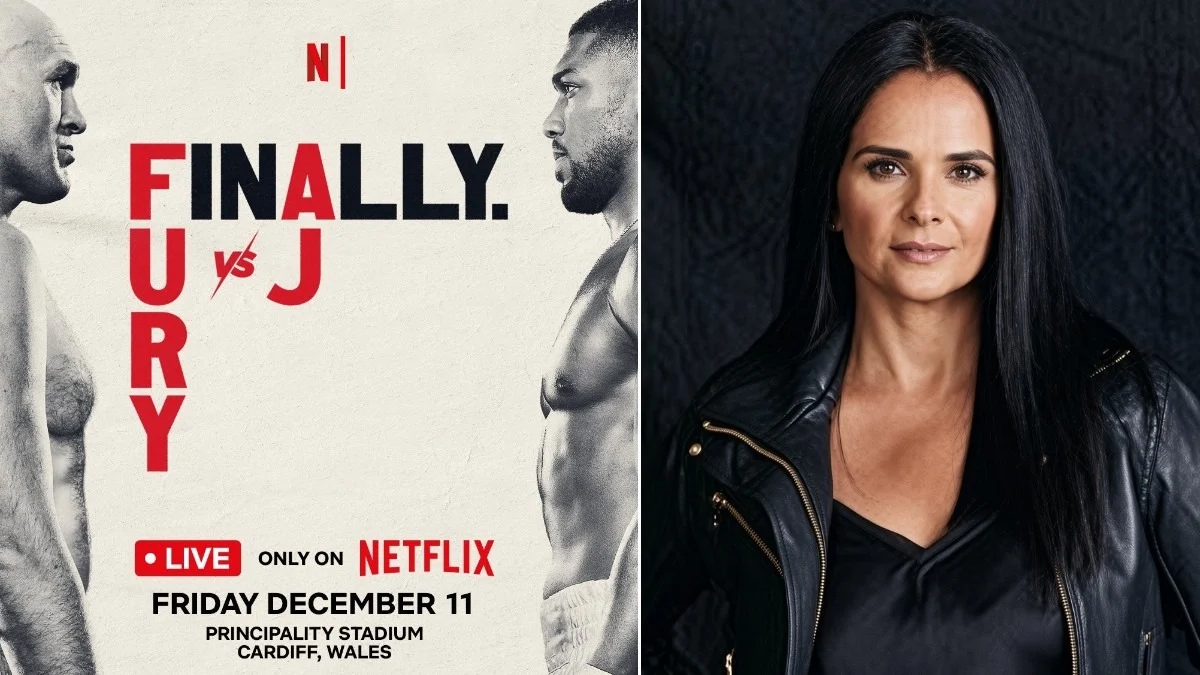
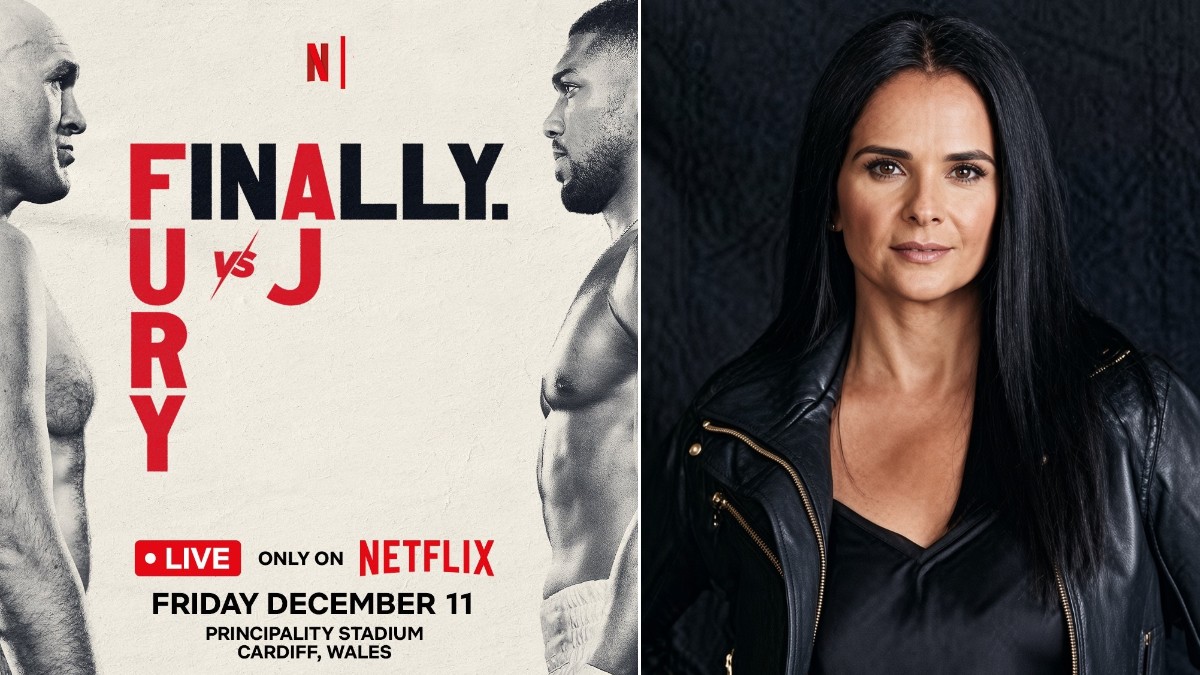
Even upcoming legacy matchups are facing complex reception dynamics. The long-awaited domestic heavyweight showdown between Tyson Fury and Anthony Joshua, scheduled for December 11 in Cardiff, has received a surprisingly lukewarm response from notable sections of the traditional UK boxing fanbase. Although this historic British clash is finally coming to fruition after years of false starts and promotional hurdles, a prevailing sentiment among diehard followers is that the fight has arrived far too late in both fighters’ careers, long past the peak anticipation that defined their rivalry years ago. Furthermore, the unusually friendly and respectful buildup has failed to generate the genuine hostility and fierce anticipation that once surrounded the contest, proving that commercial interest does not always translate into authentic excitement among the sport’s most dedicated base.
Netflix Boxing Cancelations
Adding to the strategic complications are several high-profile cancelations and abandoned plans that have disrupted Netflix’s overarching combat sports calendar, particularly involving matchups with enormous crossover potential.
Plans for a lucrative showdown between Jake Paul and Gervonta Davis ultimately fell through in 2025, stripping the platform’s schedule of another major tentpole attraction. Furthermore, a proposed blockbuster rematch between veteran legends Floyd Mayweather and Manny Pacquiao II was officially announced for September 2026, only to be postponed indefinitely amid a messy legal dispute reported by World Boxing News.
Both of these aborted attractions possessed the instantly recognizable names and powerful curiosity factors needed to potentially rival or even outperform upcoming legacy fights in terms of global viewership. The Mayweather-Pacquiao rematch, in particular, would have given Netflix another golden opportunity to capitalize on massive sporting nostalgia. For an executive team attempting to optimize engagement and reassess discretionary spending during a period of corporate belt-tightening, the unpredictability surrounding major live combat sports events could quickly become an administrative and financial headache that the new content chief does not need.
Peter Rice Faces Big Decisions
The broader operational environment at Netflix makes the timing of this executive transition particularly fascinating. Recent performance metrics indicated that user engagement increased by a modest two percent during the first half of 2026, as the company navigates intensifying competition from YouTube, social media platforms, and rival streaming services all fighting for consumer attention.
The platform’s wider live sports strategy could also face rigorous internal scrutiny if Rice and his executive team determine that expensive sporting content investments, such as high-profile professional wrestling partnerships, need to deliver stronger, more reliable returns on investment.
While there has been no official announcement regarding cuts to Netflix’s dedicated boxing programming, corporate leadership changes often bring entirely different perspectives. It only takes a fresh set of eyes looking closely at the production costs versus engagement metrics to decide that the unpredictable economics of live boxing do not align with the company’s long-term strategic goals.
The reality that a YouTuber fighting an aging Mike Tyson remains the undisputed benchmark for Netflix boxing success should give industry executives plenty to contemplate moving forward. If marquee matchups like Fury versus Joshua fail to capture even a fraction of those historic streaming figures, the newly installed content chief may be forced to make difficult decisions regarding the platform’s future in the sweet science.
Netflix has definitively proven its unique capability to attract tens of millions of viewers to a major live boxing broadcast. Whether the streaming titan can successfully sustain that audience’s interest in the sport of boxing itself, independent of viral hype and celebrity spectacle, remains an entirely different matter.