

In the world of professional boxing, longevity is often the yardstick for greatness. However, there is a special class of fighters whose peak was fleeting yet so intense that it redefined the sport forever. These boxing legends whose prime was short but eternal left an indelible mark on history, proving that impact isn’t always measured in decades but in the sheer magnitude of their dominance during their brief zenith.
The Explosive Era of Iron Mike Tyson
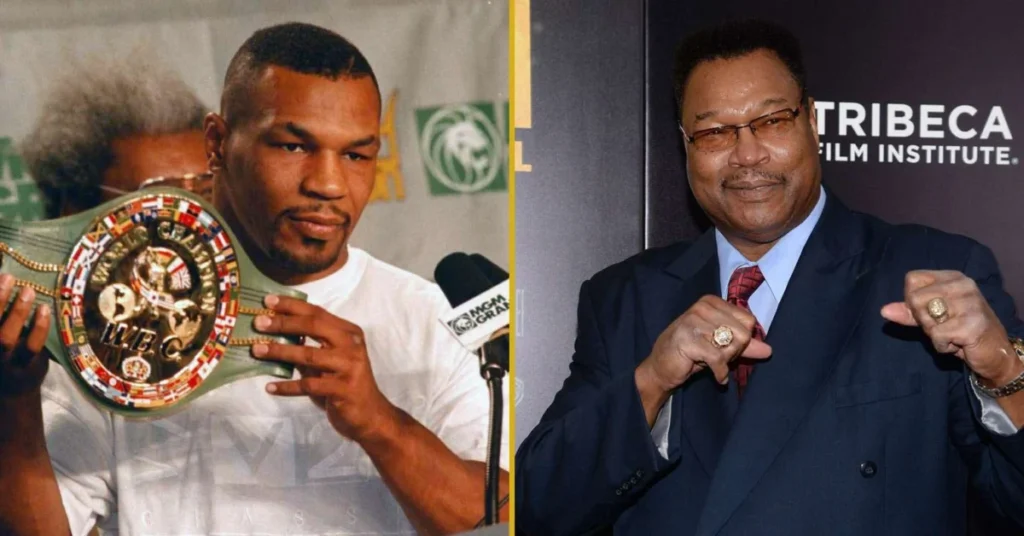
Mike Tyson is perhaps the most iconic example of a short but explosive prime. From 1986 to 1989, Tyson was an unstoppable force of nature, combining terrifying speed with bone-crushing power. During this window, he became the youngest heavyweight champion in history and unified the division with a ferocity that the world had never seen before and has rarely seen since.
After the loss to James Buster Douglas in 1990 and subsequent legal issues, Tyson was never quite the same. While he remained a massive draw and even regained titles, the Iron Mike who dismantled Michael Spinks in 91 seconds was a version of the fighter that existed for only a few short years, yet that version remains the gold standard for heavyweight intimidation.
The Tragic Brilliance of Salvador Sanchez
Salvador Sanchez is often cited as the greatest what if in boxing history. The Mexican featherweight champion was a master technician with incredible stamina. Between 1980 and 1982, he defeated legends like Wilfredo Gomez and Azumah Nelson, looking invincible at just 23 years old.
His life and career were tragically cut short by a car accident in 1982. Despite his professional peak lasting only about three years at the world level, Sanchez is universally ranked among the greatest featherweights of all time. His short prime was so flawless that his legend has only grown over the decades, proving that quality can indeed surpass quantity.
The Prince Who Ruled the Featherweights
Prince Naseem Hamed brought a level of showmanship and punching power to the lower weight classes that changed the economics of the sport. His prime, roughly from 1995 to 2000, saw him capture multiple titles while displaying a unique, unorthodox style that relied on freakish reflexes and one-punch knockout power.
Once his reflexes slowed and he suffered his first defeat to Marco Antonio Barrera, Hamed effectively walked away from the sport. Although his time at the top was relatively brief compared to peers like Bernard Hopkins, the cultural impact of his short but eternal prime continues to influence modern fighters and entertainers.
The High Price of Greatness: Meldrick Taylor
Meldrick Taylor possessed some of the fastest hands in the history of the junior welterweight division. His peak culminated in the legendary 1990 bout against Julio Cesar Chavez. For 11 rounds, Taylor put on a masterclass of speed and skill that seemed to herald a new era of dominance in the sport.
The physical toll of that single fight, ending in a controversial stoppage with only two seconds left, effectively ended Taylor’s prime. He was never the same fighter again, losing his speed and durability. Yet, those few years of brilliance remain a testament to the high price of boxing glory and the fragility of a fighter’s peak.
The Youngest Champion: Wilfred Benitez
Wilfred Benitez was a prodigy, becoming the youngest world champion in history at age 17. His defensive wizardry earned him the nickname The Bible of Boxing. His prime was a dazzling display of El Radar slipping punches with millimetric precision against the likes of Roberto Duran and Carlos Palomino.
By his early 20s, the lifestyle and lack of training began to erode his skills. By the time he was 25, his best days were behind him. Despite the brevity of his peak, his defensive genius is still studied by purists as the pinnacle of the sweet science, ensuring his name remains in the history books forever.
The Heavyweight Supernova: Riddick Bowe
Riddick Big Daddy Bowe had all the tools to be one of the greatest heavyweights ever. His trilogy with Evander Holyfield in the early 90s showcased a rare combination of size, inside fighting ability, and a stiff jab. For a period of about three years, Bowe looked like he could beat any heavyweight in history.
Issues with weight and discipline quickly shortened his stay at the top. By the mid-90s, his prime had evaporated. However, the Bowe that showed up for the first Holyfield fight is remembered as one of the most complete heavyweight performances in the modern era, a brief glimpse of absolute greatness.
The Unrealized Potential of Ike Ibeabuchi
Ike The President Ibeabuchi is a darker chapter of boxing history. In the late 90s, he defeated top contenders David Tua and Chris Byrd, looking like the heir apparent to the heavyweight throne. His power and chin were legendary, but mental health issues and legal troubles ended his career prematurely.
The stories of these boxing legends remind us that greatness is not always a marathon. Sometimes, it is a supernova—a blinding flash of brilliance that changes the landscape before fading away. These fighters whose prime was short but eternal remain immortalized because, at their best, they reached a level of perfection that few others could ever hope to touch.
Summary of Characteristics
- Intense Dominance: These fighters didn’t just win; they overwhelmed their opposition.
- Unique Styles: Many relied on physical attributes like speed and reflexes that are the first to decline.
- Cultural Impact: Their influence on the sport often outlasts their active years in the ring.
- Tragic Ends: Whether through injury, lifestyle, or tragedy, their peaks were cut short unexpectedly.