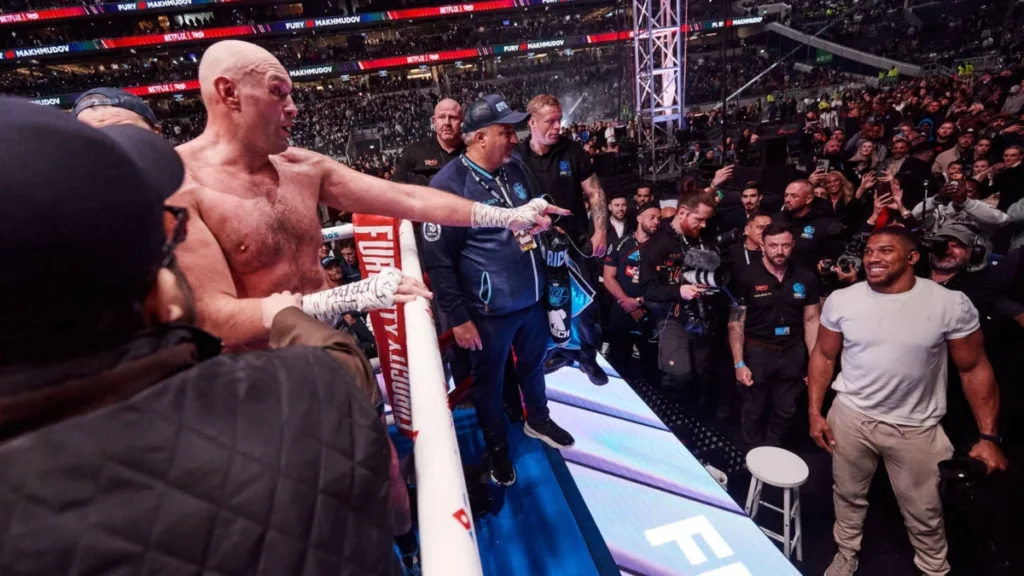


The pair of former world champions finally meet after a decade of back and forth
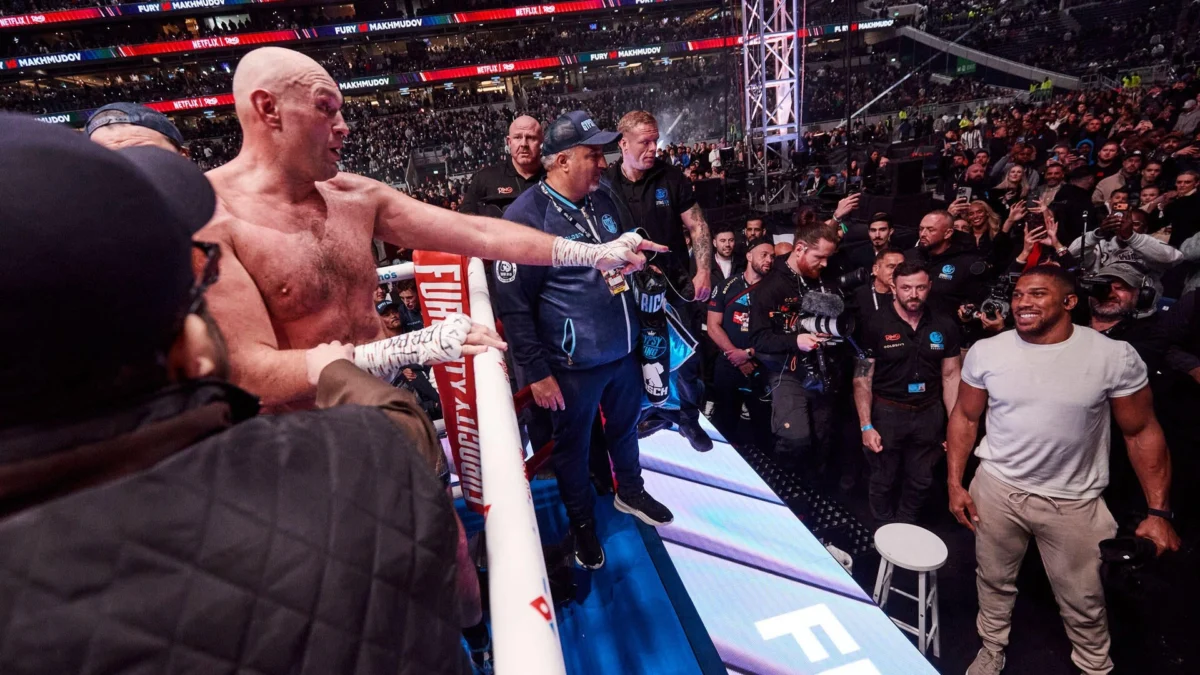
The longest-running and most exhausting will-they-or-won’t-they saga in contemporary boxing has at last yielded a definitive destination. Anthony Joshua and Tyson Fury, the two defining figures of modern British heavyweight boxing, will step into the ring together on Dec. 11 at the Principality Stadium in Cardiff, Wales. The historic contest is scheduled to be broadcast globally via Netflix, delivering one of the sport’s most anticipated matchups directly to a worldwide streaming audience.
For roughly a decade, an all-British showdown between Joshua and Fury represented the absolute pinnacle of domestic prize fighting, dangling continuously in front of fight fans through shifting title reigns, fractured negotiations, and endless public animosity. While the clash arrives after both men have relinquished their grips on the heavyweight summit, the bout remains an undeniable sporting spectacle. The confirmation brings a sense of closure to an era defined by their parallel careers, ensuring that the two former champions will settle their longstanding personal and athletic rivalry inside the ropes rather than leaving it to lingering historical conjecture.
A Long and Winding Road Across Stadiums and Continents
The path to securing Dec. 11 in Cardiff was forged through years of false starts, dead ends, and recurring venue speculation. Across the last several years, prospective plans to bring the two heavyweights together regularly centered around the largest open-air venues in the United Kingdom. London’s Wembley Stadium, which had hosted some of the grandest nights of Joshua’s championship tenure, was repeatedly viewed as the most fitting stage for a bout of such domestic magnitude. Tottenham Hotspur Stadium, another premier venue in north London accustomed to staging major stadium boxing cards, also served as a focal point during various phases of exploratory discussions.
As the financial landscape of high-profile combat sports shifted, the scope of potential host locations widened. Serious consideration eventually drifted overseas, turning across the Atlantic to Madison Square Garden in New York City. The storied Manhattan arena has traditionally served as the spiritual home of marquee heavyweight boxing, offering international prestige and cross-continental appeal.
Ultimately, organizers settled on keeping the landmark encounter on British soil, selecting the Principality Stadium in the Welsh capital. The choice of Cardiff offers a practical compromise between the massive capacities demanded by premier British boxing and the realities of winter weather. Equipped with a fully retractable roof, the venue ensures that a December date can proceed without the climate liabilities inherent to outdoor summer football grounds in London. By anchoring the bout within the United Kingdom, the event honors the deep domestic roots of a rivalry that has fueled local sporting debate for ten full years, while the international reach of Netflix provides the expansive digital distribution required for an audience of global proportions.
Origins of a Decade-Long Feud
The animosity that underpins the Joshua-Fury rivalry stretches back through nearly the entirety of their elite careers. Fury initially set his sights on Joshua well before his high-profile comeback to the sport, calling out the emerging star in the wake of his protracted hiatus that followed a 2015 doping test sample. While Fury was navigating the administrative and personal hurdles that temporarily sidelined him from the ring, Joshua was rapidly consolidating power, transforming himself into a box-office powerhouse and capturing multiple world championship belts.
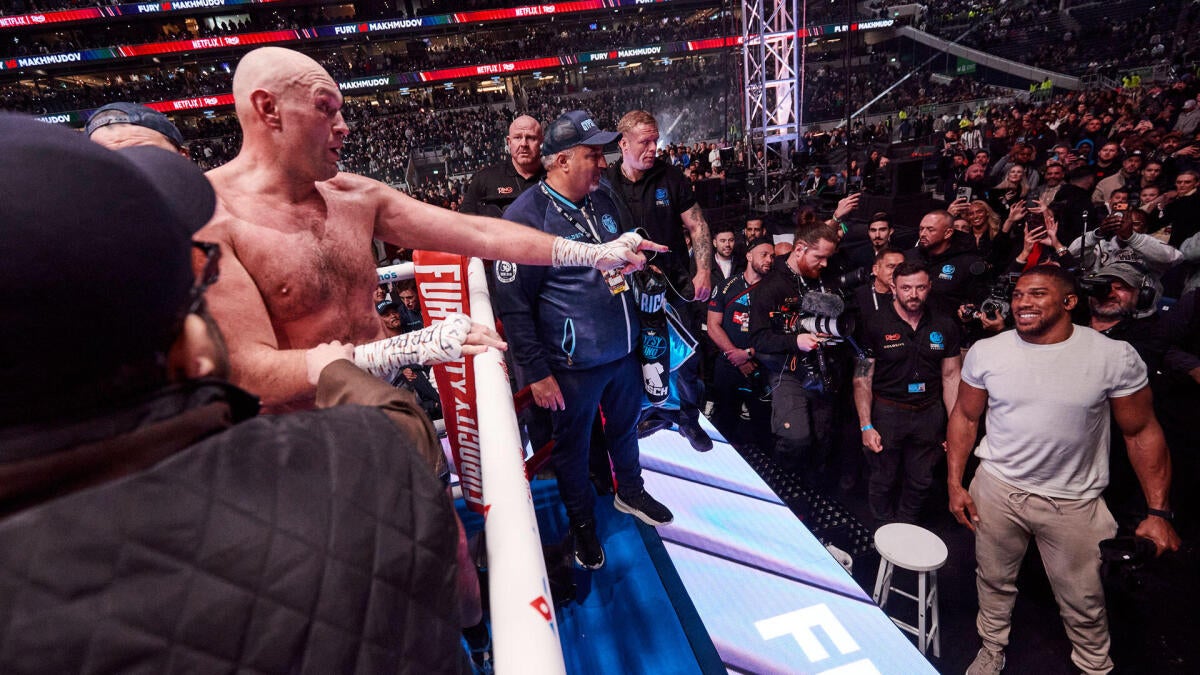
When Fury was finally cleared to resume his professional campaign, his public target was clear. A vocal callout in 2017 signaled the beginning of a persistent campaign aimed at diminishing Joshua’s standing and asserting his own rightful claim to the heavyweight throne. Joshua, while adopting a markedly different public persona, routinely countered Fury’s verbal assaults with pointed rejoinders of his own.
Yet for year after year, the fight remained elusive. Contractual obligations, competing network ties, mandatory title defenses, and unexpected upsets consistently intervened whenever a breakthrough seemed near. Rather than dissipating, the prolonged delays only served to amplify the rancor between the two camps. What began as a conventional promotional rivalry between two ascending contenders hardened over ten years of exchanged insults, barbed press conferences, and combative social media statements, cementing it as the most enduring unresolved feud in the history of British boxing.
Two Championship Eras and Modern Legacies
Despite the frustrations of failing to meet during their absolute physical zeniths, both Fury and Joshua utilized the past decade to build credentials that place them among the most accomplished heavyweights of their generation. Both men enjoyed two distinct runs as heavyweight world champions, headlining massive stadium events and authoring nights that revitalized public fascination with the division.
Fury’s championship journey was marked by his unconventional, unorthodox ring generalship and an ability to navigate deep psychological and physical challenges. Over the course of his career, he authored a singular narrative of reinvention, capturing the unified world championship before mounting an extraordinary second act that culminated in another extended reign. Throughout this stretch, Fury seemed largely invulnerable inside the ring, using his imposing frame, elusive footwork, and deceptive recovery skills to turn away every challenger in his path.
Joshua, by contrast, emerged as the prototypical modern heavyweight athlete. A gold-medal-winning Olympian who was fast-tracked to commercial and competitive superstardom, he combined devastating punching power with refined technical fundamentals. During his first championship reign, Joshua unified three of the four major sanctioning body belts, routinely drawing crowds in excess of 80,000 spectators to British stadiums and establishing himself as an unprecedented commercial force in modern European boxing. When that reign was interrupted, he demonstrated the resolve to adjust his approach, reclaiming his titles to secure a second tenure as world champion and joining an exclusive fraternity of multi-time heavyweight titlists.
Those collective accomplishments have already ensured that both men will receive first-ballot consideration for the International Boxing Hall of Fame once their active days in the ring conclude.

The Setbacks That Reshaped the Division
The primary reason this matchup can now take place outside the confines of mandatory sanctioning body politics is that both fighters were eventually dislodged from their championship perches. The landscape of the heavyweight division underwent a tectonic shift, largely driven by the arrival and mastery of Oleksandr Usyk.
Joshua’s second world title reign met its end at the hands of the Ukrainian technician, who outpointed Joshua in back-to-back encounters. Those defeats, paired with earlier career turbulence, altered the trajectory of Joshua’s career. Prior to his setbacks against Usyk, Joshua had experienced a shocking stoppage loss to Andy Ruiz Jr. in 2019—a defeat he subsequently avenged in an immediate rematch. Later, as Joshua worked to re-establish his standing in the title picture, he suffered another severe blow when he was decisively halted by Daniel Dubois. These intermittent stumbling blocks repeatedly complicated negotiations for the Fury fight, forcing Joshua through multiple rebuilding phases.
Fury, meanwhile, preserved his unblemished professional ledger far longer, surviving brutal wars and establishing an aura of near-invincibility. However, his standing as the division’s lineal and dominant force was definitively challenged and unseated in 2024. In two consecutive bouts that same year, Fury was defeated by Usyk, handing the self-proclaimed "Gypsy King" the only two official losses of his professional career. Those two 2024 defeats effectively closed the book on Fury’s second championship reign, stripped away his undefeated mystique, and fundamentally altered his competitive priorities.
An Unmissable Spectacle in the Twilight
With all undisputed and unified titles resting elsewhere, Joshua and Fury enter the Principality Stadium under drastically altered circumstances compared to the speculative talks of 2018 or 2021. Both fighters have unmistakably seen their absolute athletic primes come and go, bearing the physical wear and strategic scars of prolonged wars at the highest tier of the sport.
Yet boxing history has repeatedly demonstrated that heavyweight attractions of this caliber possess an appeal that transcends championship hardware. Even without sanctioning body belts on the line, the sheer personal stakes and historical weight of the contest remain unparalleled in British sporting culture. The Dec. 11 date carries the promise of resolving an unresolved chapter that has hung over the heavyweight division for ten years. For Joshua, the bout represents an opportunity to silence his most persistent domestic critic and claim the definitive triumph of his career. For Fury, it offers a long-awaited chance to back up years of biting rhetoric against the rival he has targeted since his 2017 return.
When the bell rings in Cardiff, the decade of debate, cancelled talks, and competing claims will be stripped away, leaving two former world champions with one final, undeniable opportunity to decide who truly owned their era.