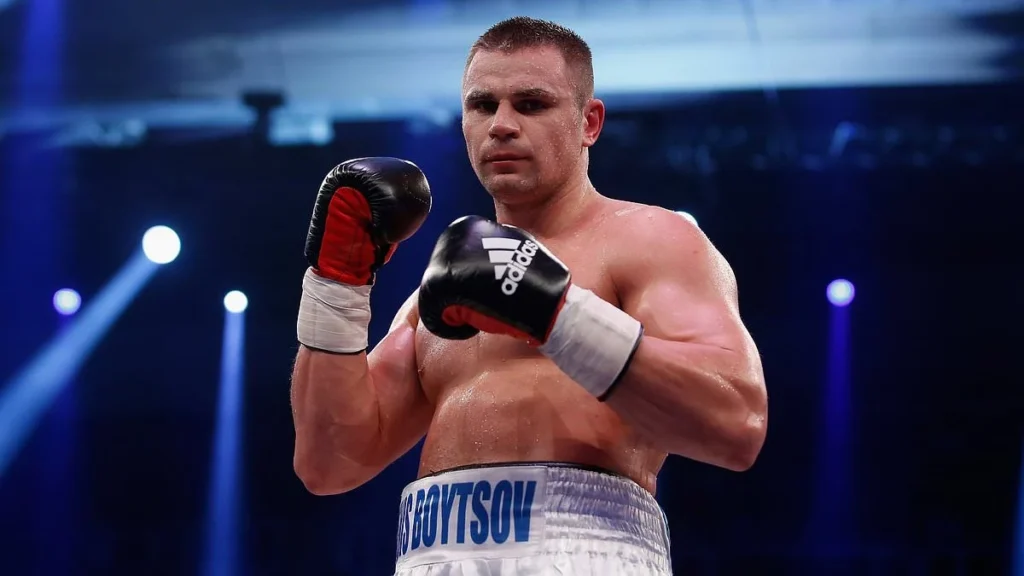



UFC middleweight standout Paulo Costa has once again ignited the ongoing debate surrounding compensation in the premier mixed martial arts organization. Voicing his frustrations on social media, the outspoken Brazilian fighter drew a sharp comparison between the multimillion-dollar payouts of the mid-2000s and the financial realities faced by modern athletes who endure grueling, career-ending wars inside the Octagon.
Costa’s commentary was sparked by a resurfaced video clip featuring UFC middleweight champion Sean Strickland in conversation with former light heavyweight champion Quinton "Rampage" Jackson. During the discussion, Strickland questioned Jackson about the largest single payday of his legendary career. Jackson revealed that he earned a staggering $7 million—a massive sum heavily bolstered by pay-per-view revenue sharing—for his historic 2007 title fight against Chuck Liddell.
Seizing upon the contrast, Costa took to social media to highlight what he views as a glaring disparity between the revenue generated by historic stars and the modest purses awarded to contemporary veterans who risk their long-term health for the sport.
Paulo Costa compares Rampage Jackson’s claimed $7 million payday with estimated Raoni Barcelos earnings
The origins of Jackson’s historic $7 million payday date back to the twilight years of PRIDE Fighting Championships and the shifting landscape of North American MMA promotions. Jackson explained to Strickland that the lucrative financial terms stemmed from a unique contract he originally signed with the World Fighting Alliance (WFA). According to the former champion, his manager at the time also held a significant promotional role within the organization, positioning him to negotiate an extraordinarily favorable structure.
"I left Pride. My manager, he became like the manager of the show. So, he knew exactly that it was his biggest deal," Jackson recounted to Strickland. "They didn’t want to have pay-per-view, so he gave me a crazy pay-per-view deal. Then Dana White bought WFA and had to honor my pay-per-view deal."
When Zuffa—the parent company of the UFC—purchased the WFA’s assets in December 2006, the promotion inherited existing fighter contracts, including Jackson’s high-stakes agreement. That legacy contract ultimately paved the way for Jackson’s iconic light heavyweight championship showdown against Chuck Liddell at UFC 71 in May 2007, where Jackson secured a first-round knockout victory and a historic financial windfall.
To emphasize his critique of the modern economic landscape within the organization, Costa juxtaposed Jackson’s mid-2000s windfall against the estimated earnings of veteran bantamweight Raoni Barcelos following a brutal encounter. Barcelos faced rising star Raul Rosas Jr. in a grueling matchup that tested both athletes to their absolute limits. During a demanding fifth-round grappling exchange, the 39-year-old Barcelos suffered a severe stoppage loss, momentarily losing consciousness as the fight came to a dramatic and punishing close.
Costa estimated that Barcelos earned between $80,000 and $100,000 for taking part in the five-round war—an amount the middleweight contender believes is fundamentally inadequate given the physical toll, severe brain trauma, and advanced stage of Barcelos’s career. Due to the compounding damage sustained during the bout, Costa noted that Barcelos, now in his late 30s, will likely be forced into retirement.
Taking to the social media platform X, Costa articulated his grievances directly to the public and the MMA community.
"UFC paid Rampage 7 million to fight Chuck what is comprehensive," Costa wrote. "Not comparing fighters relevance but comparing it with Barcelos x Rosas Jr 5 rds and had serious injuries on brain damage, made 80k~100k ?? Raoni Barcelos is around 40s and probably retired due to that injury."
The post quickly circulated throughout the combat sports community, drawing mixed reactions from fans, analysts, and fellow fighters who frequently debate the distribution of revenue within the sport. While major promotional figures and executives often point to the state-of-the-art performance facilities, global exposure, and promotional backing provided by the UFC, critics like Costa argue that the baseline compensation for veteran athletes who deliver high-level entertainment at the expense of their long-term health fails to reflect the staggering commercial growth the organization has achieved over the past two decades.
As the discussion continues to unfold across digital platforms, the remarks serve as a persistent reminder of the enduring tensions between promotional profitability and athlete compensation in professional mixed martial arts.