


Martial arts represent a remarkably broad, rich, and historically fascinating field of human physical culture, encompassing a vast array of distinct disciplines that each carry their own unique history, philosophical foundation, and technical execution. Whether an individual is a seasoned practitioner with years of mat experience or a curious novice stepping onto the training floor for the very first time, developing a clear understanding of the different types of martial arts available can serve as an invaluable tool in selecting the specific style that best aligns with personal goals.
From striking-based arts like traditional boxing and the punishing art of Muay Thai to grappling-focused disciplines such as Brazilian Jiu-Jitsu and Judo, every recognized martial art offers something distinctive to its practitioners. By examining the primary categories of combat disciplines—ranging from pure striking and intricate grappling to versatile hybrid systems and deeply rooted traditional arts—enthusiasts can gain a deeper appreciation for the mechanics of human combat and physical self-improvement.
Striking Martial Arts
Striking martial arts form one of the most visible and widely recognized categories of combat disciplines. These systems focus primarily on utilizing punches, kicks, elbows, knees, and various other anatomical striking surfaces to deliver powerful, calculated attacks against an adversary. These arts emphasize critical tactical elements such as distance management, spatial awareness, timing, and speed, with practitioners frequently engaging in stand-up engagements where maintaining the correct range is the difference between victory and defeat.

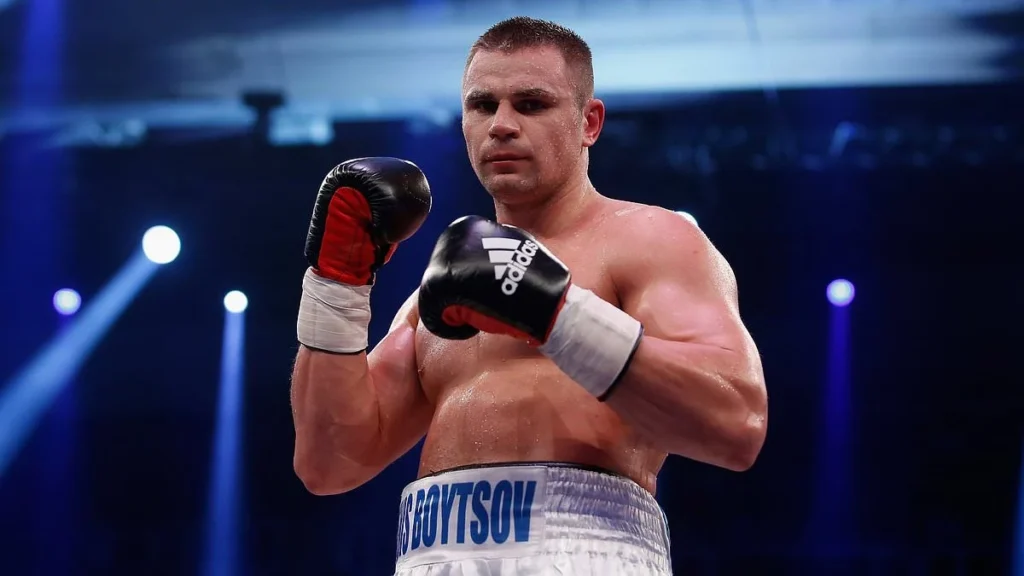
Prominent striking arts include boxing, which relies exclusively on upper-body punches and elite defensive footwork within a squared ring, and Muay Thai, often referred to as the "Art of Eight Limbs" due to its integration of fists, elbows, knees, and shins. Other striking disciplines, such as various forms of karate and kickboxing, bring unique regional philosophies and techniques to the striking paradigm.
Each of these distinct arts offers its own specialized interpretation of striking mechanics, yet they share a universal fundamental goal: to effectively incapacitate or overwhelm an opponent using direct physical strikes while minimizing incoming damage through superior defense and footwork.
Grappling Martial Arts
In stark contrast to striking-based disciplines, grappling martial arts shift the combat paradigm entirely away from punches and kicks, focusing instead on close-range combat scenarios with an intense emphasis on throws, standing takedowns, complex joint locks, and suffocating ground control. The ultimate objective within grappling-centric systems is to subdue an opponent through superior biomechanical positioning, leverage, and submission holds that threaten joint integrity or choke off blood and oxygen supply, forcing a verbal or physical tap-out.
Among the most prominent grappling-based types of martial arts are Brazilian Jiu-Jitsu (BJJ), which revolutionized ground fighting by demonstrating how a smaller practitioner can neutralize a larger attacker using leverage and joint manipulation, and Judo, an Olympic sport that utilizes explosive throws and trips to put opponents onto the mat. Other traditional grappling arts, such as wrestling and sambo, contribute deeply to this category.

Grappling arts fundamentally teach vital psychological and physical attributes, including deep control, immense patience, and high-level strategic thinking. Because of their practical nature in close-quarters altercations, these disciplines are frequently favored by individuals who prefer close-contact combat and real-world applicability in self-defense scenarios.
Hybrid Martial Arts
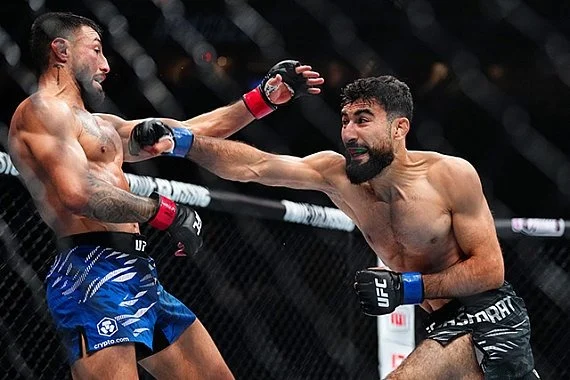
Hybrid martial arts represent a modern evolution in combat sports, successfully combining tactical elements from both striking and grappling disciplines to create exceptionally versatile and effective fighters. These types of martial arts have grown immensely popular in contemporary combat sports organizations, most notably within Mixed Martial Arts (MMA) promotions, where modern competitors must be comprehensively well-rounded across all phases of combat to achieve success at the highest professional levels.
A fighter trained in a hybrid discipline cannot rely solely on knockout power or elite submission skills; instead, they must seamlessly transition from striking at range to shooting for a takedown, or defend against a kick while threatening a single-leg sweep.
Hybrid martial arts offer practitioners the invaluable ability to adapt dynamically to virtually any situation that arises during a physical confrontation, providing an optimal balance between striking offense and grappling dominance for maximum overall effectiveness in chaotic environments.

Traditional Martial Arts
Traditional martial arts carry a rich lineage that has been preserved and practiced for centuries, frequently incorporating a powerful philosophical, cultural, or spiritual component that shapes the character of the practitioner. These types of martial arts are almost universally viewed as being much more than simple collections of combat techniques; rather, they function as comprehensive ways of life that actively promote deep discipline, profound respect, mental fortitude, and continuous personal growth.
Disciplines such as traditional forms of karate, taekwondo, kung fu, and aikido often emphasize kata (pre-arranged forms), meditation, and ethical codes of conduct alongside their physical movements.
While these traditional martial arts may not always maintain the same level of mainstream prevalence in modern professional combat sports as purely sport-oriented fighting systems, they continue to hold immense cultural and historical significance. They provide a holistic, measured approach to physical conditioning, mental wellness, self-defense, and lifelong personal development.
Choosing the Right Martial Art for You
With such a vast and diverse array of martial arts disciplines currently available around the globe, deciding which specific path to pursue can initially feel overwhelming for newcomers. Prospective students must carefully evaluate what they personally hope to achieve through their training—whether their primary motivation is physical fitness, practical self-defense, competitive athletic achievement, or spiritual and personal growth.

Striking-centric arts like traditional boxing or Muay Thai may suit individuals who thrive in high-energy, fast-paced training environments characterized by intense cardiovascular conditioning and pad work. Conversely, individuals who prefer the mental chess match of grappling, leverage, and ground control may find Brazilian Jiu-Jitsu or Judo to be significantly more appealing.
Those athletes looking for an all-encompassing balance of both striking and grappling naturally gravitate toward hybrid systems like MMA or combat sambo. Ultimately, the most effective martial art for any individual is simply the one that genuinely aligns with their personal lifestyle goals and keeps them consistently motivated to return to the gym.
Conclusion
Understanding the wide spectrum of different martial arts available today represents the crucial first step in finding the specific fighting style that suits an individual’s unique needs. From the dynamic, devastating strikes found in Muay Thai and striking systems to the intricate, technical ground fighting of BJJ and Judo, each individual martial art offers a distinct set of physical and mental benefits.
Whether an incoming practitioner’s primary objective is to radically improve their overall physical fitness, master practical self-defense techniques, or eventually compete at an elite level, the world of martial arts provides a wonderfully diverse array of disciplines to explore, study, and master.