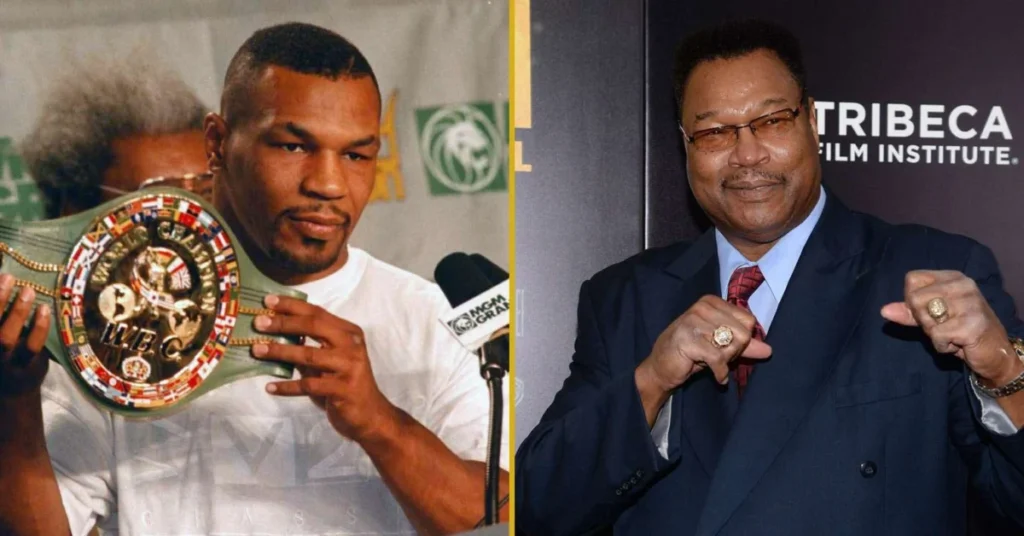



The Dawn of the Iron Mike Era
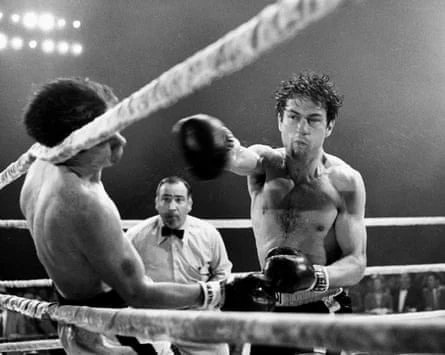
When Mike Tyson burst onto the professional boxing scene in the mid-1980s, he did not just win fights; he dismantled the very concept of heavyweight competition. To look back at his early career is to witness a force of nature that defied the conventional physics of the ring. The sheer speed and violent efficiency with which he dispatched opponents created an aura of invincibility that remains unparalleled in sports history. Even decades later, watching those grainy tapes feels like watching a scripted movie where the protagonist is too powerful for his own good.
The primary reason these early bouts still feel unreal is the terrifying combination of speed and power. Traditionally, heavyweights were seen as slow, lumbering giants who relied on attrition and size. Tyson, standing at a relatively short 5 feet 10 inches, moved like a middleweight with the concussive force of a wrecking ball. His ability to close the distance in a fraction of a second left both spectators and opponents in a state of total shock, often ending fights before the crowd had even settled into their seats.
The Genius of the Peek-a-Boo Style
Much of Tyson’s early success can be attributed to the Peek-a-Boo style perfected by his mentor, Cus D’Amato. This style emphasized constant head movement and a high-guard defense that made Tyson an elusive target. By bobbing and weaving with rhythmic precision, Tyson was able to slip jabs and counter with explosive hooks and uppercuts. This technical mastery meant that while he was viewed as a brawler, he was actually one of the most defensively sound fighters of his era.
The psychological edge Tyson held over his opponents was perhaps his most potent weapon. Long before the first bell rang, Tyson had often already won the fight. His walk to the ring—devoid of flashy robes, music, or theatrics—was a calculated display of raw menace. Wearing plain black trunks, no socks, and a towel around his neck, he looked less like an athlete and more like an executioner. This minimalist aesthetic served to strip away the sport’s glamor, leaving only the grim reality of the impending violence.
A Statistical Anomaly in Heavyweight History
Between 1985 and 1986, Tyson fought an incredible 28 times, winning nearly all of them by knockout. The sheer frequency of his appearances contributed to the feeling of an unstoppable momentum. In an era where modern champions fight once or twice a year, Tyson’s schedule was a throwback to the gladiatorial days of boxing. This relentless activity kept him sharp and ensured that the name Mike Tyson was constantly in the headlines, building a mythos that grew with every fallen opponent.
One cannot discuss Tyson’s early fights without mentioning the visceral impact of his punching mechanics. Unlike many fighters who push their punches, Tyson snapped them. His hooks were delivered with a torque that involved his entire body, starting from his legs and rotating through his core. This resulted in a type of impact that looked different on camera; opponents didn’t just fall, they collapsed as if their nervous systems had been momentarily disconnected from their bodies.
The Destruction of Trevor Berbick
The pinnacle of this unreal period was arguably his fight against Trevor Berbick in 1986. At just 20 years old, Tyson became the youngest heavyweight champion in history. The way he bounced Berbick off the canvas—leaving the veteran champion stumbling and unable to find his footing—was a scene that looked like it belonged in a comic book. It was the moment the world realized that Tyson wasn’t just a prospect, but a generational shift in the sport of boxing.
The list of early victims is long and storied, featuring names like Marvis Frazier and Jesse Ferguson. In the Frazier fight, Tyson secured a knockout in just 30 seconds. The efficiency of his movement in that bout is a case study in closing range. He didn’t waste a single step, moving directly into the pocket and unleashing a flurry that ended the contest before Frazier could even establish a jab. It is this economy of motion that makes his highlights feel edited or sped up.
The Role of Intimidation and Body Language
If you watch the eyes of Tyson’s early opponents, you can see a recurring theme: fear. Many seasoned professionals looked visibly shaken during the referee’s instructions. This psychological paralysis meant that they fought defensively, which only played into Tyson’s hands. By backing them into the ropes, he could unleash his signature combinations without fear of significant retaliation. The aura of the Iron Mike persona was a self-fulfilling prophecy of dominance.
Furthermore, Tyson’s early fights were often broadcast on HBO, which captured the sound of his punches with startling clarity. The thud of a Tyson hook landing on a ribcage or a chin was a sound unlike any other in boxing. This auditory experience, combined with the visual of a much larger man being lifted off his feet by a shorter opponent, solidified the surreal quality of his performances for the television audience at home.
Technical Nuance Behind the Brutality
Despite his reputation as a pure slugger, Tyson’s footwork was elite. He used lateral movement to create angles that his opponents couldn’t anticipate. He would step outside of an opponent’s lead foot, effectively putting himself in a position where he could hit them while they were unable to hit him back. This geometric advantage is often overlooked by casual fans who only see the final blow, but it was the foundation of his early success.
The cultural impact of this era cannot be overstated. Tyson became a crossover star who transcended the sport of boxing. He represented a raw, unfiltered energy that resonated with the public. During his rise, he wasn’t just a fighter; he was a phenomenon that felt like a bridge between the classic era of Ali and the modern spectacle of the 90s. His fights were events that felt like they could change the course of pop culture in under three minutes.
The Longevity of the Legend
Why do we still watch these clips today? It is because they represent a purity of combat that is rarely seen. There were no clinches, no dancing, and no wasted time. Tyson came to finish the fight as quickly as humanly possible. In a world of complex strategies and long-form entertainment, the simplicity of Tyson’s early knockouts provides a satisfying, albeit violent, form of closure that remains addictive to sports fans.
The contrast between Tyson and the heavyweights that followed him also contributes to the unreal feeling of his prime. While subsequent eras were dominated by massive men who used their reach to keep opponents at bay, Tyson proved that leverage and explosiveness could overcome any height disadvantage. He was a glitch in the system, a fighter who shouldn’t have been able to do what he did given his physical dimensions.
Conclusion: A Moment in Time
Ultimately, Mike Tyson’s early fights still feel unreal because they were the perfect storm of coaching, talent, and timing. We are unlikely to ever see another heavyweight who possesses that specific blend of D’Amato’s technical wizardry and Tyson’s natural ferocity. Those early rounds remain a testament to what happens when a human being is trained from childhood to be the ultimate fighting machine. They are not just boxing matches; they are historical artifacts of a time when one man made the impossible look routine.