DAZN chief executive Shay Segev has revealed that the global sports streaming service’s aggressive expansion into local sports broadcasting across the United States is merely the first stepping stone toward a much larger footprint in the world’s most lucrative media market.
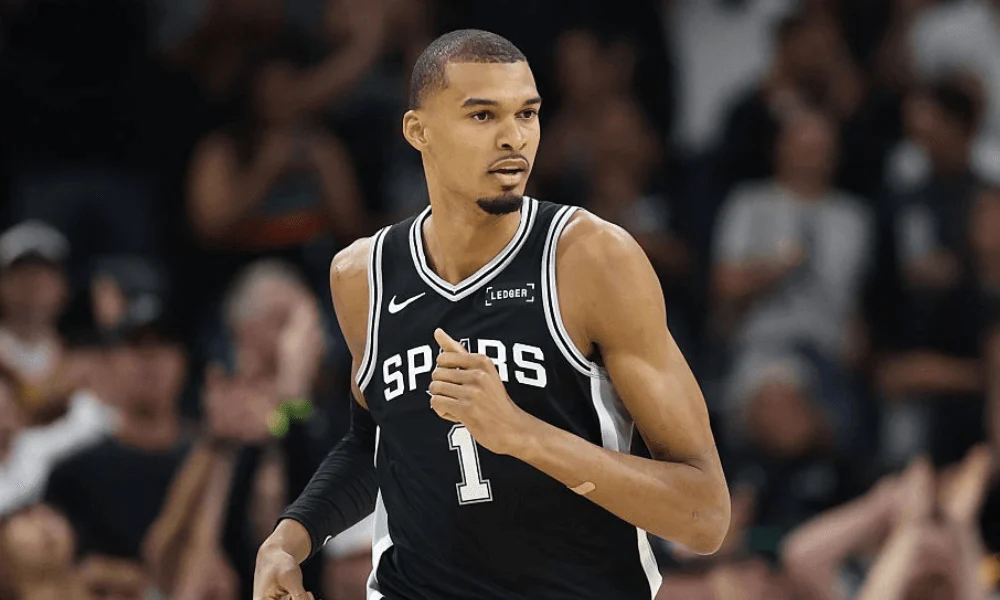
Over recent months, the prominent sports streaming platform has systematically acquired local rights to—or struck comprehensive distribution agreements with—several major franchises across the National Basketball Association (NBA), the National Hockey League (NHL), and Major League Baseball (MLB). These strategic commercial interventions have arrived at a critical juncture for professional sports franchises, helping them successfully adapt to the rapid erosion of their traditional regional sports network (RSN) broadcast partners and the broader, ongoing structural decline in traditional pay-TV households.
The platform’s ambitions have been heavily backed by significant corporate investment. DAZN reportedly spent approximately US$100 million to acquire ViewLift, a specialized digital infrastructure company that has historically built robust direct-to-consumer (DTC) streaming platforms for various sports teams. Alongside this, DAZN also integrated Everpass Media, a company recognized for distributing National Football League (NFL) Sunday Ticket packages to commercial venues such as bars and restaurants. Through these acquisitions, DAZN has positioned itself uniquely in the market, allowing the company to offer advanced technological infrastructure, high-tier customer service capabilities, and expanded multi-platform distribution to other sports franchises seeking a reliable pivot away from legacy broadcasting models.
Addressing attendees at the prominent sports industry conference Leaders Week London, held at Stamford Bridge, Segev elaborated on the strategic rationale behind these moves. He noted that forging deep, collaborative relationships with some of the biggest sports properties at a hyper-local level would ultimately help anchor DAZN within the complex US media landscape. In turn, this foundational work is expected to pave the way for smoother negotiations concerning major national broadcast rights down the line.
As a global platform that harbors clear ambitions to become the largest sports streaming destination in the world, Segev emphasized that the company cannot ignore the globe’s premier media economy. Because the US market is notoriously complex and fragmented, the executive leadership team spent considerable time deliberating on the most effective entry strategy before executing their current playbook.
Reflecting on the rapid scaling of the business, Segev pointed out that DAZN is now directly involved with roughly 35 different teams across the United States through a combination of direct rights deals and technological partnerships facilitated via ViewLift. Describing this achievement as an amazing milestone, he remarked that the company effectively transitioned from a standing start to capturing relationships with roughly half of all major US professional sports teams in a remarkably short span.
Looking ahead, Segev expressed optimism that these localized partnerships will eventually consolidate into larger, broader agreements with major league bodies such as the NHL and the NBA. He was unequivocal about the company’s long-term aspirations, stressing that DAZN is not entering the market merely to operate as a localized broadcaster for a single team in an isolated state. Instead, the ultimate vision is to evolve into a major national broadcaster, a dominant global platform, and a trusted long-term strategic partner for the leagues themselves.
DAZN is no stranger to managing massive sports properties on a grand scale. The platform already hosts the international streaming services for both the NFL and the NHL, mirroring the kind of white-label or managed service arrangements it provides for a diverse range of international sports rights holders looking to harness its global technological reach and extensive distribution network. Meanwhile, the NBA’s domestic and international direct-to-consumer streaming service is currently distributed by Amazon Prime Video as part of that tech giant’s extensive domestic and international rights package.
While the primary broadcast rights for major leagues like the NFL and the NBA remain tied up under long-term agreements and will not return to the open market for several years, other major properties face a different reality. Both Major League Baseball and the NHL will be looking to renegotiate and structure their media rights deals in the near future. Given the ongoing demise of traditional RSN business models and the steady attrition of pay-TV subscriptions, industry analysts widely anticipate that more sports rights could eventually be centralized back at the league level, creating further opportunities for agile digital-first distributors like DAZN.
Beyond its domestic US expansion and existing North American properties, DAZN is also keeping a close eye on international soccer, specifically expressing a strong desire to deepen its longstanding relationship with Serie A. The broadcaster already functions as a major media partner for Italy’s top-flight soccer division, delivering coverage both domestically within Italy and across numerous international territories, including the United Kingdom. However, the company now perceives a strategic opportunity to integrate additional matches into its global service ecosystem, whether through direct rights acquisitions or as value-adding subscription bundles.
Detailing these broader international ambitions, Segev pointed to major global events as a template for future collaborations, stating that the company ideally wants to orchestrate more partnerships mirroring its involvement with the FIFA Club World Cup, for which DAZN held exclusive global streaming rights. Describing the existing relationship, Segev highlighted that DAZN is already a massive partner of Serie A, and expressed his personal aspiration to forge a sweeping global partnership with the Italian league. He noted that he and Serie A chief executive Luigi Di Siervo are in regular dialogue about potential pathways, expressing hope that both organizations will eventually find a way to bring a comprehensive global vision to fruition.