

Mike Tyson is a name that resonates far beyond the confines of the boxing ring. While his record of 50 wins and his status as the youngest heavyweight champion in history are monumental, his true legacy lies in his profound impact on global culture and the human spirit. Tyson represents the duality of man—strength and vulnerability, ferocity and philosophy. His life story serves as a mirror to the highs and lows of the American Dream, making him a figure of perpetual fascination.
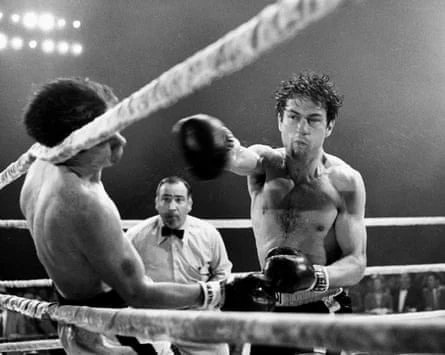
During the 1980s, Tyson became the personification of raw power. His Baddest Man on the Planet persona was not just a marketing gimmick; it was a psychological phenomenon that captivated the world. This era of his life showcased the sheer dominance one individual could exert over a sport, changing the way fans and athletes perceived the heavyweight division. He wasn’t just a fighter; he was a force of nature that demanded attention from every corner of the globe.
Beyond the knockouts, Tyson’s story is one of survival. Growing up in the tough streets of Brownsville, Brooklyn, he faced systemic challenges that would have broken most people. His rise to the top was a testament to his resilience and the transformative power of discipline, even when that discipline was born from a place of fear and necessity. This background added a layer of grit to his legacy that many fans found deeply relatable.
The Psychological Warfare of Iron Mike
Tyson’s legacy is deeply rooted in his ability to win fights before they even began. Psychological warfare was his greatest tool. He would stare down opponents with a cold, unblinking intensity that shattered their confidence. This mental edge is a case study for athletes across all disciplines on the importance of presence and intimidation, showing that the mind is often the most powerful weapon in any arena.
The influence of Cus D’Amato cannot be overstated in the Tyson narrative. D’Amato was more than a trainer; he was a mentor who provided the emotional and tactical foundation for Mike’s success. Their relationship highlights the importance of guidance and the impact a positive role model can have on a troubled youth. This bond remains a core part of Tyson’s legacy, emphasizing that even the strongest individuals need a foundation of support.
Tyson’s transition into pop culture is perhaps one of the most successful in sports history. From his iconic cameo in The Hangover to his own animated series, he has shown a remarkable ability to laugh at himself. This self-awareness helped bridge the gap between the terrifying champion of the past and the charismatic entertainer of the present. He proved that an athlete can evolve their brand far beyond their physical prime.
The Redemption Arc: From Villain to Beloved Figure
Perhaps the most significant part of Tyson’s legacy is his redemption arc. After facing legal troubles, personal loss, and financial ruin, he did not disappear. Instead, he reinvented himself. His journey from a villain in the eyes of the media to a beloved, wise, and introspective public figure is a powerful narrative of personal growth and forgiveness. It offers hope to anyone facing their own dark times.
The success of his podcast, Hotboxin’ with Mike Tyson, allowed the world to see a different side of him. Through deep conversations with athletes, celebrities, and philosophers, Tyson demonstrated a high level of emotional intelligence and curiosity. He became a voice for the misunderstood, proving that people are capable of profound intellectual and emotional change regardless of their past.
In the business world, Tyson has proven to be an innovator. His venture into the cannabis industry with Tyson Ranch is a prime example of his entrepreneurial spirit. By focusing on the medicinal benefits and the wellness aspect of the plant, he has positioned himself as a leader in a rapidly evolving market. This move showed his ability to identify trends and build a successful business empire outside of sports.
Tyson has also become an unexpected advocate for mental health. By speaking openly about his struggles with depression, addiction, and the burden of his own ego, he has helped destigmatize these issues for men and athletes. His vulnerability is now seen as a strength, encouraging others to seek help and embrace their own complexities rather than hiding them behind a mask of toughness.
The Technical Brilliance: Peek-a-Boo Style
While often praised for his power, Tyson’s technical brilliance is a core part of his boxing legacy. The Peek-a-Boo style, characterized by high-hand defense and explosive lateral movement, remains a subject of study for boxing purists. His ability to close the distance and deliver devastating combinations with precision is a masterclass in boxing mechanics that continues to influence trainers today.
The global reach of the Tyson brand is unparalleled. Even in countries where boxing is not the primary sport, Mike Tyson is a household name. He has become a symbol of American grit and the comeback kid archetype, making him one of the most recognizable faces on the planet. His image transcends language and culture, representing a universal story of struggle and triumph.
Modern fighters often cite Tyson as their primary inspiration. His influence can be seen in the aggressive styles and marketing strategies of today’s boxing and MMA stars. He paved the way for the superfight era, where the personality and backstory of the fighter are just as important as their skill in the ring, forever changing the economics of combat sports.
The lessons derived from Tyson’s life are multifaceted and offer deep insights into the human condition. He teaches us about:
- The dangers of fame and sudden wealth without a support system.
- The importance of mental fortitude in the face of overwhelming odds.
- The necessity of evolving with the times to remain relevant.
- The power of second chances and the capacity for human change.
In conclusion, Mike Tyson’s legacy is not defined by the belts he held, but by the lives he has touched and the cultural shifts he has initiated. He remains a complex, fascinating, and ultimately human figure. His journey serves as a reminder that greatness is not just about winning championships, but about how one handles the losses and continues to move forward with honesty and purpose.