
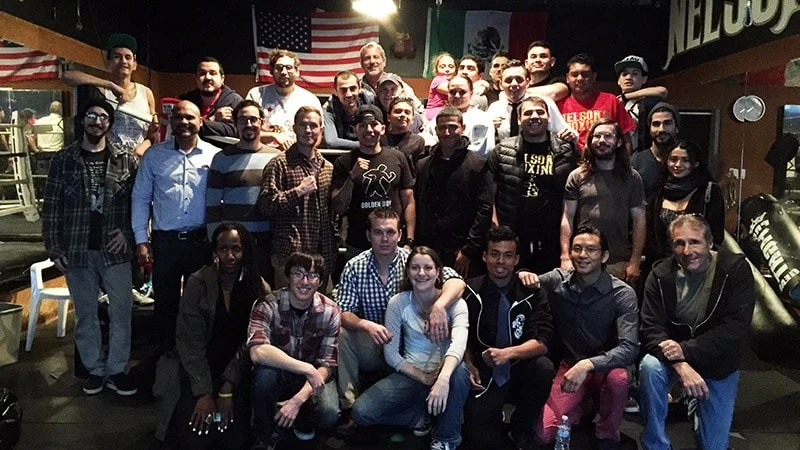
For sports enthusiasts unable to find a nearby gym, a dedicated coach, or a reliable training partner, a growing movement offers a compelling alternative: building your own community from scratch. What often begins as an informal workout between two people in a local park can organically evolve into a thriving regional hub, fostering deep friendships and long-term athletic development without the high costs or restrictive environments of traditional commercial facilities.
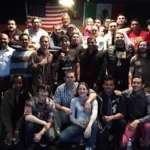
Veterans of the grassroots sporting community note that establishing an independent training group is often far more rewarding and accessible than many expect. Founders who started their own community projects over a decade ago watched their early efforts blossom into organizations boasting hundreds of active members. Beyond physical fitness, these self-made clubs cultivate a unique sense of freedom and camaraderie that is difficult to replicate in established commercial gyms, with members frequently forming lifelong bonds.
The foundational journey typically begins with education and self-reliance. Aspiring organizers often turn to digital resources, studying online instructional videos and reading historical literature about the sweet science. Boxing history is deeply intertwined with broader cultural milestones, influencing politics, film, music, and general athleticism. By immersing themselves in the sport’s rich heritage and diverse coaching styles—rather than restricting themselves to copying a single legendary fighter like Mike Tyson or Floyd Mayweather—founders build the deep passion necessary to inspire others.
Once a foundational knowledge base is established, the next critical phase requires very little infrastructure: a single partner. Anyone willing to try out basic conditioning and pad work can serve as an initial training companion. Having two people of similar size and fitness levels is helpful, but not strictly necessary, provided participants prioritize safety and mutual respect.
Establishing a consistent schedule and choosing the right location are pivotal for long-term momentum. Organizers emphasize creativity when selecting training sites, noting that any open space can be utilized. Choosing between public and private venues offers distinct advantages. Training in a local public park, for example, often sparks curiosity among bystanders, creating organic opportunities to interact with onlookers, make new friends, and invite them to future sessions. Conversely, private spaces offer controlled environments where groups can play their own music, maintain privacy, and spar without causing alarm to the general public.
Timing and frequency also dictate whether a group survives or fizzles out. Industry veterans recommend scheduling sessions on ordinary weekdays—such as Monday through Thursday—rather than weekends, when older students and working adults are more likely to have social commitments or travel plans. Afternoon and evening slots are generally preferred, particularly when timed around shared meals. Grabbing food together after a workout is widely recognized as one of the most effective catalysts for building team chemistry and genuine friendship. Furthermore, limiting formal meetups to once a week initially prevents the activity from feeling like an overwhelming chore, leaving participants eager for the next gathering.
As the group begins to take shape, acquiring equipment becomes a gradual process rather than an immediate financial burden. Organizers stress that beginners do not need an arsenal of expensive gear. Starting with basic items and slowly collecting used or donated equipment from individuals who no longer use their old fitness gear keeps overhead remarkably low.
Leveraging the power of social media plays an essential role in expanding these grassroots communities. Sharing progress and training clips online naturally attracts curious friends and acquaintances. However, organizers caution against posting overly aggressive highlight reels featuring knockouts, which can intimidate newcomers who might feel they are not yet skilled or tough enough to participate. Emphasizing inclusivity, fun, and general fitness helps demystify the sport and welcomes a diverse demographic of participants. Along the way, organizers learn to brush off cynical online commentary from anonymous internet trolls, focusing instead on positive community engagement.
As core groups expand to five or ten dedicated members, organic growth tends to accelerate rapidly. Participants naturally bring friends, siblings, roommates, and coworkers into the fold. Successful club leaders emphasize the importance of maintaining an open mind and avoiding hasty judgments about newcomers. Across various body types, athletic backgrounds, ages, and skill levels, welcoming all positive characters creates a diverse and resilient culture. While maintaining inclusivity is vital, organizers must also remain vigilant in identifying and excluding disruptive or overly aggressive individuals who threaten the safety and harmony of the group.
Establishing clear cultural norms, routines, and etiquette helps maintain order as membership swells. Well-organized clubs often accommodate different types of participants, ensuring that even those who prefer not to spar or work out intensely still find a valued role within the community. Non-participants can contribute meaningfully by managing social media content, handling music playlists, holding pads, assisting with hand-wraps, or coordinating post-training meals. Engaging every attendee ensures that no one feels alienated or treated as a secondary member.
To strengthen interpersonal connections outside of active training hours, successful groups frequently organize social outings, ranging from watching professional pay-per-view fights together to non-boxing activities like attending movies, hiking, or dining out. These shared experiences solidify the transition from mere gym acquaintances to genuine, real-life friends.
As these grassroots clubs expand beyond their initial capacity, natural leaders invariably emerge to help manage the growing membership. Empowering trusted individuals to take charge of specific tasks or corners of the training space allows the community to scale smoothly while retaining its welcoming, family-like atmosphere. Ultimately, establishing a successful independent boxing club relies less on advanced technical expertise and more on shared enthusiasm, inclusivity, and a genuine commitment to building a supportive community.