The heavyweight division is teetering on the edge of a generational shift, with the landscape being reshaped by rising contenders, mandatory challengers, and the inevitable twilight of established greats. As the sport looks beyond the current reigning figures, the roadmap for the division’s leading names is becoming increasingly complex, complicated by promotional politics, mandatory obligations, and the appetite for high-stakes rematches.
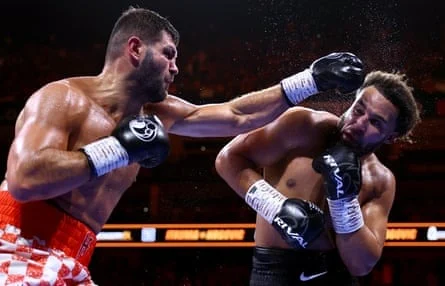
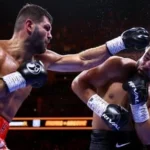
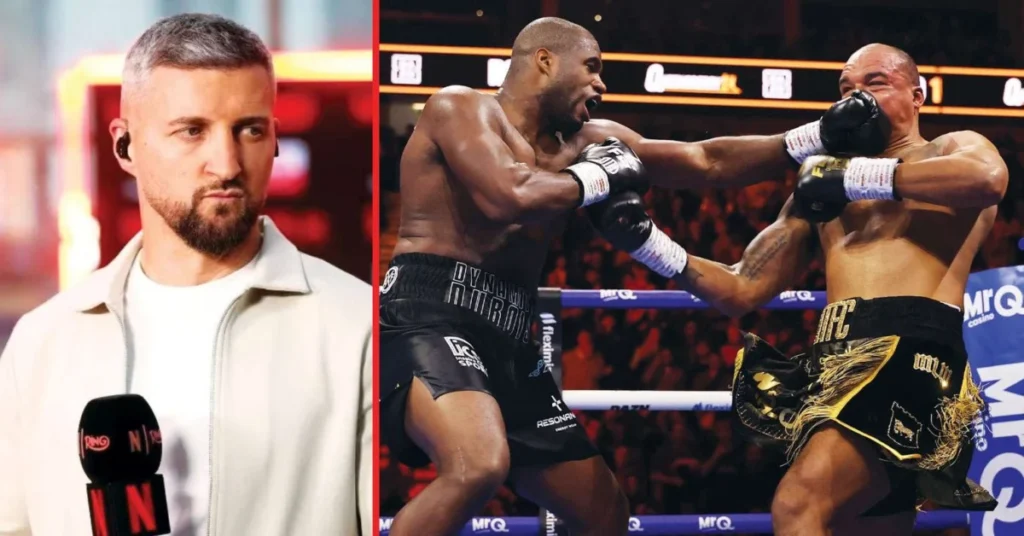
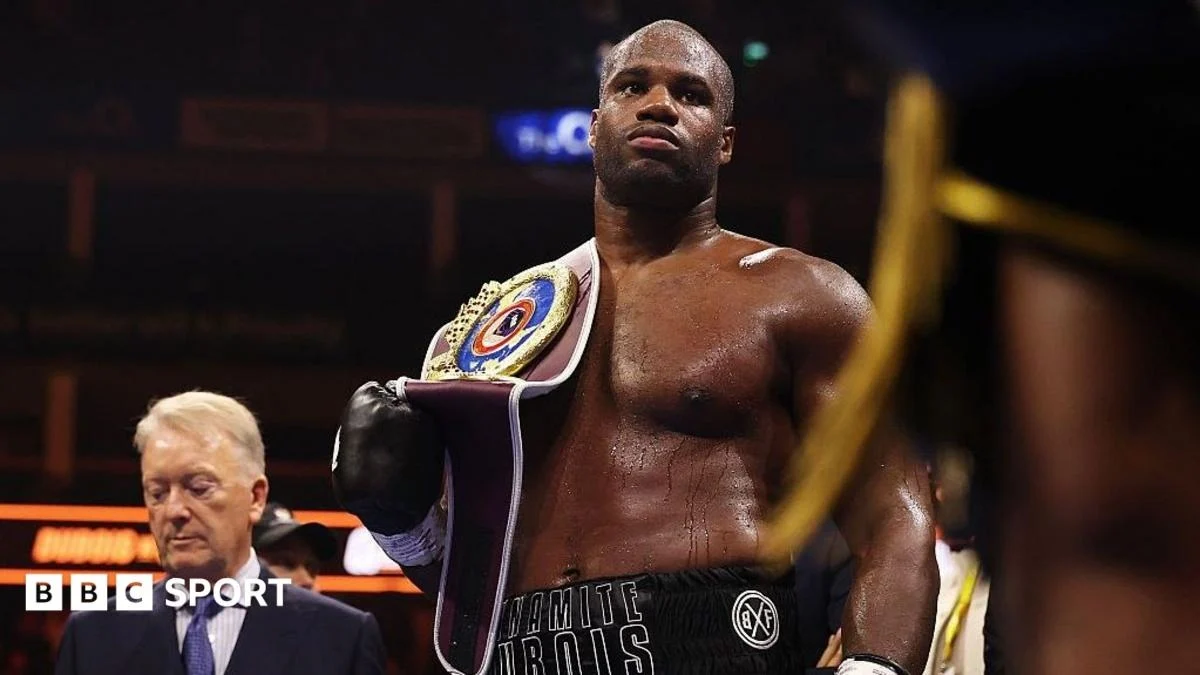
The intentions at the very top of the division were made unmistakably clear recently when IBF champion Filip Hrgovic entered the ring immediately following Daniel Dubois’ latest victory. Both fighters are acutely keen on a high-stakes rematch, driven by unfinished business from their previous encounter. Dubois memorably stopped the Croatian heavyweight in June 2024, a loss that temporarily derailed Hrgovic’s momentum at the elite level.
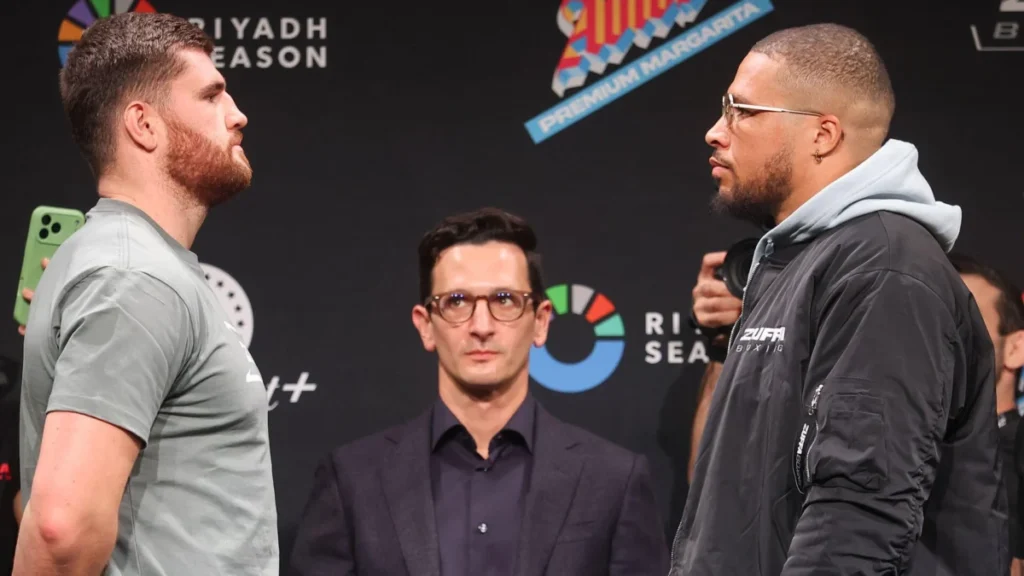
However, the 34-year-old Croatian has since successfully rebuilt his reputation within the weight class, demonstrating remarkable resilience to claim the vacant IBF title with a statement victory over British prospect Moses Itauma in August. Despite the clear mutual interest in a second fight between Dubois and Hrgovic, the path to a direct rematch is far from straightforward. Standing squarely in the way is Cuba’s hard-hitting Frank Sanchez, who is waiting in the wings as the mandatory challenger for the IBF crown.
Prominent boxing promoter Frank Warren is actively working behind the scenes toward staging Hrgovic’s first mandatory defence in Croatia early next year. This prospective homecoming for the IBF champion would inevitably delay any immediate reunion or unification meeting with Dubois, forcing the British heavyweight to look elsewhere to maximize his earning potential and sporting legacy in the short term.
For Dubois, arguably the most lucrative financial prize on the horizon would be a blockbuster meeting against the winner of the upcoming December showdown between Tyson Fury and Anthony Joshua. Such a bout would not only capture the imagination of the global sporting public but also serve as a major milestone in the division’s ongoing consolidation of titles.
Reflecting on the promotional landscape and the myriad possibilities for the division next year, Frank Warren outlined the strategic approach being taken by management teams. "All those names are there to do a unification fight next year and that’s what we’ll be working on," Warren said, highlighting the intricate chess match required to align the top-tier fighters.
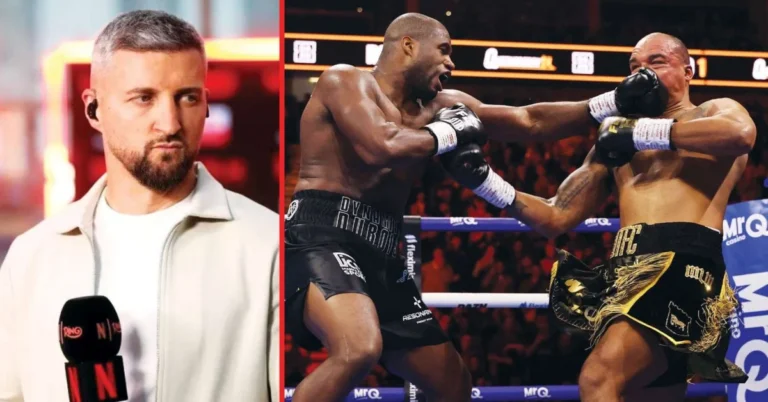
While the summit of the heavyweight division plots its next moves, contenders further down the hierarchy are dealing with the harsh realities of world-level competition. Recent fights have underscored the fine margins that separate domestic or fringe contenders from genuine global elites. For instance, recent performances have shown that while competitors like Wardley possess the heart and power to compete at the world level, the manner of recent defeats has laid bare a distinct gulf in technical ability when facing top-tier operators.
For fighters in such positions, a calculated return against a lower-ranked opponent could serve as a valuable stepping stone to help restore confidence and refine tactical deficiencies. Yet, significant questions inevitably remain over whether such fighters can make the necessary technical and strategic adjustments required to challenge the division’s elite crop once again, or if they have reached their ceiling at the international level.
The wider heavyweight ecosystem is densely populated with talent eager to stake their claim. American heavyweight Jarrell Miller remains highly ranked within the major governing bodies, maintaining his presence as a disruptive force. Meanwhile, a younger wave of American heavyweights, including Jared Anderson and Richard Torrez Jr.—an accomplished Olympic silver medallist—are actively in the process of rebuilding their momentum following various career setbacks and developmental milestones.
International contenders are also positioning themselves for a breakthrough. New Zealand’s former world champion Joseph Parker is aggressively seeking a high-profile return to the ring after his provisional doping suspension was successfully lifted in August, clearing the path for him to re-enter the world title conversation. Across the globe, unbeaten rising stars are making rapid statements. Australia’s Teremoana Teremoana has maintained a terrifying 100 percent knockout ratio, having stopped all 12 of his professional opponents within the opening two rounds. Meanwhile, Uzbekistan’s formidable two-time Olympic champion Bakhodir Jalolov further extended his unblemished professional record by securing a hard-fought victory over Solomon Dacres.
On the domestic scene in Britain, veteran campaigner Derek Chisora, now 42 years old, is once again considering another dramatic comeback. Chisora has indicated that he expects to step back into the ring to face WBA ‘regular’ champion Gassiev in December, proving his enduring appetite for high-risk matchups.
At the same time, British champion Richard Riakporhe is actively pursuing fresh world honours after successfully making the transition up from the cruiserweight division. Former cruiserweight world champion Lawrence Okolie is also targeting a high-profile return to active competition after reaching a formal agreement with the WBC concerning an adverse finding in a previous drugs test.
The broader domestic picture remains robust, featuring familiar names such as David Adeleye, Dave Allen, Johnny Fisher, and Frazer Clarke, all of whom continue to feature prominently on the British boxing scene. Beneath them, a new generation is beginning to bubble to the surface, led by 19-year-old Leo Atang and 20-year-old Irish prospect Adam Olaniyan, both of whom are regarded as emerging talents to watch in the coming years.
With established legends such as Oleksandr Usyk, Tyson Fury, and Anthony Joshua visibly approaching the final chapters of their storied careers, the heavyweight division is undeniably entering a transitional new era. There is certainly no shortage of potential big fights that could capture the public’s attention over the next several cycles. However, navigating the labyrinthine politics of boxing, satisfying mandatory obligations, and arranging long-awaited rematches before the current generation passes the torch may ultimately prove to be the greatest challenge facing the sport’s power brokers.