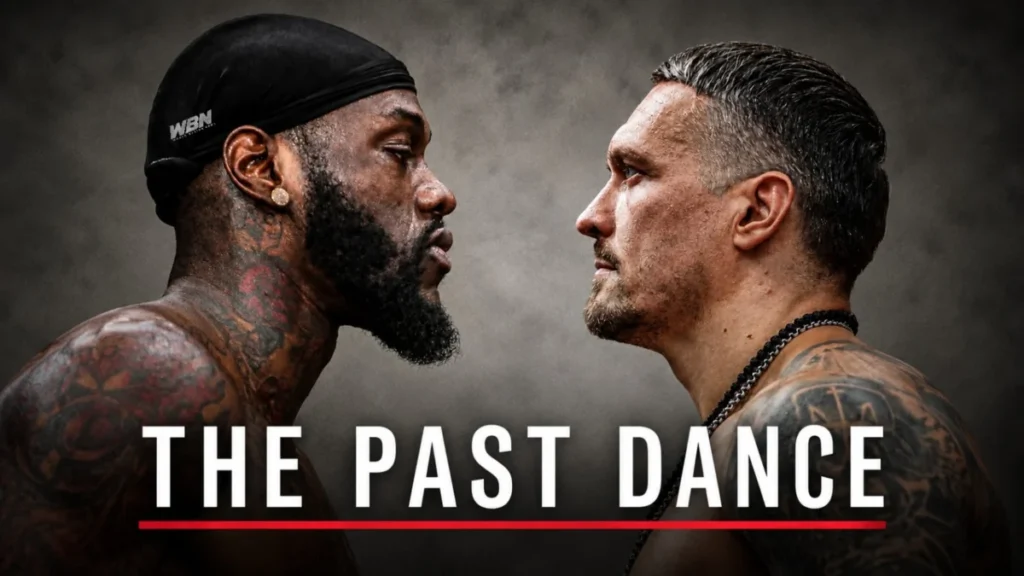
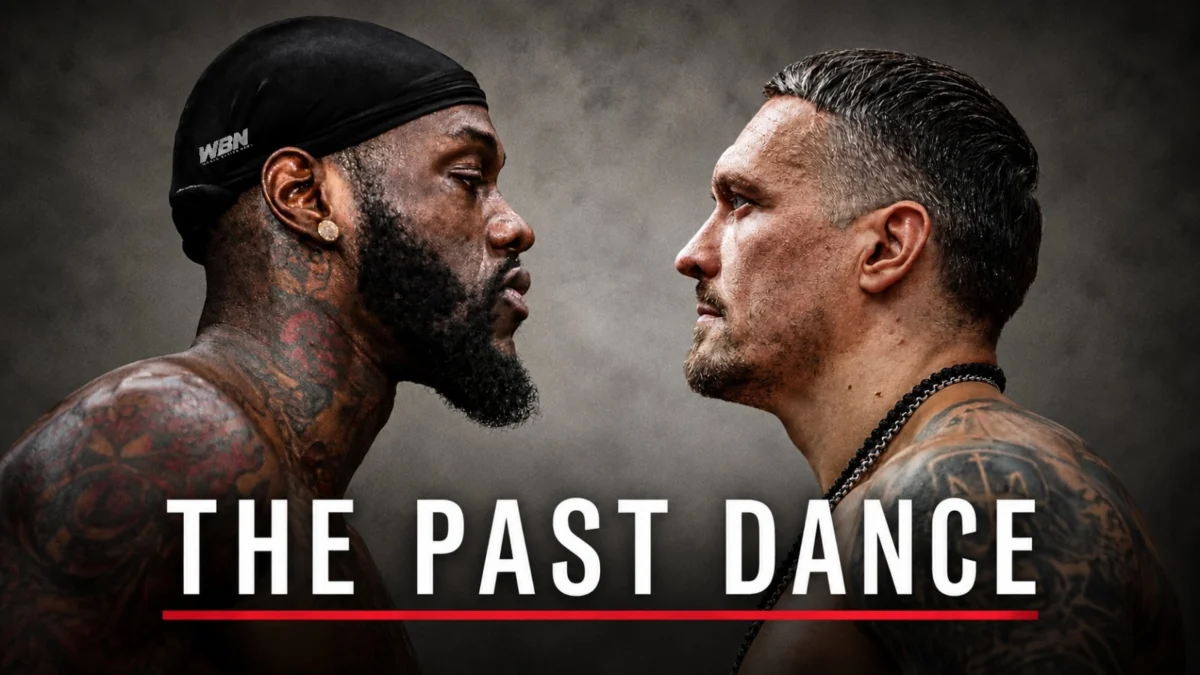
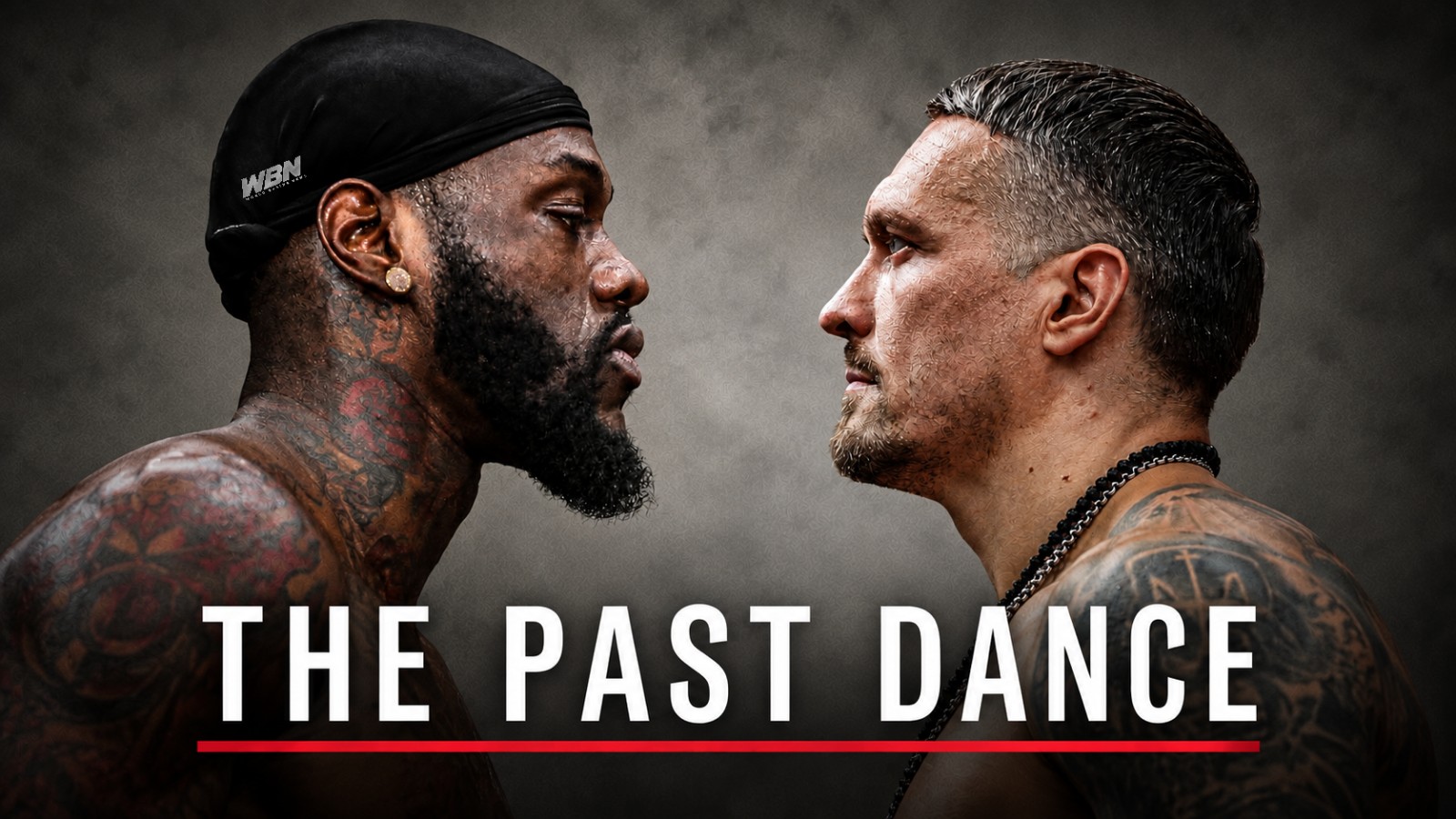
The highly anticipated heavyweight showdown between undefeated king Oleksandr Usyk and long-reigning former WBC champion Deontay Wilder has hit a significant roadblock. After months of speculation surrounding a potential blockbuster fight, financial disagreements have emerged as a primary threat capable of derailing the matchup entirely.
According to Wilder’s manager, Shelly Finkel, negotiations have stalled because Usyk is reportedly demanding a financial package that exceeds what key powerbrokers, including Zuffa Boxing and boxing patron Turki Alalshikh, are prepared to offer. This latest development casts serious doubt on a fight that had previously been targeted to take place in Las Vegas in March 2027.
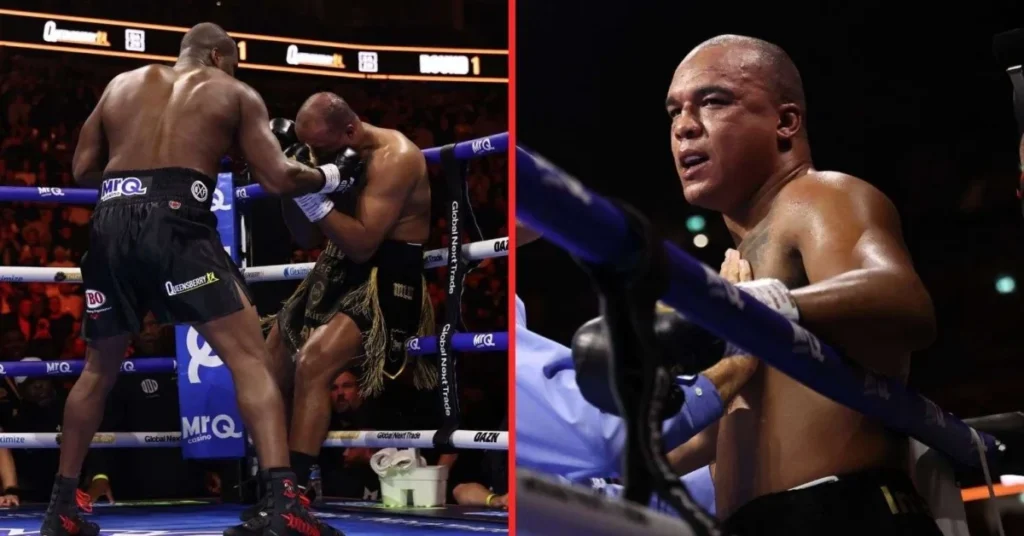
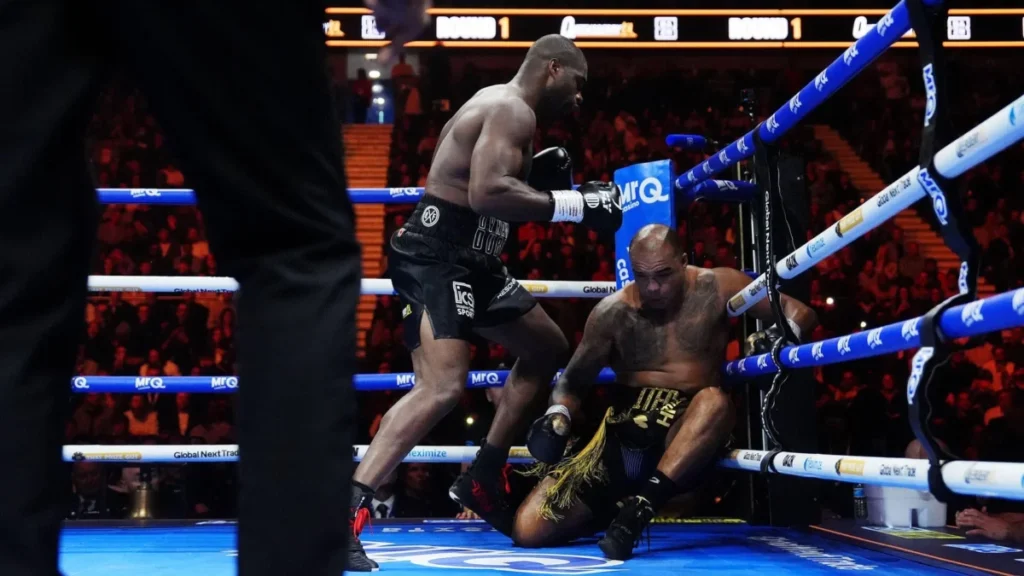
The update regarding the negotiations came to light following discussions between Finkel and the boxing community. Alongside the financial impasse concerning Usyk, Finkel also confirmed that Wilder’s team has received and accepted an offer to step into the ring against Jai Opetaia. The proposed bout would take place in the heavyweight division as part of the undercard for the high-profile Tyson Fury versus Anthony Joshua event scheduled for December 11.
While the matchup with Opetaia has not yet been officially finalized, Wilder’s camp has also explored alternative options, including discussions regarding a potential clash with WBA heavyweight champion Murat Gassiev.
Usyk vs. Wilder Money Dispute
Despite the pessimistic outlook presented by Finkel’s recent remarks, industry observers note that his comments should not necessarily be taken as the definitive end for Usyk versus Wilder. Over the years, long-standing industry relationships and negotiations involving Finkel and Wilder have frequently demonstrated a remarkable resilience. There have been numerous past instances where both parties remained open to dialogue and successfully revived discussions even when a proposed fight appeared to be completely off the table.
Nevertheless, if Wilder ultimately chooses to sign and proceed with the Opetaia fight on the upcoming Fury-Joshua undercard, the path toward a meeting with Usyk would face an immediate and formidable barrier. Taking on Opetaia represents a considerable risk for the American puncher. As the lineal cruiserweight champion moving up in weight, Opetaia is a dangerous and elite operator, meaning Wilder would enter the contest far from guaranteed to secure victory as the betting favorite.
A defeat at this stage of his career could effectively extinguish any remaining hopes of securing a mega-fight against Usyk, particularly given that the Ukrainian champion is rapidly approaching the twilight of his illustrious professional career. Conversely, should Wilder successfully navigate the threat posed by Opetaia, a victory could serve as the catalyst needed to bring Alalshikh and Dana White back to the negotiating table with enhanced financial incentives. Industry insiders have long speculated that a bout between Usyk and Wilder could serve as the marquee event to crown the inaugural Zuffa heavyweight champion.
To date, neither Usyk nor his representatives have publicly disclosed specific figures regarding his financial demands, nor have they issued a public response to Finkel’s account of the stalled talks.
The Last Dance in Doubt
The current friction represents a stark and sudden reversal from the positive momentum enjoyed late last year. Earlier, Las Vegas emerged as the leading candidate to host the Usyk-Wilder clash in March 2027, generating widespread excitement across the sport. The prospect of organizing the bout under the newly established Zuffa banner had also been discussed directly with UFC and Zuffa head Dana White, who repeatedly maintained a receptive stance by stating that "anything is possible" when questioned about the feasibility of bringing Usyk and Wilder together.
Promoter Eddie Hearn had also publicly backed Wilder as the most logical and likely final opponent for Usyk. These projections gained traction after the unbeaten Ukrainian made the bold decision to vacate his various sanctioning body world championships, effectively freeing himself from mandatory defense obligations.
Reflecting on Usyk’s strategic maneuvering earlier this year, Hearn outlined how the pound-for-pound star intended to navigate the final chapter of his career. "He’s going to fight Wilder next, I believe. That’s just the fight that he wants to take," Hearn remarked in June, detailing how Usyk planned to survey the landscape after shedding his promotional and divisional constraints. "He’ll just go to all bidders, and he’ll say, ‘Where’s the most amount of money I can get for that fight?’ And that’ll be him done."
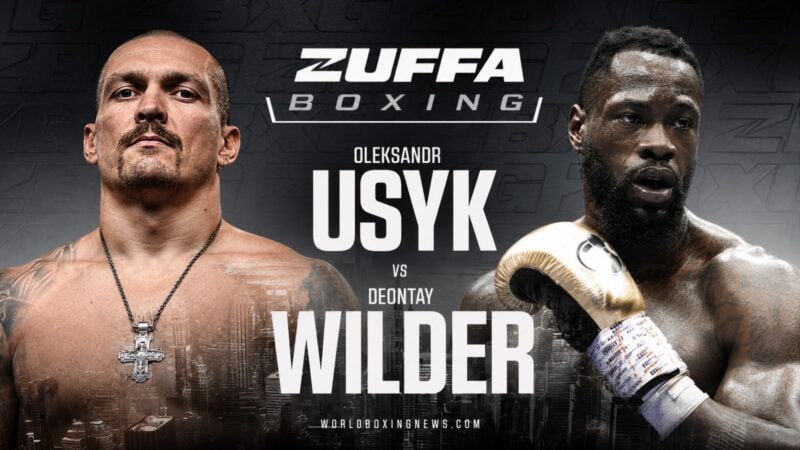
By relinquishing his heavyweight belts, Usyk aimed to orchestrate his farewell appearance entirely on his own terms. Ironically, those very terms have now materialized as the most significant hurdle in making the dream fight a reality—a matchup that Usyk has actively pursued since 2020.
Wilder’s Heavyweight Gamble
Wilder now finds himself at a critical crossroads, facing a career-defining decision that will likely dictate whether his long-discussed meeting with Usyk ever materializes. Opting to face Opetaia means accepting the immediate risk of a devastating setback against a formidable opponent rather than exercising patience while backroom negotiations with Usyk’s team potentially find a way forward.
This dynamic leaves Finkel’s recent statements open to multiple interpretations, particularly when viewed through the lens of his extensive history in high-stakes boxing politics. Having tracked Usyk’s multi-year pursuit of the former WBC titleholder, the boxing community has witnessed numerous twists and turns in what was once envisioned as the definitive "last dance" for two defining figures of the modern heavyweight era.
If Wilder ultimately commits to the Opetaia bout, the long-awaited showdown with Usyk risks becoming a historic missed opportunity. Should he stumble against the Australian standout, Wilder would find himself forced to rebuild through another grueling gauntlet before any farewell clash with the Ukrainian champion could realistically return to the negotiating table.