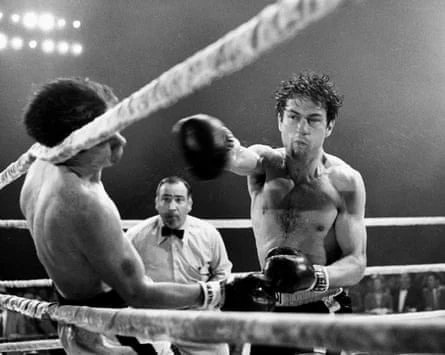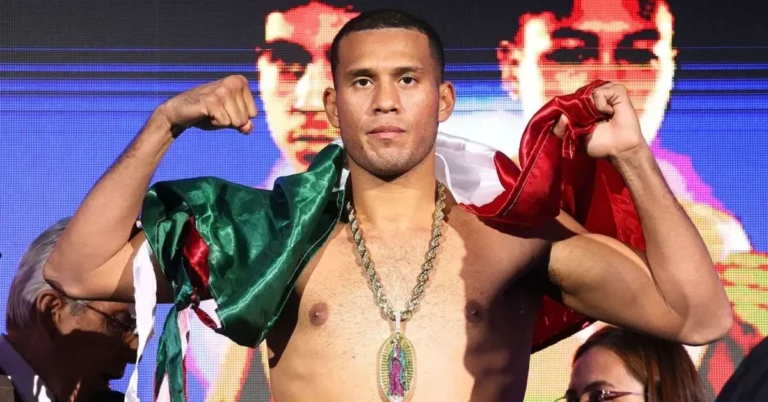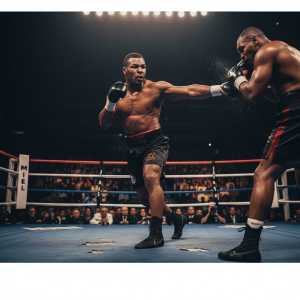
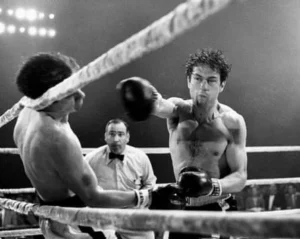


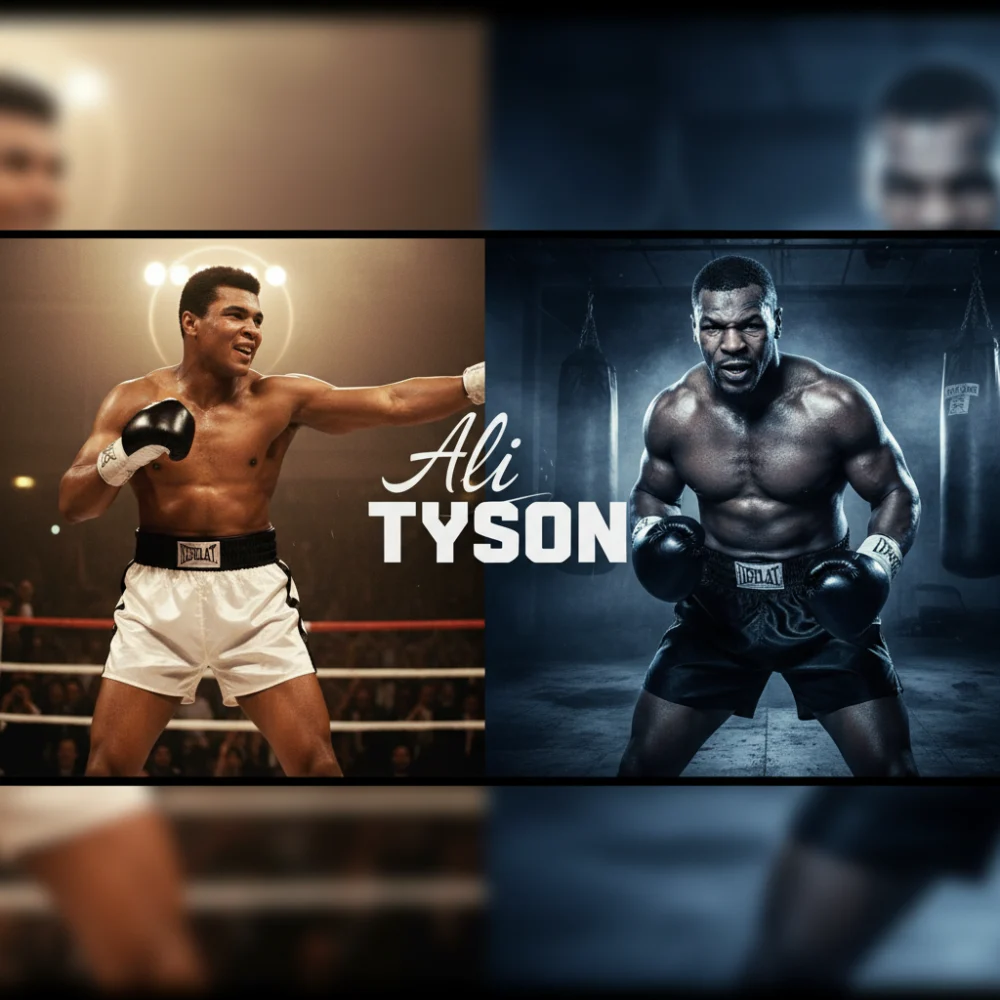
The history of heavyweight boxing is often viewed through the lenses of its most luminous stars, yet no two figures loom larger than Muhammad Ali and Mike Tyson. While both held the world championship and captivated global audiences, they represented fundamentally different philosophies of the “Sweet Science.” Ali was the poetic pugilist, a master of movement and charisma, while Tyson was the personification of raw, kinetic energy and intimidation. Understanding their greatness requires looking beyond their records and into the cultural impact they left behind.
The Grace of the Greatest: Muhammad Ali
Muhammad Ali brought an unprecedented level of athleticism to the heavyweight division. Before Ali, heavyweights were expected to be lumbering giants who traded heavy blows. Ali shattered this mold with his incredible footwork, often described as a “dance.” His ability to “float like a butterfly and sting like a bee” was not just a catchy slogan; it was a tactical revolution that frustrated opponents who could not land a clean shot on the elusive champion.
The Ferocity of Iron Mike: Mike Tyson
In stark contrast, Mike Tyson’s arrival in the mid-1980s signaled a return to primal aggression, albeit refined by the Peek-a-Boo style taught by Cus D’Amato. Tyson did not dance; he hunted. Standing shorter than most of his opponents, he used explosive speed and a low center of gravity to close the distance, delivering hooks and uppercuts that seemed to carry the weight of a freight train. His aura of invincibility was built on the rapid destruction of his adversaries.
The psychological approach of these two legends was equally divergent. Ali used his mouth as a weapon, employing trash talk and poetry to get inside his opponents’ heads long before the first bell rang. He aimed to make them angry, causing them to lose their discipline. Tyson, conversely, used silence and a cold, predatory stare. He wanted his opponents to feel a sense of impending doom, often winning fights in the dressing room through sheer intimidation.
Technical Mastery and Defensive Brilliance
While Ali is remembered for his offense, his defensive capabilities were legendary. He utilized the “Rope-a-Dope” strategy against George Foreman, demonstrating an incredible chin and the ability to absorb punishment while waiting for his opponent to tire. His reflexes allowed him to lean back and evade punches by fractions of an inch, a dangerous game that only someone with his elite timing could play successfully.
Tyson’s defense was equally specialized but focused on constant head movement. He was rarely a stationary target, bobbing and weaving to create angles for his counter-attacks. This “defense through offense” meant that even when he was moving away from a punch, he was setting up a devastating knockout blow. His ability to slip a jab and return with a right cross remains a textbook example of aggressive counter-punching.
Cultural Impact and Social Legacy
Ali’s greatness transcended the ring, making him a global icon for civil rights and religious freedom. By refusing to serve in the Vietnam War, he sacrificed the peak years of his career for his principles. This act of defiance transformed him from a sports star into a symbol of resistance and social justice, ensuring his name would be etched in history books far beyond the sports section.
Tyson’s legacy is more complicated, reflecting the grit and turmoil of the late 20th century. He was the “Baddest Man on the Planet,” a title that resonated with a generation looking for an anti-hero. His rise from the streets of Brownsville to the pinnacle of wealth and fame, followed by his public struggles, made him a figure of intense fascination. Tyson represented the raw, unfiltered reality of the American Dream and its potential for both triumph and tragedy.
The Evolution of the Heavyweight Style
The influence of these two fighters can be seen in every heavyweight that followed. Ali paved the way for the “mobile heavyweight,” influencing fighters like Larry Holmes and even modern champions like Tyson Fury. Tyson, on the other hand, set the standard for the “explosive power puncher,” a mold that many have tried to replicate but few have mastered with the same level of technical proficiency.
Distinctive Fighting Attributes
- Ali’s Key Attributes: Incredible stamina, psychological warfare, and elite lateral movement that allowed him to control the pace of any fight.
- Tyson’s Key Attributes: Explosive power, compact defense, and unmatched hand speed for a heavyweight, designed to end fights early.
The Mentorship Factor
Both fighters were products of unique mentorships. Ali worked with Angelo Dundee, a master tactician who knew how to manage Ali’s flamboyant personality and maximize his physical gifts. Tyson was the protégé of Cus D’Amato, who acted as a father figure and a psychological architect, building Tyson into a weapon designed to exploit the fears of his opponents.
When analyzing their careers, the “what if” scenarios often arise. A hypothetical matchup between a prime Ali and a prime Tyson remains the ultimate debate among boxing historians. Ali’s reach and jab would have been his primary tools to keep Tyson at bay, while Tyson would have needed to breach Ali’s perimeter to land his signature combinations. It is a battle between the ultimate “out-boxer” and the ultimate “swarmer.”
Longevity and Public Perception
The longevity of their influence is also noteworthy. Ali’s comeback after his exile solidified his status as a warrior who could overcome any obstacle. Tyson’s second act in life, transitioning from a feared fighter to a beloved media personality and entrepreneur, shows a different kind of resilience. Both men proved that their identities were not solely defined by the punches they threw.
The Two Faces of Greatness
In the end, Ali and Tyson represent the two faces of boxing greatness: the Idealist and the Realist. Ali showed us what boxing could be at its most beautiful and principled. Tyson showed us the raw, terrifying power of the human spirit when pushed to its limits. They are the yin and yang of the heavyweight division, each incomplete without the context of the other.
Whether you prefer the poetic brilliance of Muhammad Ali or the destructive force of Mike Tyson, there is no denying that both men changed the world. They did not just win titles; they defined eras. Their stories continue to inspire new generations of athletes, proving that in the ring, as in life, there are many paths to immortality. Boxing would not be the global phenomenon it is today without the contributions of these two titans.