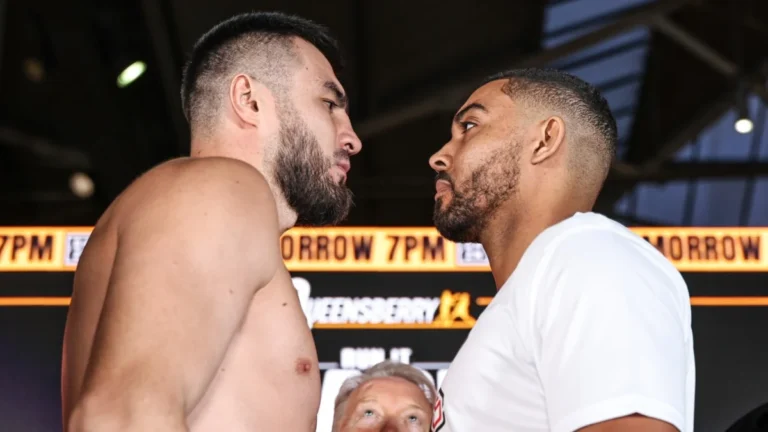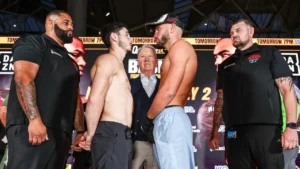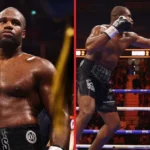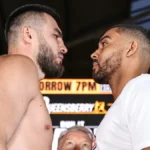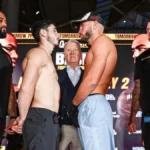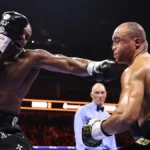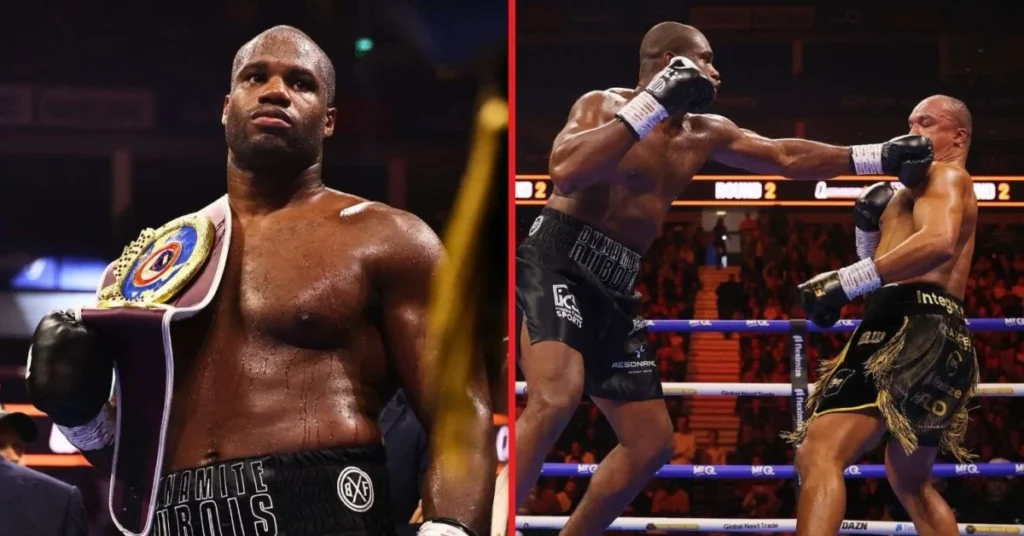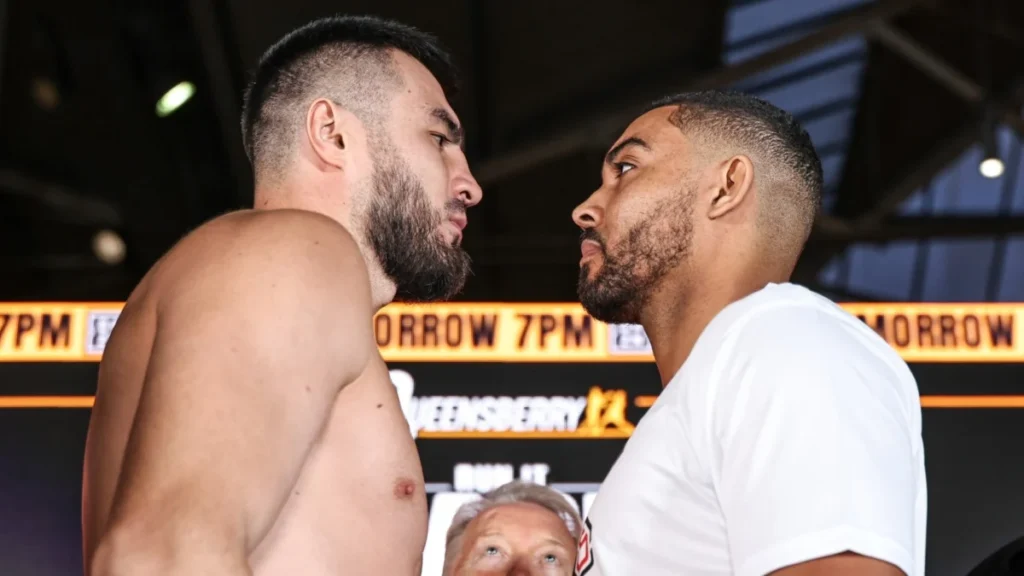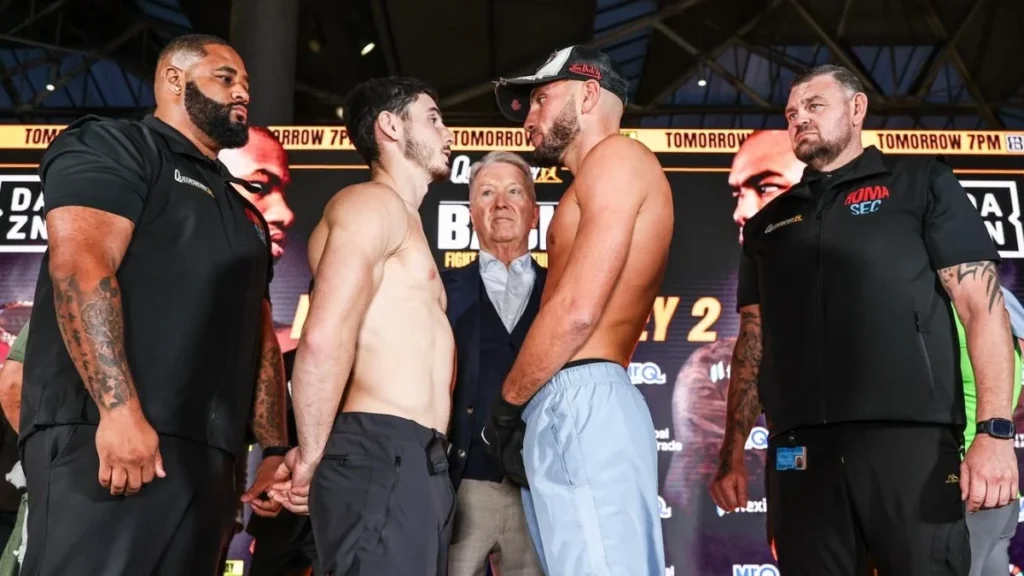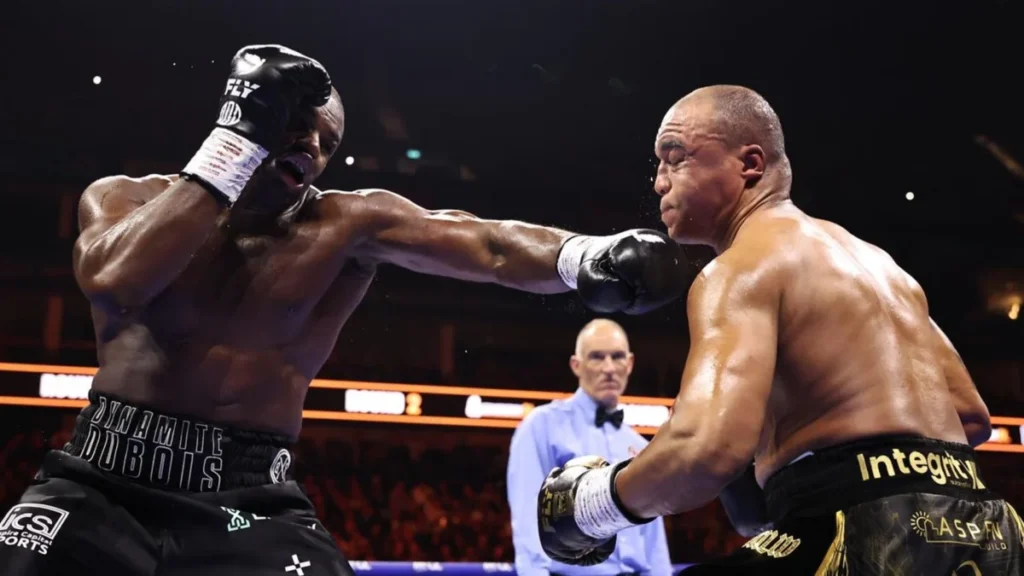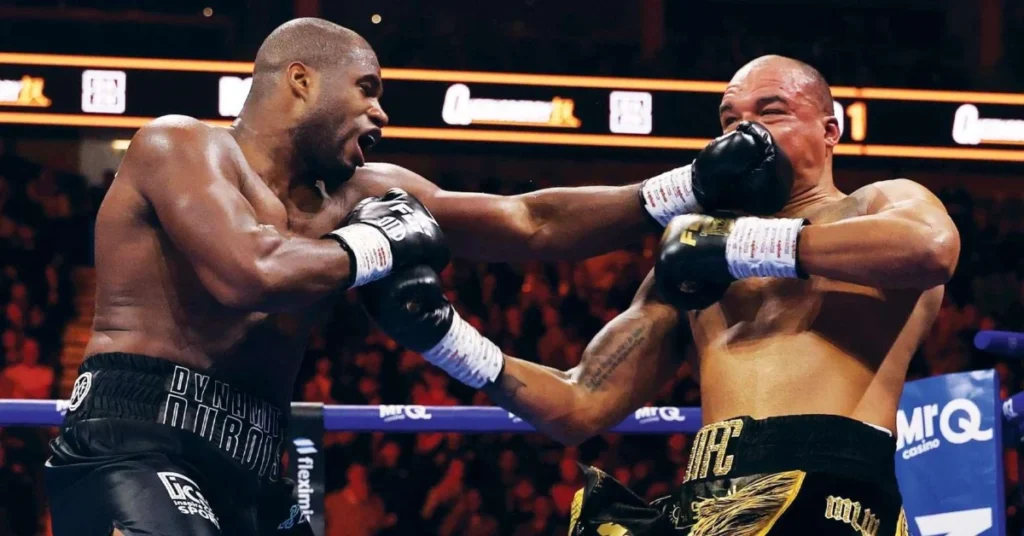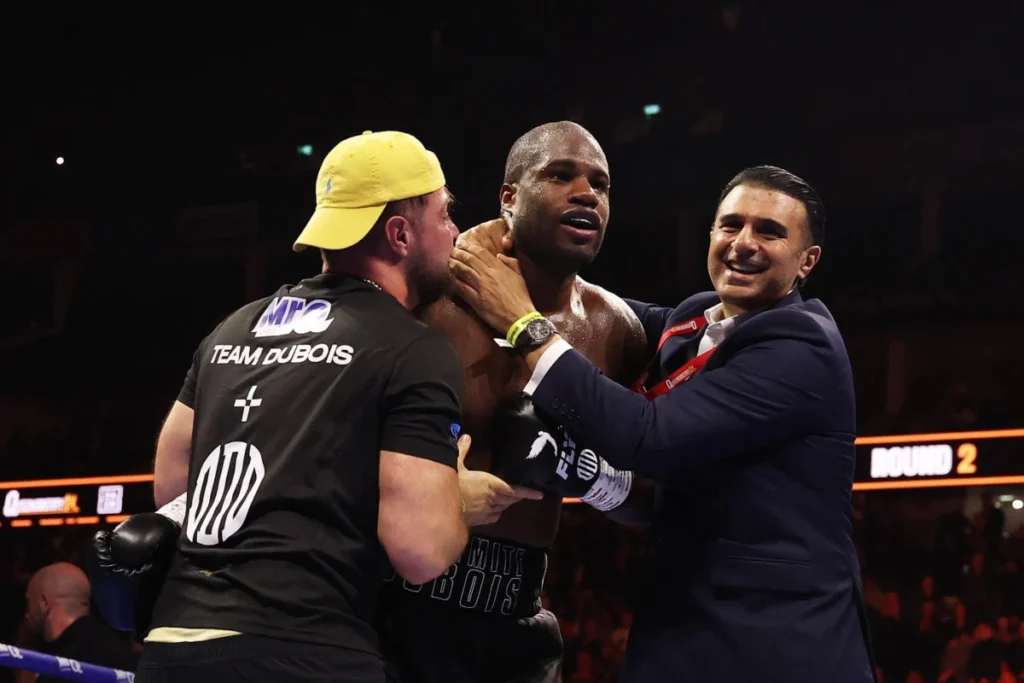
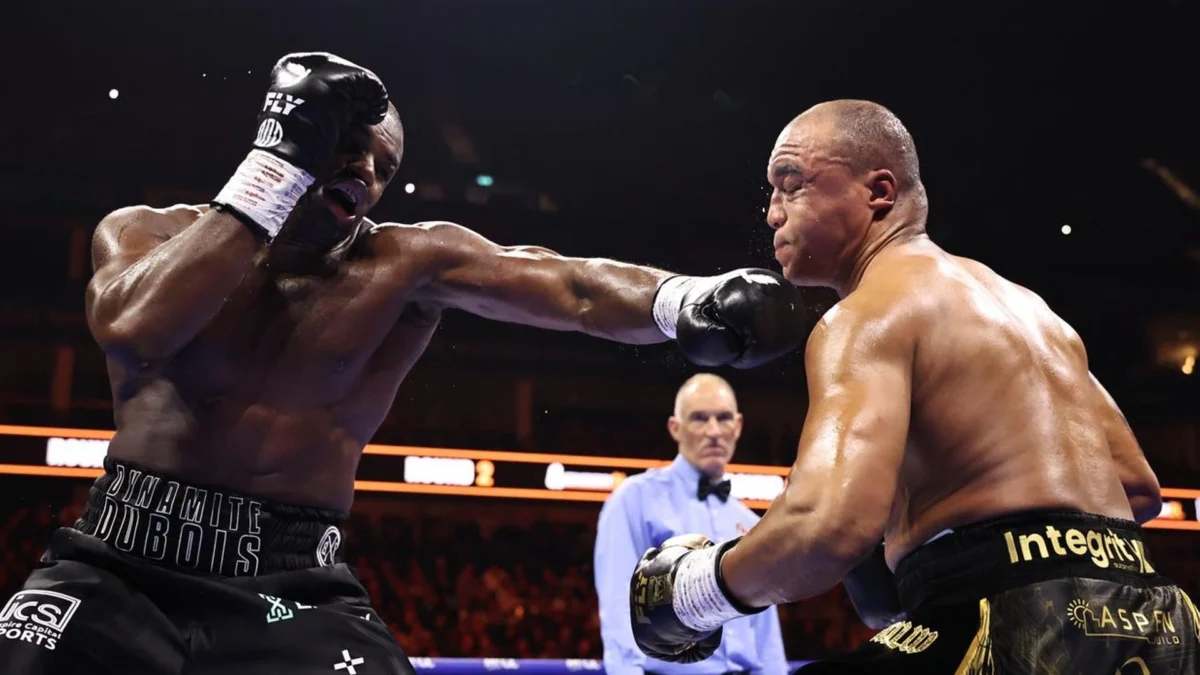
London’s O2 Arena became the center of the boxing world on Saturday evening, October 17, 2026, as fierce British heavyweight rivals Daniel Dubois and Fabio Wardley stepped back into the ring for a highly anticipated rematch. Returning to the site of some of the sport’s most memorable domestic showdowns, the two heavyweights reignited a rivalry born out of sheer grit, dramatic knockdowns, and an unrelenting display of power. With thousands of passionate fight fans packing the Greenwich venue to capacity and sports enthusiasts across the United Kingdom following live updates as the action unfolded, the encounter carried immense professional stakes and personal pride for both men. The atmosphere inside the arena was electric from the moment the doors opened, reflecting the deep intrigue surrounding a second chapter between two of the country’s most formidable big men.
The foundation for Saturday night’s rematch was laid in their dramatic initial encounter, a fight that immediately etched itself into recent boxing lore as an instant classic. In that thrilling first bout, Dubois and Wardley engaged in a grueling war of attrition that pushed both athletes to their absolute physical and mental limits. The action was defined by wild momentum swings and breathtaking violence, captivating audiences as both men exchanged heavy artillery from the opening bell. It was a contest that tested not only the technical skills of both heavyweights, but also their heart, iron determination, and willingness to endure severe punishment in pursuit of victory.
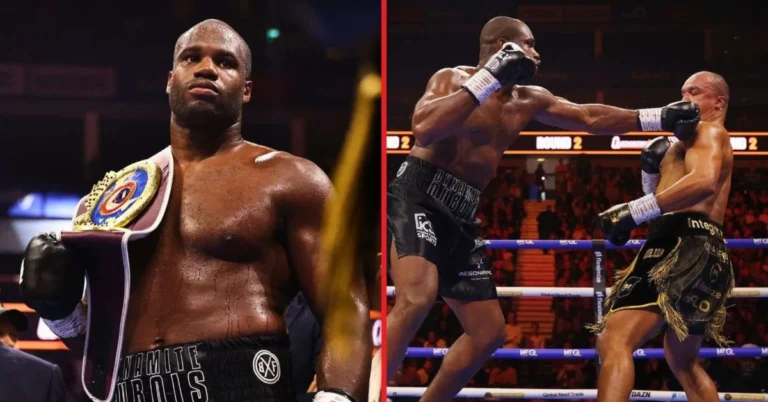
That original clash provided one of the most remarkable comeback stories in recent heavyweight history, highlighting the fine margin between triumph and defeat at the sport’s highest level. Early on, Wardley seized control with explosive power, landing crushing strikes that sent Dubois to the canvas on two separate occasions. With Dubois visibly hurt and struggling to regain his footing, many observers believed the fight was on the verge of being stopped in Wardley’s favor. The sheer force of Wardley’s attacks demonstrated the lethal danger he presents to anyone in the division, leaving Dubois in perilous territory early in the fight and forcing him to rely on pure instinct and survival mechanisms to remain in the contest.
However, what followed proved to be a defining moment in Daniel Dubois’s career. Demonstrating extraordinary resilience and resolve, Dubois managed to clear his head, climb off the canvas both times, and weather the formidable storm unleashed by his opponent. As the bout progressed into the later rounds, Dubois gradually recalibrated his offense, using his powerful jab to establish range and steadily wearing down Wardley with heavy, calculated right hands. By the time the fight reached the 11th round, the tide had completely turned. Dubois seized the initiative, trapping a visibly fatigued Wardley and unleashing a decisive barrage of heavy punches that prompted the referee to step in and award Dubois a dramatic 11th-round technical knockout victory.
The nature of that first outcome made an immediate rematch virtually inevitable. While Dubois emerged victorious, the fact that he was knocked down twice left unanswered questions about his defensive vulnerabilities and created an enduring sense of unfinished business. For Wardley, the defeat was bitter, having come so close to securing a career-defining stoppage victory before exhaustion and Dubois’s rallying power overtook him in the championship rounds. Consequently, the announcement of the rematch at The O2 was met with overwhelming enthusiasm from fans and pundits, all eager to see how both fighters would adapt to the lessons learned from their first brutal encounter.
Heading into Saturday’s main event, Dubois carried both the momentum of his previous victory and the heavy responsibility of proving that his comeback win was no fluke. Having proven his ability to overcome adversity under the bright lights, Dubois entered the ring with newfound authority and confidence. However, his team was acutely aware that stepping back into the ring with a puncher as lethal as Wardley required significant tactical adjustments. The primary objective for Dubois in the build-up to this second fight was to sharpen his defensive guard, avoid getting caught flush in the early stages, and use his superior jab to dictate the pace of the fight rather than relying on another dramatic, late-round rescue effort.
For Fabio Wardley, the rematch presented an invaluable opportunity for career redemption and revenge. Wardley entered the arena knowing that he possesses the natural punching power required to hurt and drop Dubois, a reality that provided a strong psychological boost despite his previous loss. His challenge in this second fight was largely tactical and physical: managing his energy reserves far more effectively across the scheduled 12 rounds. In their first meeting, Wardley expended an immense amount of energy trying to finish Dubois after scoring the early knockdowns, ultimately leaving his gas tank empty when Dubois launched his late-round comeback. To avenge his loss, Wardley needed to demonstrate greater patience, refined ring craft, and defensive discipline, ensuring he did not overcommit and expose himself to Dubois’s heavy counterpunching.
Heavyweight boxing rematches inherently carry a distinct psychological dynamic that sets them apart from first encounters. Unlike their initial bout, where both men had to gauge each other’s speed, power, and timing in real time, the rematch left no room for mystery. Both Dubois and Wardley walked into the ring at The O2 with intimate, painful knowledge of what the other was capable of delivering. Every jab, footwork adjustment, and defensive slip carried added significance, as both corners spent months analyzing tape from the first fight to identify subtle flaws and exploit strategic openings. This familiarity often transforms heavy-hitting rematches into intense tactical chess matches, where the fighter who makes the smarter in-ring adjustments early on usually dictates the outcome.
The significance of this rivalry extends beyond the individual careers of the two fighters, fitting squarely into the long and storied tradition of British heavyweight boxing. For decades, the British domestic circuit has produced iconic heavyweight rivalries that captured the public imagination and propelled local fighters onto the international stage. Showdowns at landmark venues like The O2 Arena serve as a proving ground where national supremacy is contested in front of some of the most vocal and passionate fans in world sport. The roar of the London crowd on Saturday night underscored the special place that domestic heavyweight clashes hold in the nation’s sporting culture, with spectators split in their allegiance as the two big men traded blows.
As the live updates streamed out from The O2 throughout Saturday evening, the dramatic narrative of Dubois versus Wardley 2 continued to captivate the boxing community. The high-stakes environment left zero room for error for either competitor, as a victory would cement the winner’s position at the top tier of the division and pave the way for future high-profile bouts on the world stage. Conversely, a loss would represent a severe setback, forcing the defeated fighter to rebuild his standing in a brutally competitive weight class. The extreme pressure on both men guaranteed an intense, drama-filled evening from the walkouts to the final bell.
As the drama unfolded in Greenwich, the rematch between Daniel Dubois and Fabio Wardley lived up to its immense pre-fight billing, serving as a masterclass in heart, power, and high-stakes athletic competition. Whether analyzing Dubois’s remarkable capacity to recover and strike with closing force or Wardley’s explosive power and relentless ambition, the rivalry between these two British heavyweights has provided the sport with some of its most compelling moments in recent memory. As the final notes of fight night rang out across London, the clash at The O2 confirmed once again that when two top-tier British heavyweights meet with everything on the line, the result is an unmissable sporting spectacle that resonates far beyond the confines of the ring.