The Human Element Behind the Gloves
Boxing is more than just a sport; it is a narrative of human struggle, triumph, and often, profound misunderstanding. While fans see the glitz of the championship belts and the brutality of the knockouts, the men behind the gloves are frequently reduced to simplistic caricatures by the media and public perception. To truly understand boxing history, one must peel back the layers of these manufactured personas to find the complex individuals beneath.
The Trailblazing Defiance of Jack Johnson
Jack Johnson, the first African American heavyweight champion, is often remembered simply for the controversy he sparked in the early 20th century. However, his legacy is deeply misunderstood if viewed only through the lens of racial tension. Johnson was a technical genius in the ring, utilizing a defensive style that was decades ahead of its time. His defiance was not merely for show; it was a necessary survival mechanism in an era that demanded his subservience. By refusing to play the role of the ‘humble’ athlete, he paved the way for future generations to express their true selves.
Muhammad Ali: More Than a Fast Talker
Muhammad Ali is globally revered today as a symbol of peace and justice, but during his prime, he was one of the most hated men in America. Many misunderstood his refusal to serve in the Vietnam War as cowardice or lack of patriotism. In reality, Ali’s stance was a deeply principled religious and social conviction.
- He sacrificed his peak physical years for his beliefs.
- He challenged the status quo of the ‘quiet athlete.’
- He used his platform for global humanitarian efforts long before it was fashionable.
The Complexity of Mike Tyson
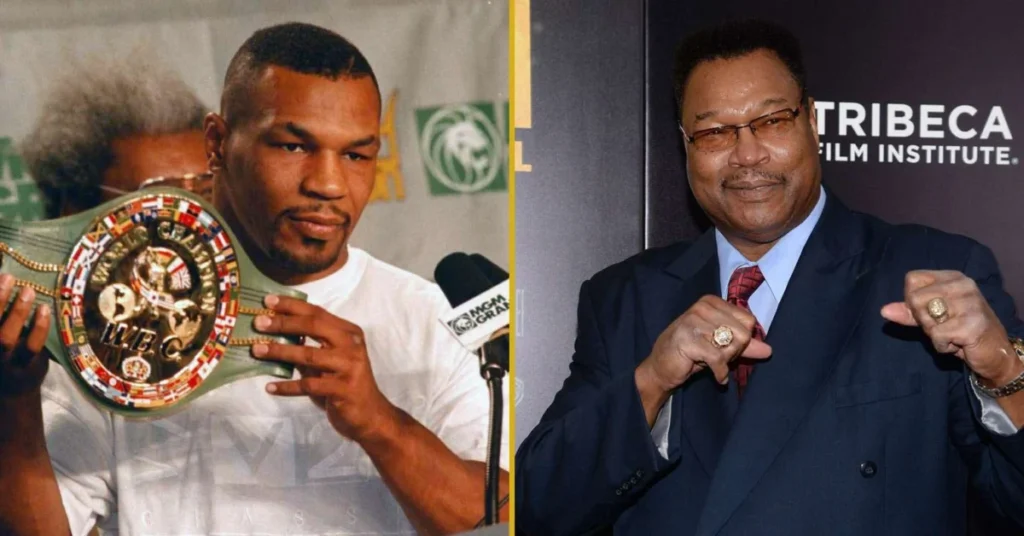
Mike Tyson is frequently labeled as the ‘Baddest Man on the Planet,’ a title that highlights his ferocity but ignores his profound vulnerability. Beneath the intimidating exterior was a disciplined student of boxing history, mentored by the legendary Cus D’Amato. The common narrative often ignores how his personal traumas and the lack of a stable support system after D’Amato’s death contributed to his professional and personal decline. Tyson was not just a ‘destroyer’; he was a product of a specific, high-pressure environment that eventually imploded.
Sonny Liston and the Shadow of the Mob
Sonny Liston is perhaps the most tragic figure in boxing. Often dismissed as a ‘mob-controlled thug,’ Liston was a man of immense talent who never found true acceptance. His intimidating presence was a mask for a man who struggled with literacy and a deep-seated desire for respect. The ‘Phantom Punch’ in his second fight with Ali further clouded a legacy that deserved recognition for its sheer physical dominance and technical proficiency as a heavyweight champion.
Roberto Duran: Beyond ‘No Mas’
Roberto Duran’s career is often unfairly condensed into two words: No Mas. To judge a man with over 100 professional wins and titles in four weight classes by a single moment of frustration in New Orleans is a disservice to boxing history. Duran was a master of ‘infighting’ and possessed a tactical mind that rivaled any of the ‘Four Kings.’ His longevity and ability to adapt his style as he aged are often overlooked in favor of his most infamous defeat.
Floyd Mayweather Jr. and the Villain Persona
Floyd ‘Money’ Mayweather is often criticized for his defensive style and flamboyant lifestyle. However, this persona was a calculated marketing strategy. By embracing the role of the ‘villain,’ Mayweather became the highest-paid athlete in the world. Misunderstanding his ‘boring’ style misses the point of boxing: to hit and not get hit, a craft he perfected to an unprecedented level. His business acumen was just as sharp as his shoulder roll, changing how modern boxers handle their own promotion.
Larry Holmes: Living in Ali’s Shadow
Larry Holmes suffered the misfortune of following the most charismatic champion in history. Fans misunderstood his technical excellence as a lack of excitement. Holmes possessed arguably the greatest left jab in heavyweight history, yet he spent much of his career fighting for the validation that should have been granted to him automatically after defending his title 20 consecutive times. He was a blue-collar champion in an era that wanted a superstar.
The Two Faces of George Foreman
The public often splits George Foreman into two different people: the surly powerhouse of the 70s and the smiling grill salesman of the 90s. This simplistic view ignores the internal transformation Foreman underwent. His comeback wasn’t just about money; it was a quest for redemption and a demonstration that age is a secondary factor to willpower and strategic adjustment. The ‘Old George’ was not a replacement for the ‘Young George’ but an evolution of the same disciplined spirit.
Sugar Ray Leonard: The Ruthless Tactician
Sugar Ray Leonard was the ‘golden boy’ with a million-dollar smile, but this image masked a ruthless competitive streak. Critics often misunderstood his selective matchmaking as dodging opponents, when in fact, it was a display of high-level sports psychology and business acumen. Leonard understood the value of his own health and brand, setting a precedent for the modern era of boxing where fighters exert more control over their careers.
Joe Frazier: The Heart of Philadelphia
Joe Frazier is often remembered primarily as the foil to Muhammad Ali. Because Ali was so vocal, Frazier was unfairly cast as the ‘establishment’ fighter or even worse labels. In truth, Frazier was a man of immense integrity and physical courage who felt deeply betrayed by Ali’s verbal assaults. People often forget that Frazier actually supported Ali financially during Ali’s exile from boxing, showing a level of character that the public rarely saw.
Bernard Hopkins: The Executioner’s Longevity
Bernard Hopkins was often misunderstood as a ‘dirty’ fighter. While he certainly used every veteran trick in the book, his success well into his late 40s was the result of a monastic lifestyle and an analytical approach to the ‘sweet science.’ He proved that craftiness and discipline could overcome the advantages of youth, changing the perception of what an ‘old’ fighter could achieve at the highest levels of the sport.
Ezzard Charles: The Unappreciated Master
Ezzard Charles is rarely mentioned in the same breath as Ali or Louis, yet he defeated Joe Louis and defended the heavyweight title multiple times. He was misunderstood because he wasn’t a ‘puncher’ in a division that craved spectacular knockouts. His technical brilliance as a ‘Cobra’ was often too subtle for the casual observer of the time, leading to a legacy that is criminally underrated by modern fans.
The Role of Media in Shaping Legacies
The misunderstanding of these legends is often a product of the media’s need for a compelling, digestible narrative. Boxers are forced into roles—the hero, the villain, the victim—that rarely capture the full spectrum of their humanity. Understanding boxing history requires looking past the headlines and analyzing the socio-political context of each era. When we do this, we see that these athletes were often fighting much larger battles outside the ring than they ever did inside of it.
Conclusion: Re-evaluating the Greats
To truly appreciate the legends of the ring, we must look beyond the simplified versions of their stories. These men were complex individuals navigating a brutal sport and an often unforgiving public eye. By re-evaluating their careers with a more nuanced perspective, we gain a deeper respect for the physical and mental fortitude required to become a legend in the hardest sport in the world. Their true legacies are found not just in their records, but in their resilience against a world that often misunderstood them.