

The arrival of Mike Tyson in the mid-1980s represented more than just a new contender in the heavyweight division; it was a seismic shift in the cultural and commercial identity of professional boxing. Before Tyson, the heavyweight landscape was often characterized by methodical, tall, and sometimes lumbering athletes who relied on traditional boxing clinches and long-range jabs. Tyson, under the tutelage of Cus D’Amato, introduced a brand of violence that was as aesthetically terrifying as it was technically proficient, forever changing how fans and promoters viewed the sport.
The Aesthetic of Intimidation
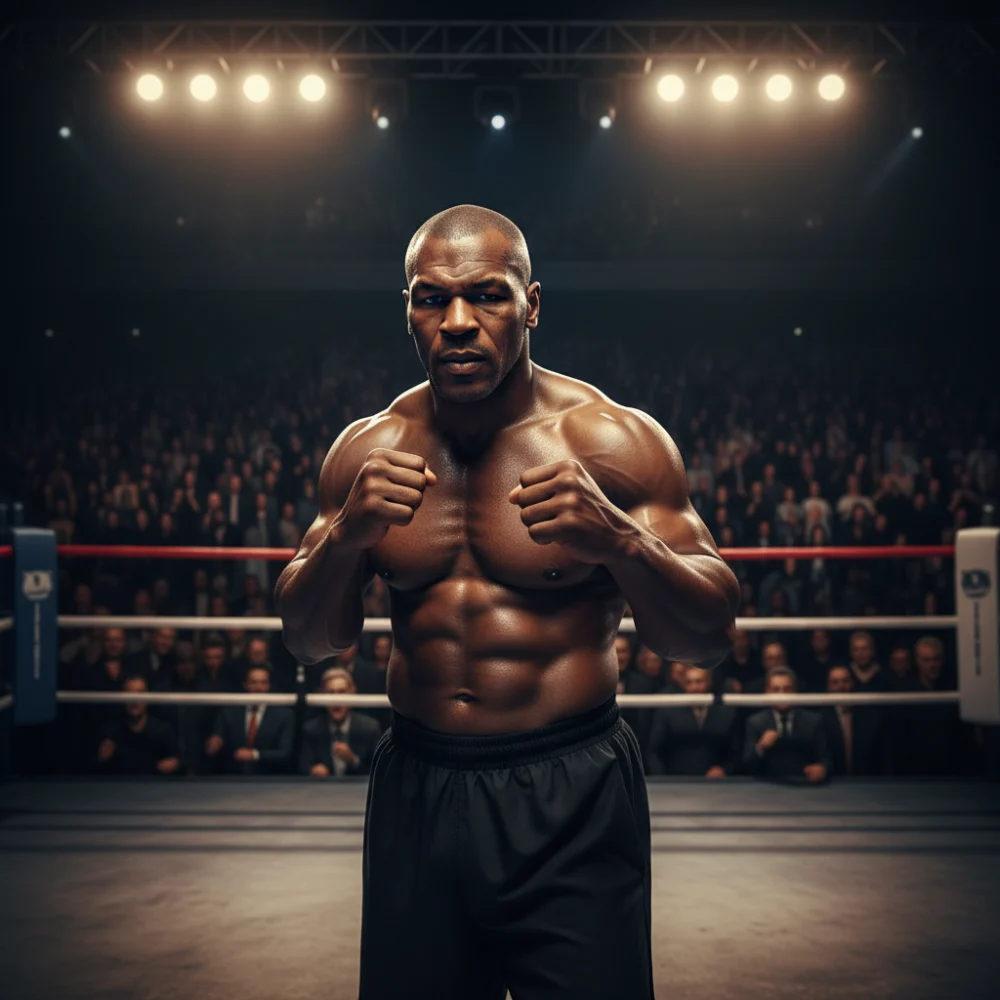
One of the most profound ways Tyson reshaped the heavyweight image was through his minimalist aesthetic. In an era of flamboyant robes and colorful trunks, Tyson entered the ring wearing plain black trunks, black shoes, and no socks. This spartan appearance stripped away the pageantry of boxing, signaling to the opponent and the audience that they were about to witness a primal struggle rather than a choreographed show. This image of the ‘Baddest Man on the Planet’ became a marketing goldmine, proving that raw intensity could be more captivating than traditional showmanship.
Tyson’s physical presence was further amplified by his unique entrance style. Eschewing traditional upbeat music, he often walked to the ring to the sound of a single, ominous bell or a heavy, rhythmic beat. This psychological warfare started long before the first punch was thrown. By the time Tyson stood across the ring, his opponents were often already defeated mentally, overwhelmed by the aura of invincibility that his image projected.
Revolutionizing the Heavyweight Fighting Style
Technically, Tyson reshaped the division by proving that a shorter man could dominate much larger opponents through speed and leverage. The Peek-a-Boo style, which emphasized constant head movement and explosive counter-punching, turned the heavyweight archetype on its head. Instead of the slow-paced bouts common in the post-Ali era, Tyson brought a frantic, high-octane energy that demanded the viewer’s undivided attention from the opening bell.
This shift in style had several key impacts on the sport:
- Emphasis on Speed: Heavyweights began to prioritize hand speed and explosive footwork over sheer size.
- The End of the Feeling-Out Process: Tyson’s propensity for early knockouts forced opponents to be ready for war from the first second.
- Defensive Innovation: His ability to slip punches while moving forward forced trainers to rethink defensive strategies for larger fighters.
The Birth of the Pay-Per-View Superstar
Tyson was the primary catalyst for the explosion of Pay-Per-View (PPV) as the dominant economic model for boxing. His image was so magnetic that people were willing to pay record-breaking sums to watch a fight that might only last ninety seconds. Promoters realized that a ‘demolition man’ persona was easier to sell to a global audience than a technical master. This realization paved the way for the massive purses and global marketing campaigns seen in the modern era of boxing.
The media played a crucial role in crafting this image. Every press conference and interview was an opportunity to showcase Tyson’s unpredictable and ferocious nature. This unfiltered persona made him a crossover star, appearing in video games, movies, and late-night talk shows, which in turn brought a younger, more diverse demographic to the sport of boxing.
Psychological Warfare as a Tool
Tyson’s image reshaped the heavyweight division by making psychological intimidation a core component of a fighter’s toolkit. He famously stated that he wanted to ‘push the bone into the brain’ of his opponents, a level of verbal aggression that was shocking at the time. This wasn’t just trash talk; it was a calculated effort to dehumanize the opposition and maintain his status as a force of nature rather than a mere athlete.
Impact on Amateur and Professional Training
The success of Tyson led to a generation of young boxers trying to emulate his style. Gyms across the world were filled with teenagers attempting to replicate the vicious hooks and slips that Tyson made famous. While few could match his natural athleticism, his influence led to a broader tactical shift where aggression and ‘killing instinct’ became as valued as technical boxing skill in heavyweight scouting.
Changing the Narrative of the Heavyweight Champion
Before Tyson, the Heavyweight Champion was often seen as a dignified figure, a ‘world ambassador’ of sorts. Tyson broke this mold by being a controversial, flawed, and deeply human figure. His struggles outside the ring, combined with his dominance inside it, created a complex narrative that the public found irresistible. He proved that a champion didn’t need to be a role model to be a global icon; they just needed to be authentic and undeniably powerful.
The Influence on Modern Heavyweights
Modern heavyweights like Deontay Wilder and Francis Ngannou (in his crossover appeal) owe a debt to the image Tyson created. The idea of the ‘one-punch knockout artist’ who carries an air of danger is a direct lineage from the Iron Mike era. Even technical giants like Tyson Fury utilize psychological tactics and persona-building that were pioneered during the 1980s and 90s to keep the heavyweight division in the global spotlight.
Global Market Expansion
Tyson’s image helped boxing break through international barriers more effectively than any fighter before him. His fights were major events in Tokyo, London, and Las Vegas, proving that the language of power was universal. This global reach laid the groundwork for the internationalization of the heavyweight division we see today, with champions emerging from across Europe, Africa, and the Americas.
The Role of Don King and Media Hype
The collaboration between Tyson’s raw talent and Don King’s promotional genius created a blueprint for modern sports marketing. They understood that the ‘villain’ or the ‘unstoppable force’ was a more compelling story than the ‘hero.’ By leaning into Tyson’s troubled past and fearsome reputation, they created a brand that was larger than the sport itself, turning every fight into a ‘must-see’ historical event.
The Legacy of the Short Heavyweight
Tyson effectively ended the myth that a heavyweight had to be a giant to be successful. By utilizing a low center of gravity and incredible core strength, he showed that leverage and timing could overcome height and reach. This has allowed smaller, more compact heavyweights to remain relevant and respected in a division that has progressively trended toward 6’6″ plus athletes.
Conclusion: A Permanent Transformation
In conclusion, Mike Tyson did not just win titles; he redefined the identity of the heavyweight division. Through his minimalist aesthetic, psychological dominance, and explosive fighting style, he transformed boxing into a high-stakes drama that transcended sports. Today, every time a heavyweight walks to the ring with a focused, intimidating glare, or a promoter sells a fight based on raw power rather than points, the ghost of Mike Tyson’s influence is present. He remains the gold standard for how a single image can reshape an entire industry.