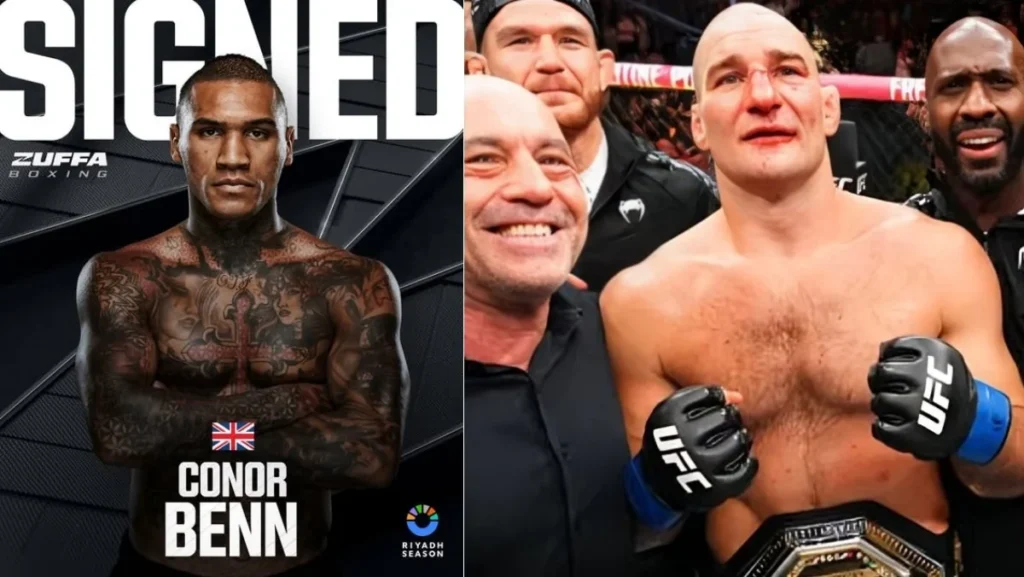

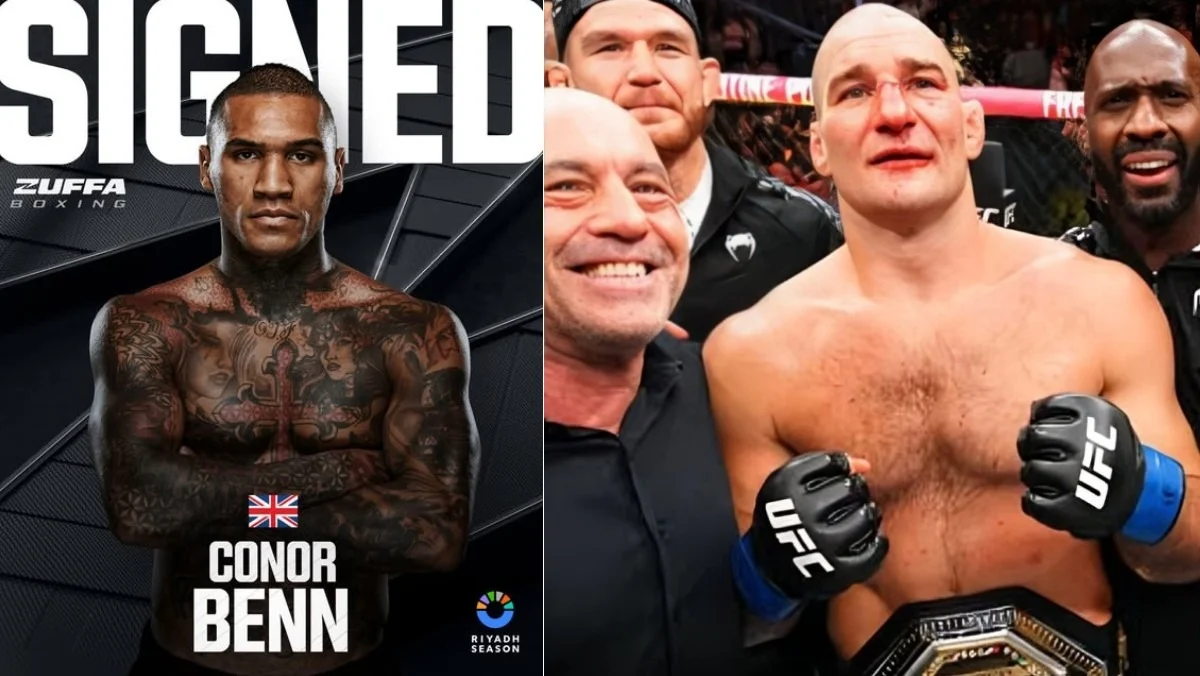
The long-standing debate over fighter compensation in mixed martial arts has once again taken center stage, thrusting Conor Benn’s reported $15 million Zuffa Boxing deal back into the spotlight. The discussion was reignited following public frustrations voiced by UFC star Sean Strickland, who recently threatened to walk away from the promotion over ongoing dissatisfaction with fighter pay.
Fans and observers were quick to draw comparisons, questioning how Dana White and TKO management can orchestrate massive multi-million-dollar paydays for boxing ventures under the Zuffa banner while established UFC fighters continue to publicly dispute their guaranteed purses. This friction highlights a brewing tension within the combat sports landscape—a scenario that industry experts warned was inevitable long before pen was put to paper on Benn’s blockbuster agreement.
Strickland Threatens to Quit Over Pay Frustrations
Sean Strickland did not mince words when expressing his growing disillusionment on social media. His frustration boiled over following negotiations for his next promotional appearance, leading him to publicly question his future with the premier MMA organization.
"I gotta be honest unless things change with the UFC I’m kinda over it," Strickland wrote in a candid post that quickly circulated across combat sports forums. Highlighting the stark disparities within combat sports economics, he added, "McGregor makes 30 million to fight for 30 seconds and they don’t want to pay us a fraction of it."
Strickland went on to voice contemplation regarding his contractual future, suggesting alternative paths that included moving up to the light heavyweight division, fulfilling his current promotional requirements, and potentially pursuing high-profile crossover matches. "Contemplating just going to 205 knocking out my contract and scrapping with Jake Paul. That sounds fun."
While Strickland did not explicitly reference Conor Benn in his remarks, it took very little time for the MMA community to bridge the gap. Social media users and analysts quickly contrasted Strickland’s reported financial tier—with claims that top-tier athletes are being asked to compete for significantly less than a million dollars—against the staggering figures reportedly guaranteed to crossover boxing talent like Benn under the very same corporate umbrella. Whether individual purse figures are exact or subject to contractual confidentiality, the underlying sentiment among fans was unmistakable: audiences are witnessing boxers secure life-changing windfalls under White’s new boxing enterprise while UFC athletes continue to voice deep grievances about their own compensation models.
WBN Warned of the Pay Divide
The friction between boxing payouts and MMA compensation is hardly a sudden development. Months prior to Benn’s official alignment with White, industry warnings were raised regarding the potential for internal dissent among UFC fighters once major boxing purses began flowing from the same leadership.
The consequences of this financial disparity have repeatedly bubbled to the surface. Earlier instances saw fighters publicly pleading for standard $50,000 performance bonuses following spectacular knockout victories, with some athletes revealing the stark financial realities they face despite competing at the highest level of the sport—including family members living in substandard housing conditions.
Other elite competitors have similarly detailed the heavy financial burdens that accompany a professional fight camp. Expenses such as income taxes, management cuts, coaching staff salaries, and medical testing can quickly deplete an athlete’s earnings. As top contenders have noted, months of rigorous physical preparation can ultimately yield minimal net returns, leaving athletes heavily reliant on external sponsorships just to maintain financial stability.
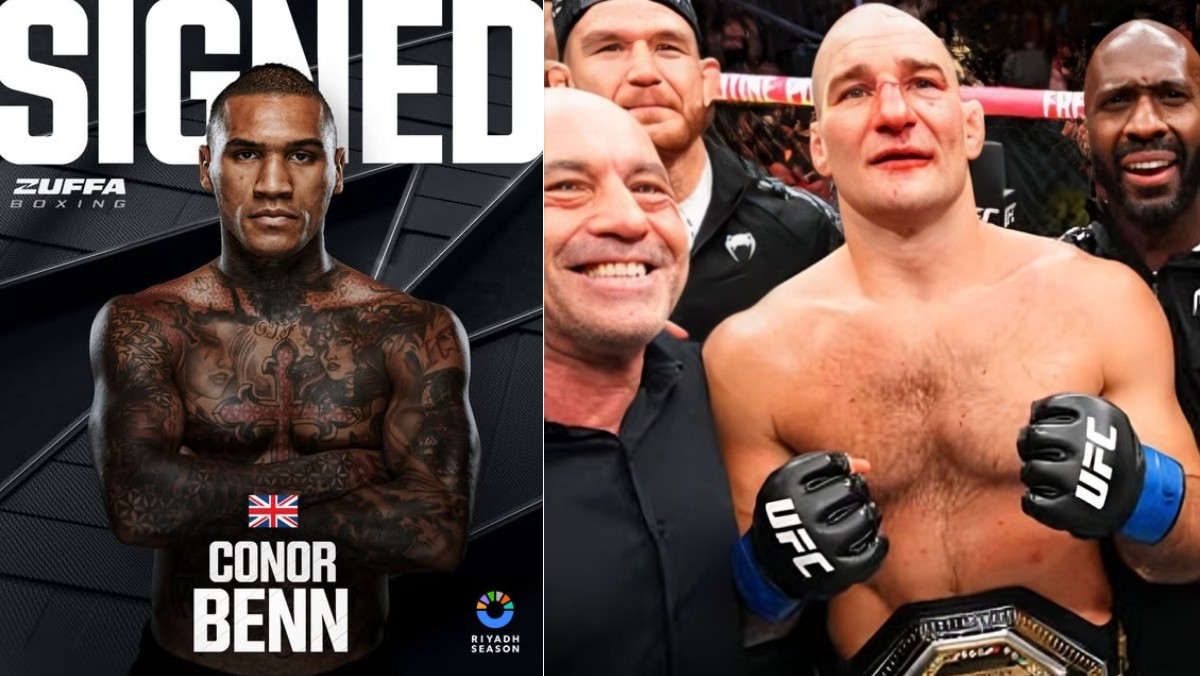
Despite these well-documented fiscal pressures, Benn transitioned from Matchroom Boxing to secure a landmark agreement with Zuffa, initially reported around $15 million for a single appearance before evolving into an upgraded, multi-fight pact. While financial backers—specifically Saudi-backed entities—have been identified as the primary source behind these extraordinary boxing purses, the presence of such vast sums within Zuffa Boxing does little to quiet the questions surrounding the broader pay divide affecting MMA athletes.
The UFC’s Billion-Dollar Question
The debate over fighter compensation takes on added weight when viewed against the backdrop of the UFC’s immense commercial success. Entering the current broadcast landscape backed by a lucrative seven-year media rights agreement with Paramount valued at $7.7 billion—averaging approximately $1.1 billion annually—the promotion commands unprecedented revenue streams.
In response to ongoing criticism regarding pay structures, leadership has occasionally adjusted internal incentives, including doubling traditional post-fight performance bonuses from $50,000 to $100,000. However, critics and fighters argue that relying on performance bonuses does little to address the core issue of guaranteed base pay. Athletes argue that competitors should not have to rely on securing a spectacular finish or begging for discretionary bonuses simply to make a viable living after investing thousands of dollars into training camps.
While historical financial analyses have frequently estimated UFC fighter compensation at a relatively low percentage of total corporate revenue, the exact current metrics remain a subject of intense debate among legal teams, fan bases, and athlete advocates. As the organization continues to pull in record television and live-event revenues, the question of what percentage rightfully trickles down to the fighters inside the Octagon remains a persistent challenge for management.
Conor Benn Faces Scrutiny
Corporate executives, including TKO president Mark Shapiro, have previously clarified that marquee boxing purses like Benn’s initial agreement were underwritten by external partners such as Saudi Arabia’s Sela, rather than directly draining standard UFC operating budgets. From a business perspective, Benn’s decision to accept a transformative financial package is entirely logical, and observers note that no athlete in his position would turn down such life-changing terms.
Nevertheless, the optics remain complex. The same executive leadership overseeing disgruntled UFC roster members voicing concerns over stagnant pay scales is simultaneously spearheading a boxing venture capable of distributing astronomical purses that traditional mixed martial artists can rarely hope to achieve.
The contrast is particularly sharp when considering career trajectories. Benn secured a historic, multi-million-dollar agreement before ever capturing a major world championship in professional boxing, whereas athletes like Strickland, who have reached the absolute pinnacle of the UFC through years of grueling title contention, are openly contemplating walking away over financial disputes.
Industry predictions foresaw these exact tensions taking root the moment Zuffa entered the boxing promotion space. Simply increasing discretionary bonuses or adding temporary financial incentives is unlikely to permanently resolve the fundamental debates surrounding guaranteed base pay. As long as boxing stars command eight-figure sums under Zuffa while established MMA champions question their financial security, the ghost of Conor Benn’s record-setting deal will continue to shadow the promotion’s ongoing battles over fighter compensation.