


Whey protein powder remains a staple in fitness and nutrition routines worldwide, offering a simple and effective way to increase daily protein intake. As a complete protein, whey contains all nine essential amino acids that the human body requires to build and repair muscle tissue. Furthermore, it supplies vital branched-chain amino acids, or BCAAs—most notably leucine—which play a fundamental role in promoting muscle growth and supporting recovery after intense physical activity.
To help consumers navigate the crowded supplement market, industry experts and testing panels have evaluated numerous products for the upcoming year. Consulting Pete Nastasi, a certified nutrition coach, alongside a panel of registered dietitians and sports nutrition specialists, recent evaluations assessed more than 50 different protein powders to determine the top options available in 2025. This comprehensive review examines the different types of whey protein on the market, highlights top-performing products, and breaks down the essential nutritional criteria buyers should consider.
How We Chose the Best Whey Protein Powders
Selecting the top whey protein powders involves a rigorous scoring methodology that looks beyond marketing claims. Expert contributors, including credentialed specialists in exercise science and sports nutrition, evaluate products based on several core performance metrics. These include protein concentration per serving, ingredient transparency, third-party testing certifications for banned substances and heavy metals, mixability, texture, and overall flavor profile.
Products that feature clean ingredient lists without unnecessary fillers or artificial additives consistently score higher during testing. Additionally, panels assess how well a protein powder digests, noting whether formulations cause common side effects like bloating or gastrointestinal discomfort. Price per serving is also factored into the evaluation to ensure that recommendations offer genuine value for consumers across different budget levels.
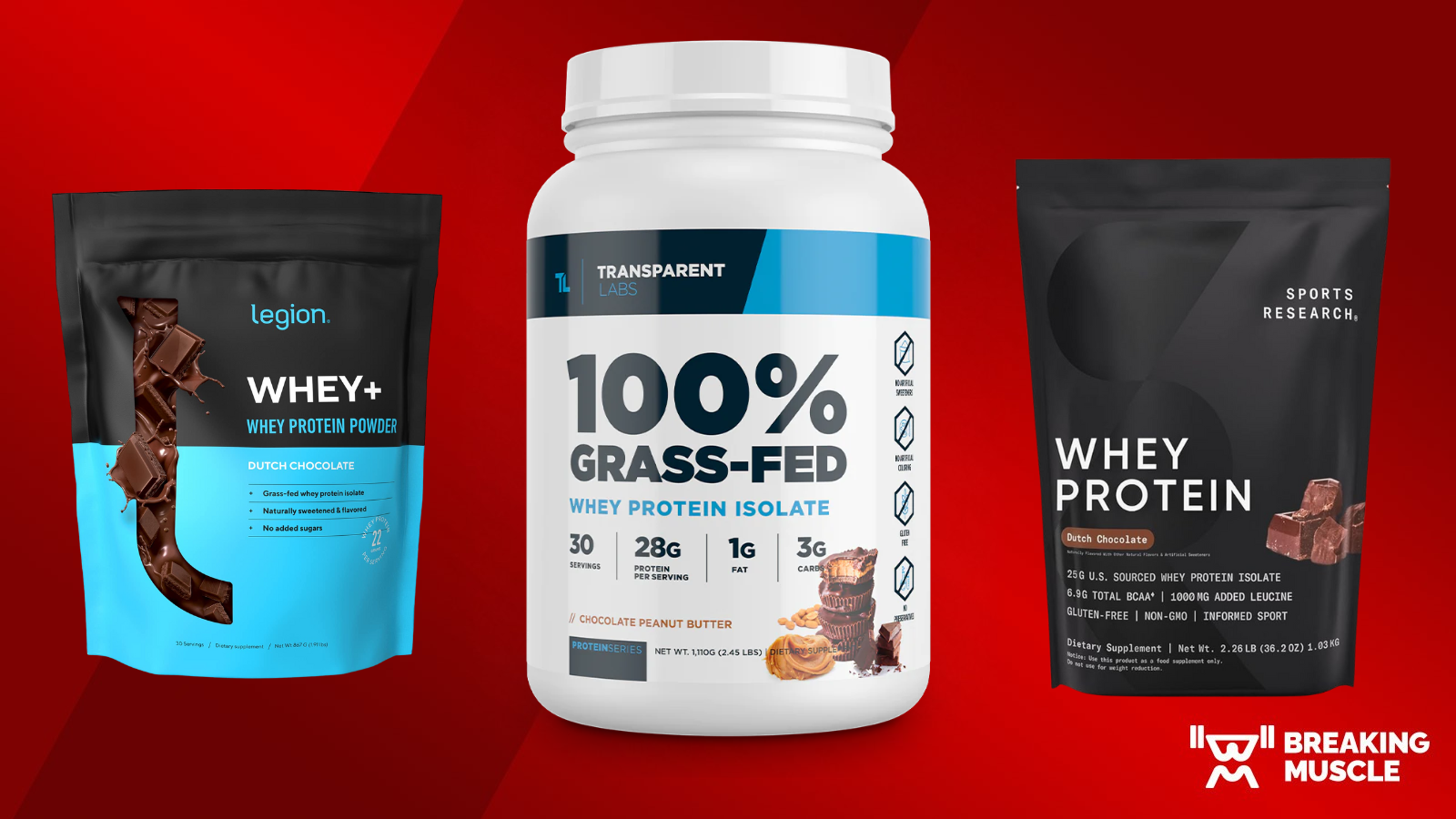
Our Picks for the Best Whey Protein Powder of 2025
The market for whey protein features diverse formulations tailored to specific dietary needs, flavor preferences, and fitness goals. Based on extensive testing and expert analysis, several standout products have earned top honors across multiple categories for 2025.
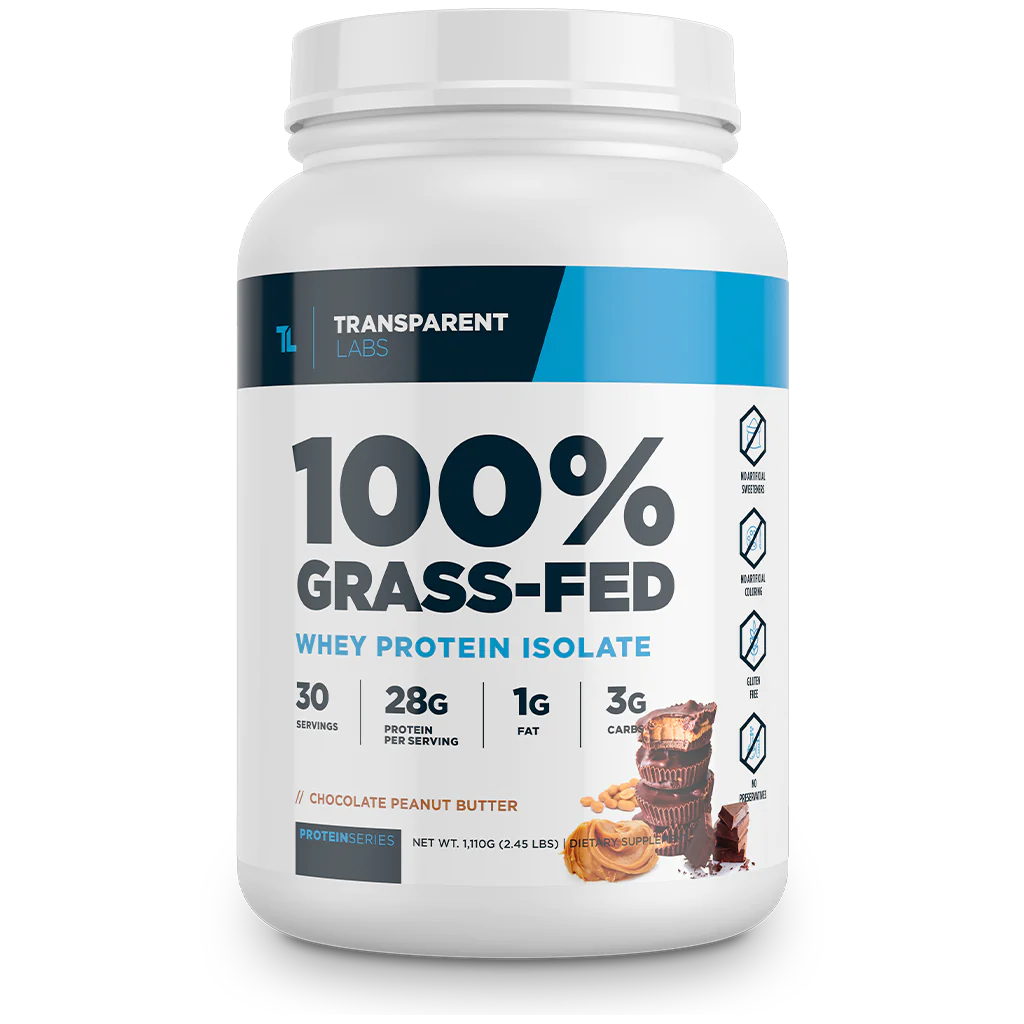
Best Overall Whey Protein Powder: Transparent Labs 100% Grass-Fed Whey Protein Isolate
Transparent Labs set out to create a supplement focused entirely on high-purity protein without excess sugars or unnecessary calories. This grass-fed whey protein isolate undergoes advanced filtration to remove the vast majority of excess fats, carbohydrates, and lactose, leaving behind a dense concentration of pure protein. Because whey isolate contains the highest protein concentration among the various powder types, it serves as an ideal option for individuals looking to maximize their protein intake while keeping carbs and fats to a minimum.
Each serving of Transparent Labs Whey Protein Isolate packs 28 grams of protein, ranking among the highest concentrations available on the market. Testers also praised the brand’s flavor variety, which includes unique options like Cinnamon French Toast. Reviewers noted that the powder is intentionally formulated to be less sweet than competitors, making it versatile enough to mix with fruit juice or blend into fruit smoothies without overpowering other ingredients.
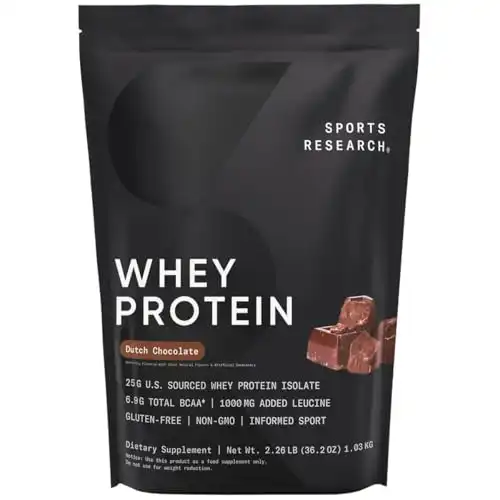
Best Chocolate Whey Protein: Sports Research Whey Protein
Formulated with 6.9 grams of BCAAs per serving, including a notable 1,000 milligrams of L-leucine, Sports Research Whey Protein is designed to support intense training regimens. Scientific studies indicate that adequate leucine intake can help reduce delayed onset muscle soreness following heavy exertion. The product is Informed Sport Certified, though users sensitive to artificial sweeteners should note that it is sweetened with stevia or sucralose depending on the chosen flavor.
Testers evaluating the Dutch Chocolate variety highlighted its rich taste, with some describing it as a dessert-like treat. Reviewers reported that the powder dissolves smoothly in water using either a shaker cup or handheld mixer, leaving minimal foam that dissipates quickly without clumping. Furthermore, users who typically experience digestive sensitivity to dairy reported no bloating after incorporating this protein into their daily routines for extended periods.
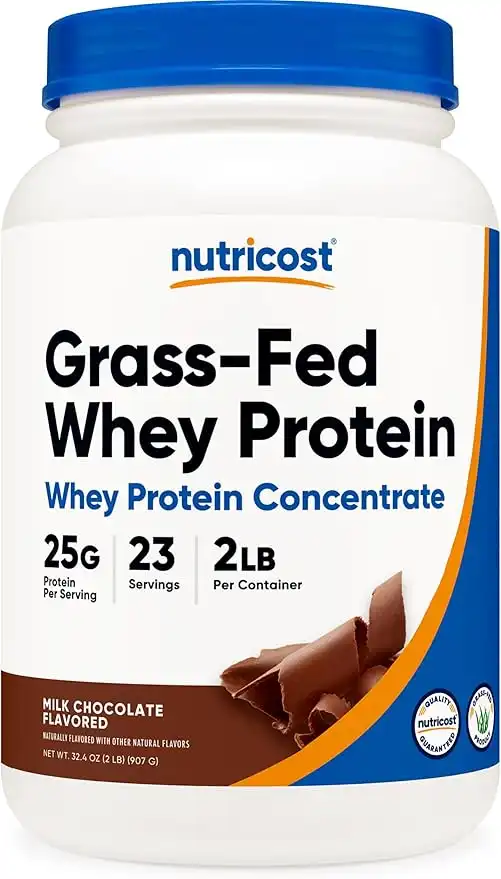
Best Grass-Fed Grass-Fed Whey Protein Concentrate: Nutricost Grass-Fed Whey Protein Concentrate
Scientific research indicates that dairy sourced from grass-fed cows often contains higher concentrations of beneficial whey proteins and amino acids, which may further support muscular adaptations during training. Nutricost offers a non-GMO, gluten-free, and third-party-tested option that utilizes whey protein concentrate.
To enhance mixability, this formulation includes sunflower lecithin. Testing panelists praised both the texture and flavor, comparing the taste to classic chocolate milk drinks like Nesquik. Reviewers noted that the powder dissolved thoroughly in milk without leaving undissolved clumps, maintaining an appealing texture even after sitting for short periods.
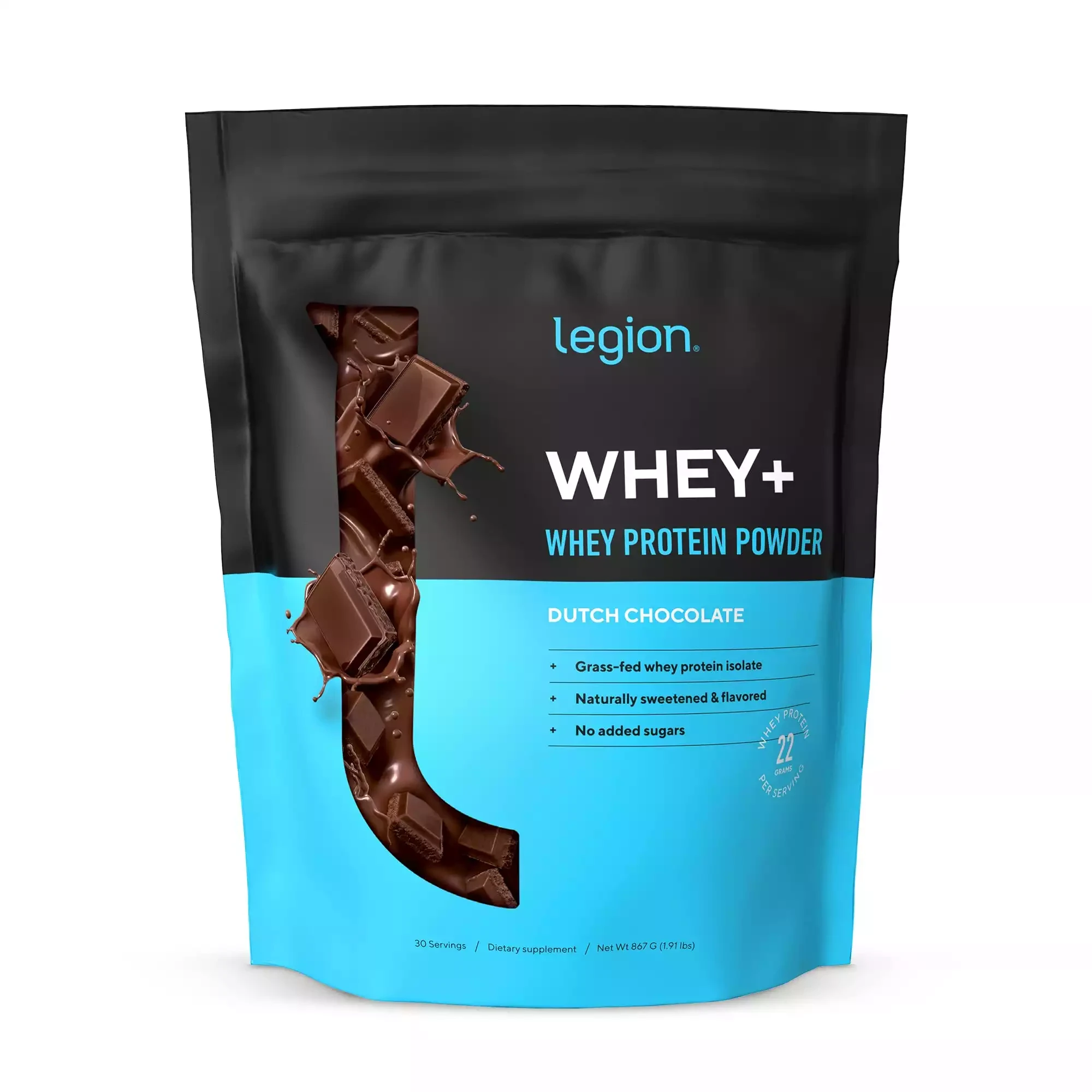
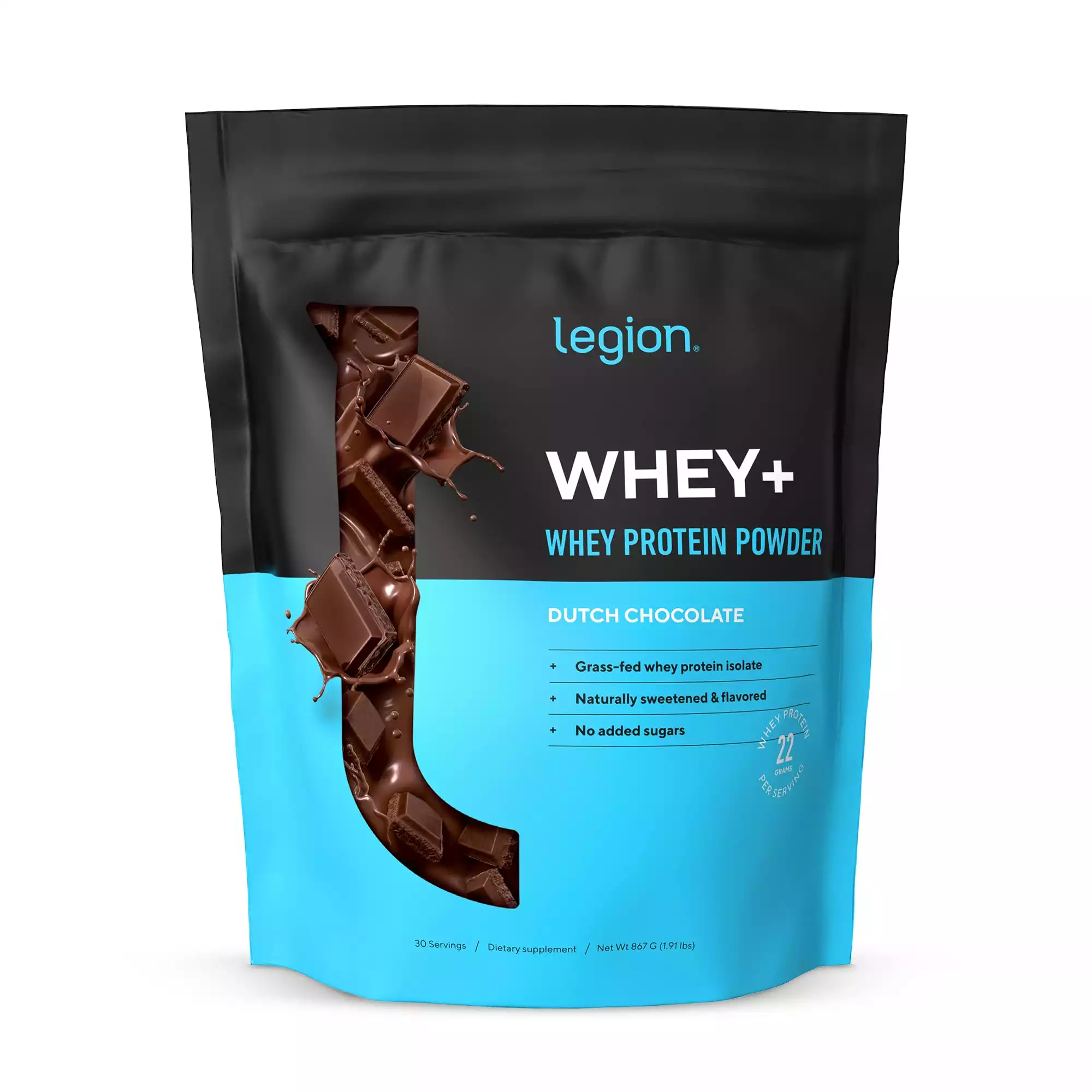
Best Vanilla Whey Protein: Legion Whey+
For consumers prioritizing rigorous quality control, Legion Athletics utilizes protein certified by Labdoor to be completely free of banned substances. This third-party verification helps ensure that the whey isolate is delivered in a pure, nutrient-dense form free from agricultural pesticides and growth hormones. The filtration process also removes excess fats and carbohydrates, which supports bloat-free digestion.
Taste testers gave particularly high marks to the French Vanilla flavor, comparing its rich and smooth profile to a high-end coffee creamer. The positive sensory feedback combined with strict purity standards makes this option a favorite for daily supplementation.
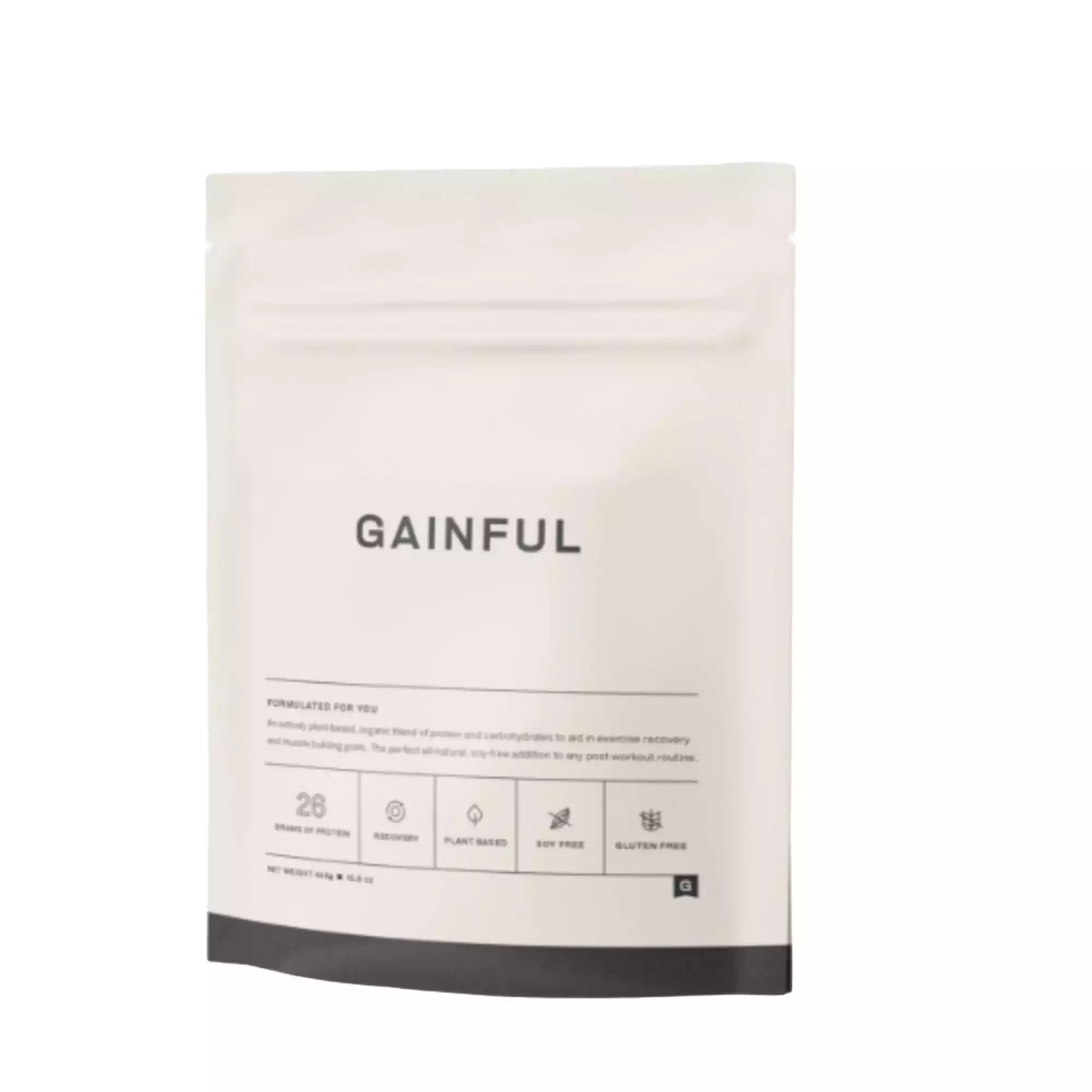
Best Tasting Whey Protein: Gainful Protein Powder
A common grievance among supplement users is the chalky texture and lingering artificial aftertaste associated with many protein powders. Gainful addresses this issue with a subtle, well-balanced flavor profile. Testers sampling the Caffe Mocha flavor likened it to an at-home cappuccino mix, noting that the coffee notes are pleasantly understated.
Gainful offers a wide variety of flavors packaged in individual-use portions, allowing users to rotate flavors based on daily preferences. Nutrition experts collaborating with the brand highlighted Chocolate Peanut Butter, Caffe Mocha, and Sea Salt Caramel among their top flavor selections.
What Is Whey Protein?
Whey protein is a concentrated protein source derived directly from cow’s milk, which naturally contains two primary types of protein: casein and whey. While casein makes up the majority, whey accounts for roughly 20 percent of the protein found in milk and is widely recognized as a high-quality, complete protein source containing all nine essential amino acids.
Beyond athletic applications, research suggests that whey protein may offer broader health benefits, including enhanced immune function and support for cardiometabolic health. It is most commonly sold as a dry powder that can be mixed with water, milk, or other liquids, or incorporated into various culinary recipes to boost nutritional value. Food manufacturers also frequently use whey formulations in place of traditional fats and creams to create high-protein food products.
What Are the Three Types of Whey Protein?
When shopping for supplements, consumers encounter three primary forms of whey protein: concentrate, isolate, and hydrolysate. The differences among them lie primarily in the manufacturing and filtration processes.
Whey protein concentrate is the least processed form, meaning it retains higher levels of lactose, fats, and carbohydrates alongside beneficial micronutrients. Because it is cost-effective and improves texture and shelf-life, food manufacturers frequently use concentrate in baked goods and soups. It typically features a protein concentration between 70 and 80 percent.
Whey protein isolate undergoes more intensive filtration to remove nearly all fats and lactose, resulting in a product that is 90 percent or more pure protein. This form is favored by athletes seeking to strictly monitor their macronutrient intake while avoiding excess carbohydrates and sugars.
Whey protein hydrolysate undergoes partial enzymatic breakdown during manufacturing, which predigests the protein chains for faster absorption. Although research indicates that hydrolyzed whey can cause temporary fluctuations in blood sugar due to rapid digestion, overall scientific literature supports the role of whey protein in promoting healthy glycemic control when consumed as part of a balanced diet.
Benefits of Whey Protein Powder
The primary advantage of whey protein powder is convenience. While whole foods like meat, poultry, fish, eggs, and legumes should form the foundation of a healthy diet, protein supplements provide an efficient way to hit daily nutritional targets for individuals with busy lifestyles or elevated physical demands.
For individuals engaged in regular resistance training, whey protein supplies the necessary amino acids to maximize muscle protein synthesis and support recovery. When individuals enter a caloric deficit for weight loss, consuming adequate protein helps preserve lean muscle mass, ensuring that the body primarily burns stored fat for energy. Additionally, protein promotes satiety, helping regulate appetite and reduce overall daily calorie consumption.
How To Use Whey Protein Powder
Determining the appropriate amount of whey protein requires evaluating individual body weight, activity levels, and personal fitness goals. A standard baseline calculation for active individuals involves multiplying body weight in pounds by 0.8 to determine total daily protein grams. Supplements should be used to bridge nutritional gaps rather than replace whole-food meals.
Consumers should follow specific label directions for individual products, which typically involve mixing a single scoop with 10 to 12 ounces of water, milk, or a smoothie. While whey protein can be consumed at any time of day, many individuals utilize it immediately following a workout to initiate muscle tissue repair.
Potential Side Effects and Considerations
When consumed in moderation by healthy adults, whey protein powder is generally considered safe and well-tolerated. However, excessive intake over long periods can potentially lead to digestive discomfort, dehydration, or dietary imbalances if whole foods are neglected. Anyone experiencing adverse symptoms should discontinue use and consult a qualified healthcare professional.
Individuals with severe dairy allergies must exercise caution, although many people with mild lactose intolerance tolerate whey protein isolate well due to its minimal lactose content. Consulting a doctor or registered dietitian remains the best course of action for individuals with pre-existing health conditions before adding new supplements to their routine.