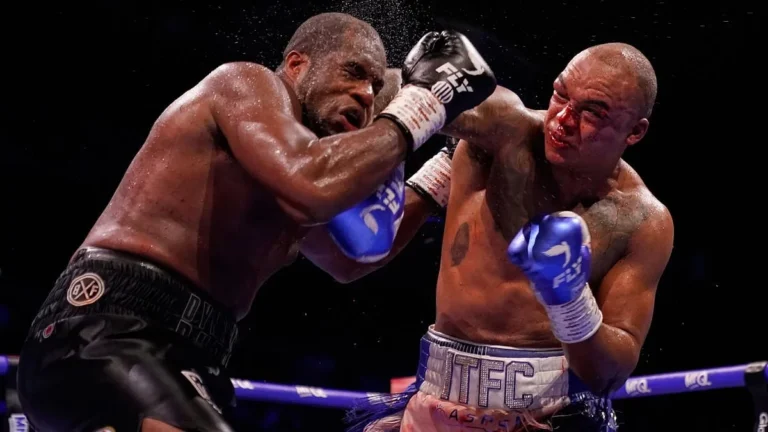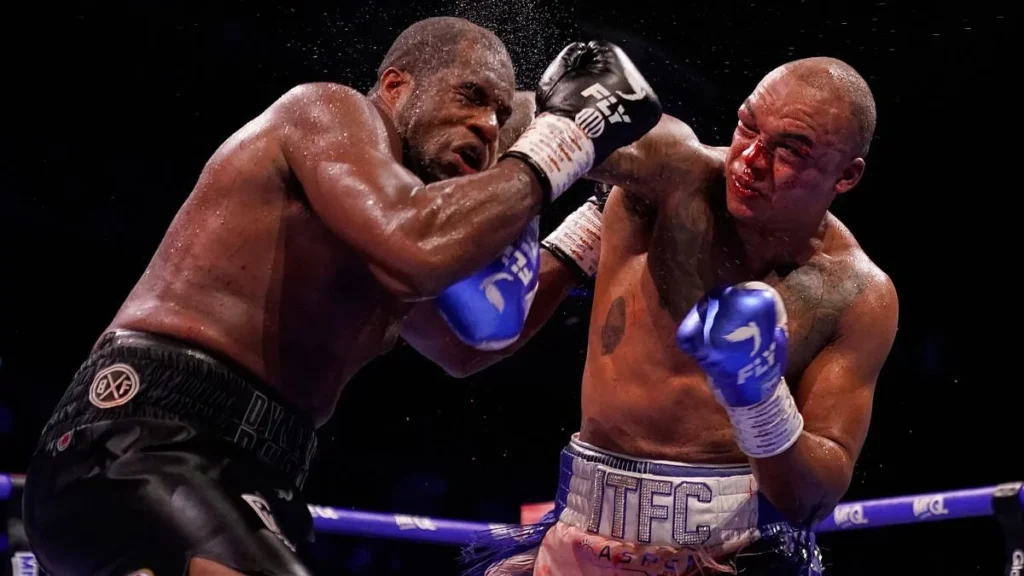


For years, combat sports analysts, seasoned trainers, and fight purists have voiced a shared frustration regarding modern mixed martial arts: competitors simply do not commit enough work to the body. In an era dominated by viral highlight reels, fighters routinely step inside the cage hunting for the instant, spectacular finish. Head-hunting—swinging for jawlines and temples in pursuit of an early exit from the cage—has become treated as combat currency, while patient, attritional striking directed at the midsection is too often dismissed as slow or unglamorous.
This widespread reluctance to target the torso remains one of the more baffling trends in contemporary combat sports. Many competitors spend entire training camps visualizing cinematic, one-punch knockouts or sweeping head-kick finishes, overlooking the immense tactical opportunities created by consistent midsection attacks.

Beyond its ability to incapacitate an opponent with a single well-placed blow, targeting the torso dismantles an adversary’s physical conditioning, immobilizes their footwork, and turns a fighter into a far more complex puzzle to solve. When an adversary is forced to constantly brace for punishing teeps to the stomach or thudding punches under the ribs, their defensive structure predictably collapses, opening up the very avenues required for the highlight finishes so many fighters chase.
The Benefits of Targeting the Body in MMA
The strategic advantages of sustained body attacks extend far beyond simple point-scoring. In high-level mixed martial arts, where rounds are fast-paced and stamina is often the deciding factor in five-round championship bouts, the physical tax imposed by body strikes is cumulative and irreversible.

First and foremost, midsection strikes systematically drain an opponent’s cardiovascular endurance. While a fighter may maintain a poker face after absorbing clean strikes to the chin, the human body cannot easily disguise the involuntary respiratory distress brought on by blows to the solar plexus, liver, and floating ribs. Impact to the diaphragm disrupts regular breathing mechanics, reducing oxygen intake and forcing the heart and lungs to work significantly harder under distress.
This loss of wind quickly translates into compromised mobility—a phenomenon often described in gym circles as "taking away an opponent’s legs." As stamina wanes under midriff pressure, lateral footwork slows, explosive level-changes lose their snap, and reactive head movement vanishes. A fighter who cannot move smoothly becomes a stationary target along the fence or on the center canvas.
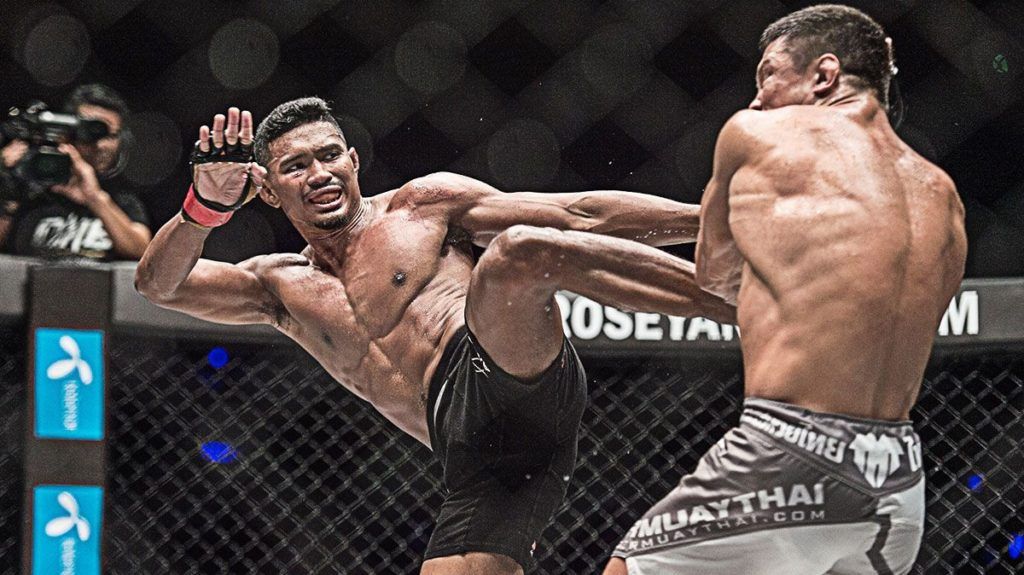
Furthermore, attacking the body destabilizes an opponent’s defensive posture. The golden rule of striking defense dictates that a fighter must react where danger appears. When combinations consistently conclude with thunderous hooks to the ribs or stabbing kicks to the abdomen, opponents are forced to lower their elbows and drop their high guard to protect vulnerable internal organs. This instinctual reaction validates the time-honored combat philosophy: if you take the body, the head will follow. By conditioning an opponent to anticipate lower impacts, the fighter creates the precise visual openings needed to land overhands, crosses, and head kicks.
Finally, body strikes carry devastating stoppage power in their own right. A clean, penetrating strike to the liver or solar plexus triggers an involuntary autonomic response, temporarily incapacitating the nervous system and forcing even the most durable competitors to crumble to the canvas in agony.

The Strategic Risks of Midsection Attacks
Despite its proven effectiveness, attacking the torso is not without inherent peril. Striking the body in mixed martial arts requires a fighter to accept calculated risks that differ significantly from those encountered in pure boxing or kickboxing.
The most glaring hazard is head vulnerability. Because the torso is positioned lower than the chin, driving strikes into the midsection inevitably requires level changes or dropping the hands away from the primary defensive perimeter. Throwing a long hook to the ribs leaves the fighter’s jaw exposed on the open side, offering an alert opponent an opportunity to counter over the top with heavy overhand rights, leaping lead hooks, or devastating head kicks.

Additionally, in mixed martial arts, throwing low-line strikes introduces the distinct threat of grappling counters. When a fighter commits their weight downward to punch the body, they move their head directly into the path of upward strikes, including intercepting knees, while also offering easy head-control or double-leg takedown entries to opportunistic wrestlers.
Similarly, throwing kicks to the midsection carries the ongoing danger of having the leg caught. An alert opponent who anticipates a body roundhouse can trap the limb against their ribcage, sweep the supporting leg, or drive straight through the pocket to secure a takedown. Consequently, attacking the midriff demands acute situational awareness, disguised setups, tight defensive recovery, and impeccable timing.

Different Types of Body Strikes in Modern MMA
Unlike pure boxing, where body attacks are confined strictly to fist variations, mixed martial arts opens an extensive operational arsenal. Cage combatants possess the freedom to deliver debilitating impact through punches, kicks, and knees, while occasional elbow variations also feature in close quarters.
Throughout the history of the sport, master technicians have utilized this full spectrum of weapons to dismantle opposition. Hall of Fame figures and elite champions such as Bas Rutten, Nick Diaz, Max Holloway, Jon Jones, and Eddie Alvarez built significant portions of their competitive legacies on the back of relentless midriff pressure. By blending diverse striking disciplines, these athletes continuously created multi-layered dangers for their opponents.

The Hook to the Body
Few punches are as fundamentally devastating or attritional as the dug-in body hook, particularly when targeted at the liver on the left or the spleen and floating ribs on the right.
Former UFC featherweight champion Max Holloway exemplifies the tactical mastery of the body hook in modern competition. Holloway operates as an ultra-high-volume combination puncher equipped with an elite gas tank. Rather than relying on singular power shots, Holloway constructs long, varied punch sequences that flow between high and low targets. When backing an opponent toward the cage fence, Holloway regularly uses straight punches upstairs to force his foe to shell up behind a high guard, instantly following with digging shovel hooks underneath the elbows to pulverize the exposed torso.

Similarly, former world title challenger Nick Diaz famously popularized the concept of "putting money in the bank." Diaz treated body punching as an upfront investment that paid dividends in the championship rounds. Alongside his brother Nate, Diaz made a career of peppering opponents with long, rhythmic straight punches to fix their attention, only to step deep into the pocket and sink punishing hooks directly into the ribs, sapping their will round after round.
The Teep
For rangy, athletic fighters, the traditional Muay Thai push kick—or teep—serves as both a stinging offensive battering ram and an impenetrable defensive checkpoint. Fighters blessed with long levers often excel at deploying this strike from safety.

Longtime champion Jon Jones demonstrated the transformative power of the teep inside the cage. Acting almost like a piercing spear directed at the abdomen, a clean teep arrests the forward momentum of any hard-charging adversary. By driving the ball of the foot straight into the solar plexus, the technique knocks the wind out of opponents and forcefully shoves them backward.
This linear strike not only damages the respiratory core but also dictates the terms of engagement. It enforces desired distance, prevents wrestlers from timing clean takedown entries, and leaves opponents mentally tentative when trying to cross the striking threshold.

The Power of the Roundhouse Kick
A properly executed roundhouse kick to the body carries some of the highest kinetic force measurable in combat sports. The impact of a shin crashing across the ribs can fracture bone, bruise internal organs, and deaden the arms of any fighter attempting to block it.
Muay Thai icons such as Yodsanklai Fairtex and Saenchai spent decades showcasing the devastating efficacy of the body roundhouse, inspiring generations of mixed martial artists to refine the weapon for the cage. Within MMA, strikers like Anthony Pettis and former pound-for-pound king Anderson Silva regularly utilized the roundhouse to slice through guard defenses. When delivered with speed and hip commitment, a roundhouse kick to the liver side can end a contest in an instant, rendering even elite athletes completely unable to stand.

Devastating Knees from the Clinch
When the fight transitions to close range, few techniques draw the breath from a fighter’s lungs quite like crushing knees delivered from the clinch.
To execute this weapon at maximum output, an athlete typically works to establish dominant head and neck control, such as the classic Muay Thai double collar tie, or pins their opponent against the cage fence. Clinch tacticians like former Muay Thai multi-stadium champion Sagetdao Petpayathai have demonstrated how completely an opponent’s defense crumbles once their posture is broken.

Locked inside a tight clinch, an opponent is trapped at point-blank range with minimal room to maneuver. The attacking fighter can then drive sharp, upward and diagonal knees into the floating ribs and solar plexus. The concussive trauma delivered by these strikes can instantly crack ribs, break an opponent’s physical resolve, and completely reverse the momentum of a contest.
Targeting the body remains an essential yet often underappreciated discipline within mixed martial arts. While head-hunting will always captivate casual spectators seeking sudden drama, the sport’s most accomplished practitioners demonstrate that sustained body attacks remain the true engine of striking supremacy. By embracing the diverse striking tools available across punches, kicks, and knees—and balancing them with sound defensive mechanics—modern cage fighters can unlock a more calculated, effective, and dominant path to victory.