
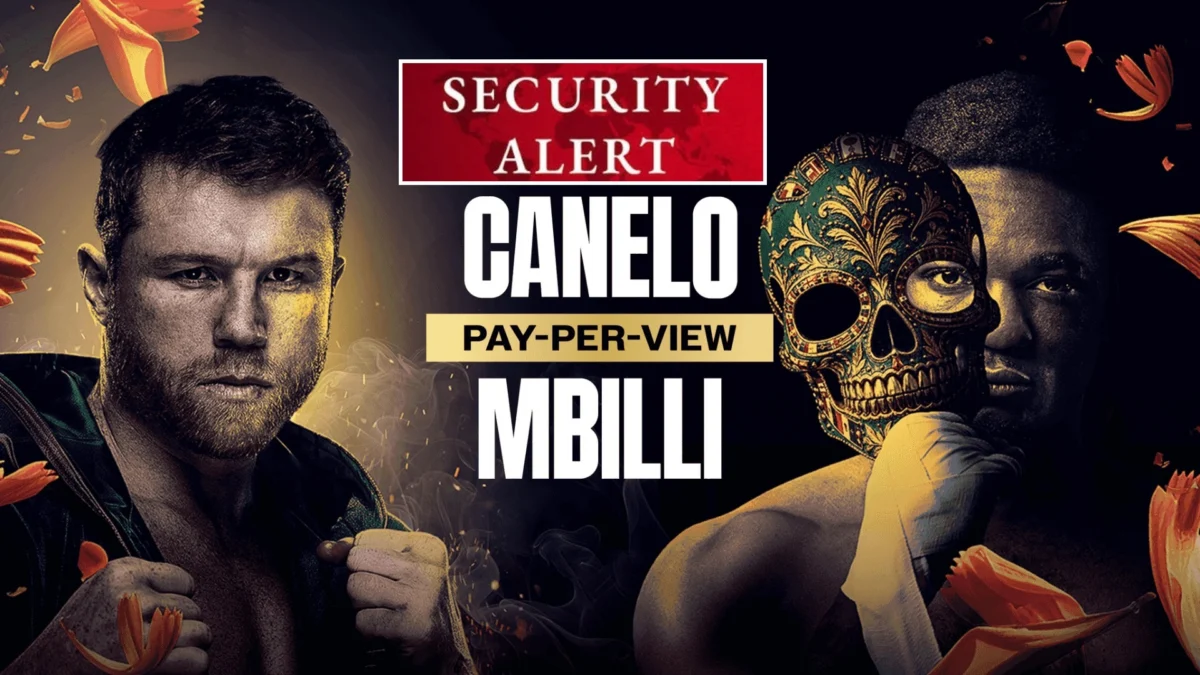
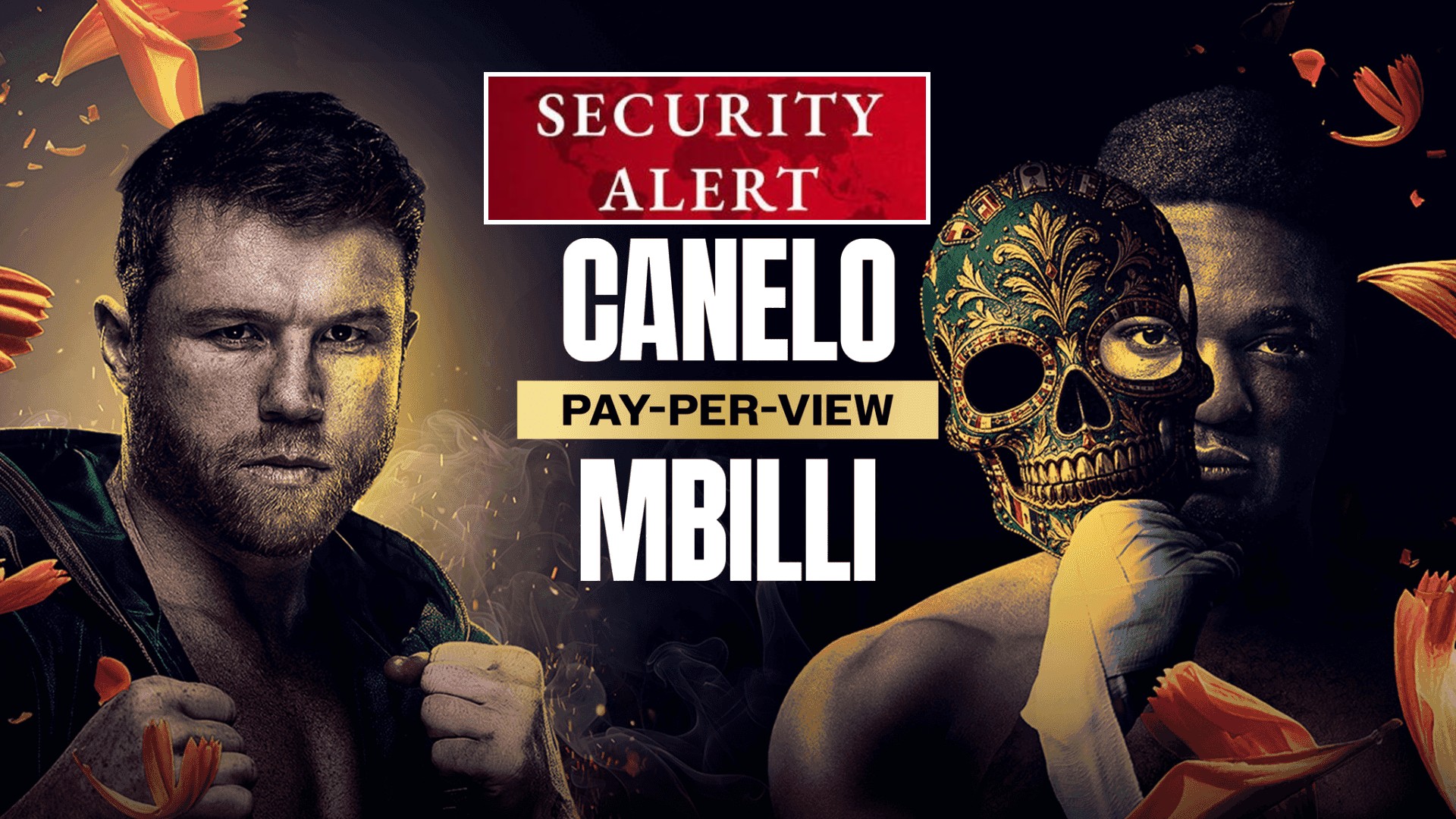
Saul "Canelo" Alvarez is facing the very real prospect of being entirely shut out of the ring for the 2026 calendar year unless his high-profile world title challenge against Christian Mbilli is relocated away from Riyadh, Saudi Arabia. Even a potential postponement of the event to December offers zero guarantees that the blockbuster bout will actually proceed, casting a dark cloud over the remainder of the Mexican superstar’s illustrious career.
For weeks, boxing observers and industry insiders have maintained that the fight has become completely untenable in the Saudi capital. Calls for a mandatory venue change have grown louder following deadly security incidents, specifically attacks targeting the King Khalid International Airport. While shifting the date from its original October 31 slot to December might buy event organizers some breathing room, it fundamentally fails to eliminate the severe security risks and escalating geopolitical instability surrounding Riyadh.
Canelo and Mbilli have already been forced to endure one frustrating postponement. Introducing yet another delay would only stretch out an already agonizing period of uncertainty for a matchup that carries immense stakes—namely, the prestigious WBC super middleweight championship.
For Canelo, the stakes could not be higher. The Mexican icon has remained completely inactive since suffering a stunning defeat to Terence Crawford in September 2025, a loss that stripped him of his undisputed champion status. His upcoming challenge against the formidable Mbilli was universally viewed as his definitive path back to redemption, offering him a golden opportunity to reclaim world championship glory and reassert his dominance in the sport. Instead, that career-defining moment remains trapped in administrative limbo and security anxieties.
Postponement Solves Nothing
Moving Canelo versus Mbilli from late October to December is a superficial fix that ultimately solves nothing of substance. The core issue is not the calendar date; it is the glaring security volatility of the host city.
The initial calls for cancellation began shortly after the tragic incidents in Riyadh, with industry watchdogs explicitly urging Saudi entertainment powerbroker Turki Alalshikh to scrap the Riyadh event. At the time, viable international alternatives—most notably Las Vegas—were already being heavily considered as potential landing spots should Riyadh become entirely unavailable. Yet, despite the obvious writing on the wall, no official replacement venue has been confirmed by the promotion team, leaving fighters, trainers, and fans stranded in a state of anxious waiting.
The crux of the problem extends far beyond the boxing ring itself. It lies in the stubborn determination of organizers to stage a massive international gathering in a metropolis where the primary international gateway has been targeted and where major foreign governments have issued active travel advisories.
The seriousness of the situation was further underscored when the Mexican government issued official travel warnings cautioning its citizens against visiting areas surrounding Saudi airports, including the very hub designated for travelers arriving to watch or participate in Canelo’s next career chapter. These institutional security warnings cannot simply be brushed aside or ignored merely because a prominent promoter wants to preserve a flagship event on an ambitious calendar.
While Canelo himself might possess the fearless mindset of a warrior willing to travel anywhere to ply his trade, the decision affects a vast ecosystem of people. The safety calculus extends to his entire training team, Mbilli’s corner crew, assigned ring officials, international broadcast media, and the thousands of global fans who would be expected to travel and attend the spectacle in person.
De La Hoya Calls for Move
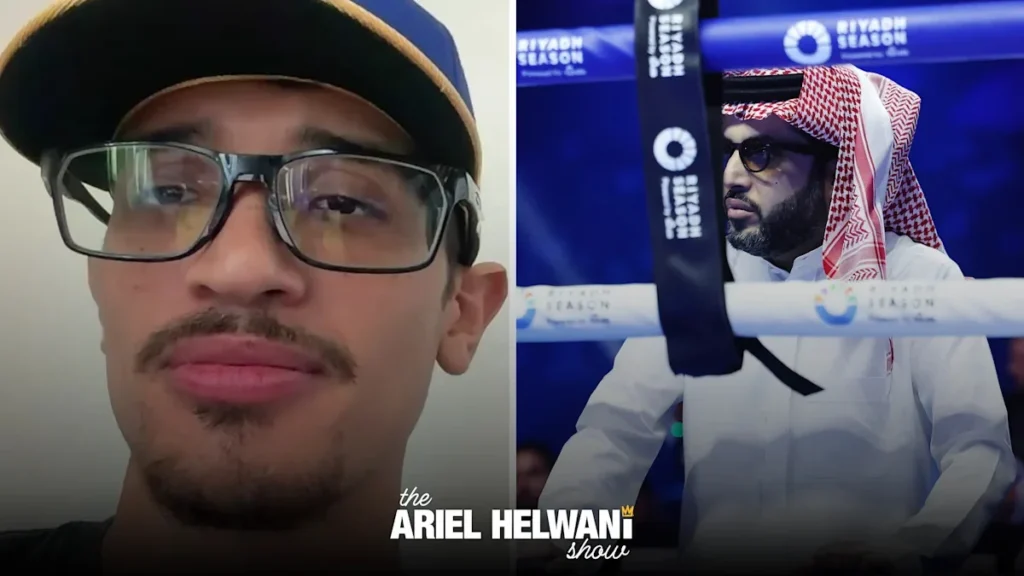
The pressure on Alalshikh and Canelo intensified significantly when former promoter and boxing legend Oscar De La Hoya publicly stepped into the fray to demand an immediate relocation of the event.
During a recent broadcast of his commentary series, De La Hoya did not mince words as he criticized the ongoing insistence on keeping the fight in Saudi Arabia.
"So do the right thing and move this event," De La Hoya urged bluntly during his latest Clap Back segment.
The Golden Boy Promotions head went further, launching a scathing accusation against the Saudi organizers and suggesting they were carelessly placing financial motivations and promotional agendas far ahead of human life and basic security.
"You spend billions of dollars trying to convince everyone it’s totally safe to travel to Riyadh, and then this s*** happens," De La Hoya stated. "Stop pushing your agenda on people. Value human life and safety over your financial interests."
2026 Fight Now at Risk
Despite the mounting chorus of concern, Turki Alalshikh has consistently maintained that Canelo remains steadfast in his desire to fight in Saudi Arabia despite the reported security incidents. Alalshikh has publicly claimed that the Mexican champion personally assured him that he intended to proceed with the bout regardless of the circulating reports and geopolitical friction.
Even so, Canelo and his management team must carefully weigh whether maintaining strict loyalty to Riyadh is genuinely worth the catastrophic risk of losing an entire year out of the remaining prime of his career.
At 36 years of age, time is a precious commodity for the future Hall of Famer. Canelo urgently needs to dust off the ring rust following his career-altering setback against Crawford. Meanwhile, Christian Mbilli is eagerly waiting in the wings for his long-overdue opportunity to defend his WBC title against one of the undisputed household names of modern boxing.
A December postponement might theoretically work out if regional conditions improve dramatically. However, if the situation remains volatile or deteriorates further, the organizers could easily find themselves facing a catastrophic second cancellation—this time with significantly less time and leverage to secure a viable alternative venue.
The underlying reality of the situation remains unchanged. Canelo versus Mbilli is a magnitude-grade fight that deserves to take place on the grandest stage possible, but it simply cannot and should not happen in Riyadh under the current cloud of danger. The matchup desperately needs a secure new home, not just another pushed-back date on a calendar.