


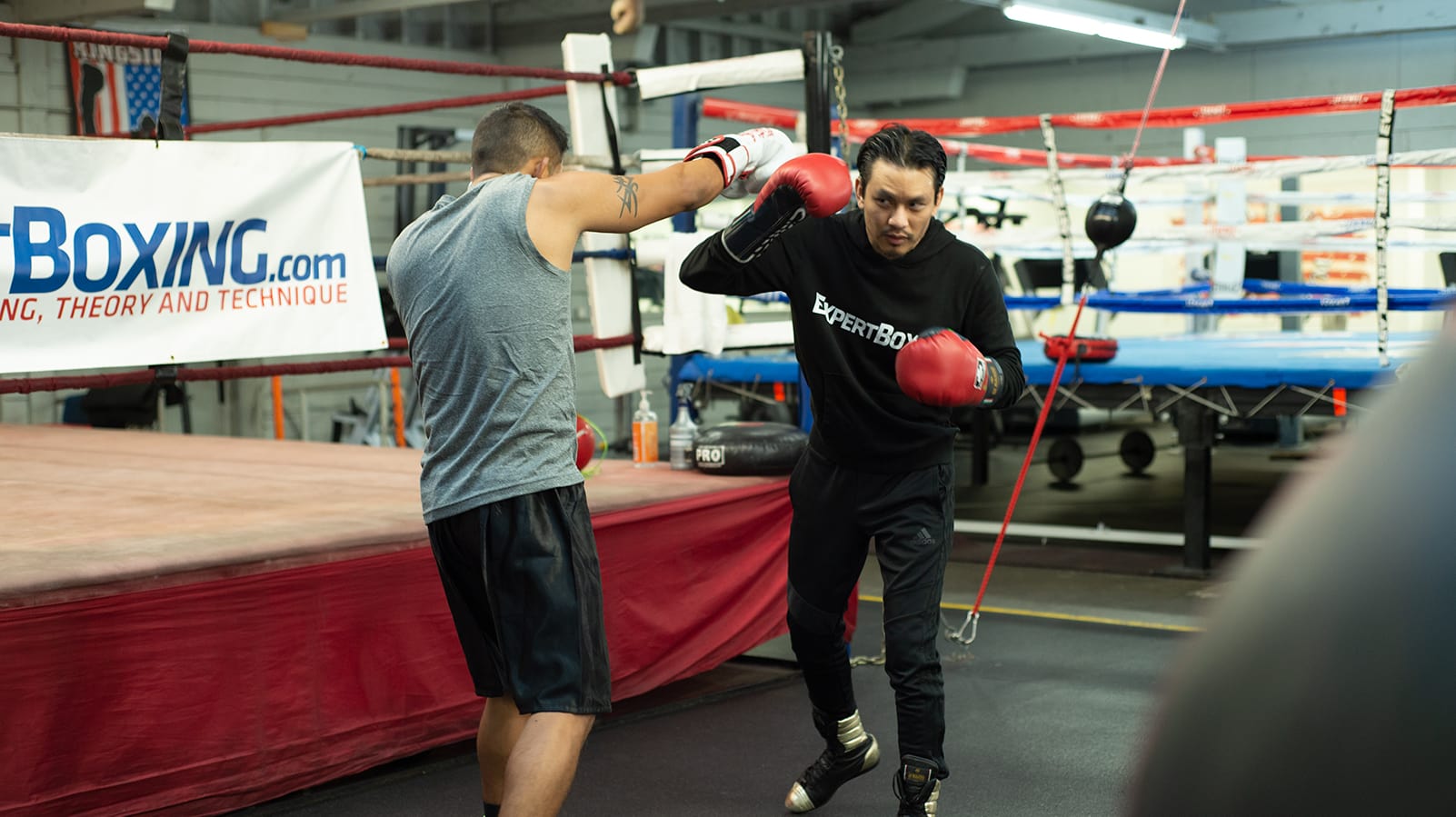
The art of the sweet science has always balanced the duality of landing a devastating blow and making sure you never absorb one in return. For fighters seeking to elevate their ring IQ, Expert Boxing has officially launched its most ambitious instructional undertaking to date: "Secrets to Boxing Defense" (STBD). Built upon more than 16 years of hands-on coaching and fighting experience, the comprehensive 30-day intensive training program aims to redefine how athletes approach defensive mastery, offering over 100 distinct techniques, styles, drills, and tactical frameworks designed to neutralize any opponent.
Developed over years of meticulous outlining, months of filming and editing, and refined during downtime that allowed for dedicated gym access and demonstration partners, the program provides an unprecedented look at the nuances of elite boxing defense. Designed for fighters who are serious about protecting themselves while aggressively dictating the pace of a bout, STBD tackles the fundamental misconception that defense is merely about keeping a high guard and hoping for the best.

Can Anyone Develop a Slick Boxing Defense?
One of the most persistent myths in combat sports is that defensive elusiveness is an innate trait reserved exclusively for the naturally gifted, hyper-athletic, or genetically blessed. According to the program’s creators, this assumption is fundamentally flawed. Athletes of any age, body type, or athletic background can develop a respectable, functional, and slick defensive style if they abandon mental limitations and commit to proper technique.
While a casual participant will not move precisely like Floyd Mayweather Jr. after a few months of practice, they can certainly internalize the core essence of such movement and translate those principles into their own personal fighting style. Good defense accomplishes far more than simply avoiding damage. True defensive mastery allows a fighter to read an opponent’s intentions, disrupt their rhythm, create the necessary time and space to think, and ultimately force the adversary onto the defensive. By taking away an opponent’s primary weapons, a skilled defensive operator effectively takes complete control of the fight.

Many fighters arrive at defensive training out of necessity—whether reacting to a coach’s constant demands to fight smarter, protecting a perceived weak chin, or simply wanting to preserve their long-term cognitive health. Others are established competitors looking to bridge the gap between winning and dominating at the highest levels. Regardless of the motivation, the curriculum argues that fear and discomfort in the ring typically stem from unfamiliarity. Once an athlete is exposed to a wide array of specialized drills and tactical concepts, the unknown becomes manageable, transforming apprehension into ring confidence.
What Boxing Defense Is and Isn’t
Popular culture often reduces boxing defense to a simplistic binary: keep your hands up and move your head. Some purists even lean into the old adage that the best defense is a good offense, suggesting that relentless counter-punching supersedes evasive maneuvers. While these philosophies contain elements of truth, they frequently overlook the intricate details required to survive against elite competition.

A comprehensive defensive system requires more than muscle memory; it demands acute visual awareness and tactical versatility. Without advanced vision, fighters merely execute blind defensive habits that inevitably fail the moment an opponent steps outside the conventional playbook. Without an understanding of rhythm, athletes burn excessive energy and miss crucial windows of opportunity to launch effective counters.
More importantly, the curriculum emphasizes that defense is fundamentally a state-of-the-art mindset. Adopting a passive, cowering posture sends an immediate psychological signal to an adversary that fear has set in. True defensive presence must remain inherently aggressive. It must communicate calm, calculated authority, daring the opponent to overcommit and make mistakes. This inner confidence is forged through rigorous preparation and an intimate understanding of how to neutralize opposing styles.
Where Most Fighters Fail in Their Defensive Development
Despite the best intentions, many aspiring boxers plateau because they fall into common developmental traps. One major pitfall is an over-reliance on raw athleticism and flashy, cinematic movements. Flashy maneuvers often look impressive on camera, but the most effective defensive techniques are frequently subtle, felt rather than seen, and rooted in unglamorous fundamentals. Furthermore, overly explosive movements can cause a fighter to lose their balance, trapping them in compromised positions where they cannot effectively counter-punch. Even worse, ill-timed defensive reactions can pull an athlete entirely out of their fighting rhythm, leaving them dangerously exposed to follow-up combinations.
Another common failure is a lack of versatility. When a fighter relies on a single method for blocking or slipping, they inevitably hit a tactical dead end. Because a single punch can be thrown in numerous ways, an evasive specialist must possess a corresponding variety of ways to neutralize it. Movement should never be executed purely for the sake of survival; it must serve to establish new angles, set traps, bait specific follow-up attacks, or communicate technical superiority.

Finally, many athletes mistakenly believe that exceptional defense requires superhuman reflexes and lightning-fast speed. While physical attributes certainly help, the most proficient defensive specialists are often the calmest and most economical movers in the sport. They rely on superior vision rather than panicked reactions. By reading the subtle physical cues of an opponent before a punch is fully extended, these veterans can anticipate attacks long before they arrive. True defensive vision ensures that an athlete is acting proactively rather than reacting too late.
A Structured Approach to Advanced Mastery
To bridge the gap between novice hesitation and professional composure, the training program provides a massive repository of instructional material. Spanning over 25 hours of video instruction accompanied by a 20-page workbook for notes and conceptual tracking, the course is structured to be digested over the course of a full year.
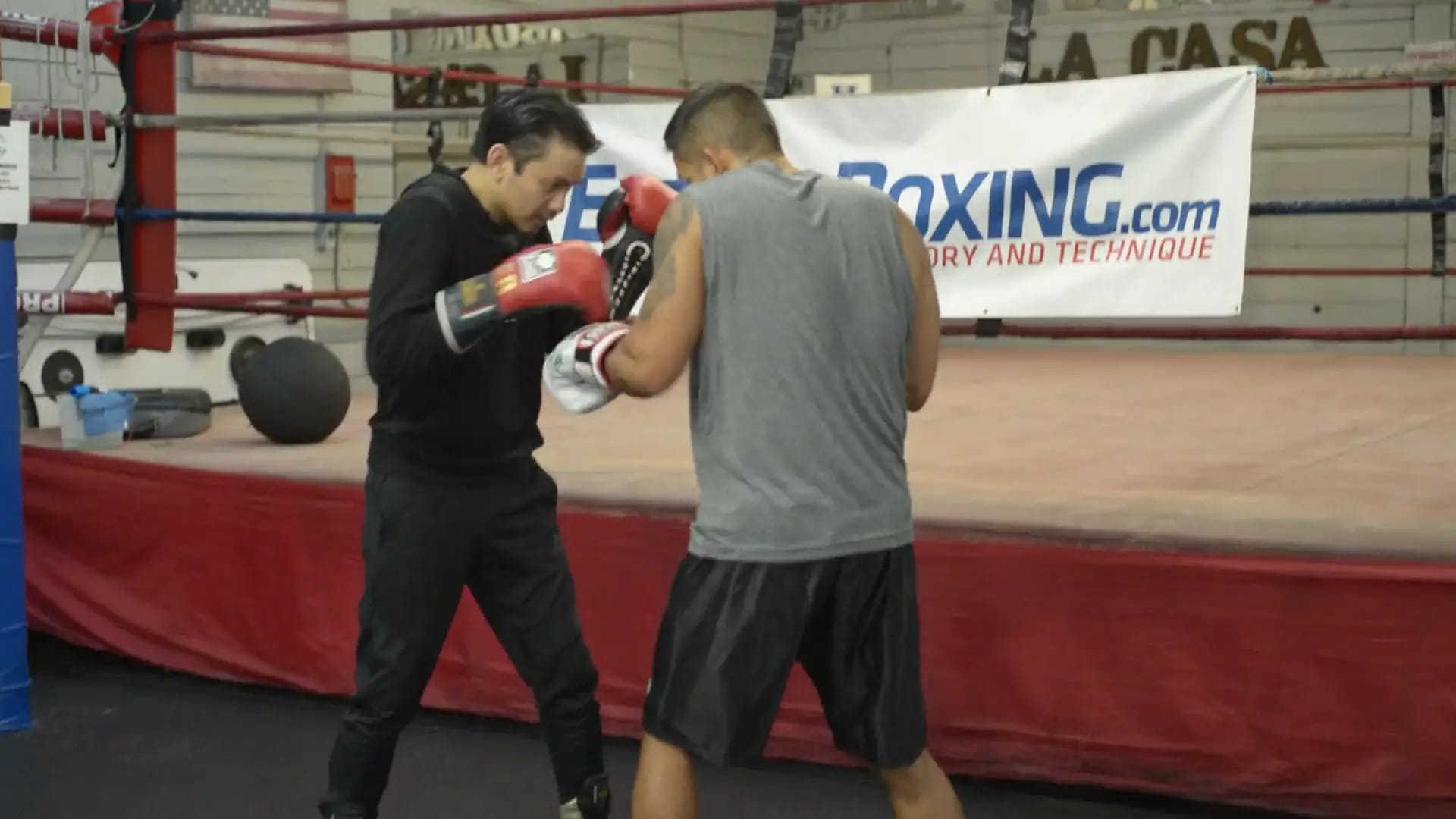
The curriculum systematically breaks down every conceivable facet of the defensive discipline. It begins with foundational theory before moving through specialized modules dedicated to blocking, parrying, rolling, and slipping at both basic and advanced levels. Special attention is given to defensive footwork, core control, hand positioning, and the cultivation of slick head movement.
Recognizing that boxing is a game of stylistic matchups, the program dedicates extensive segments to navigating specific archetypes. Fighters learn how to formulate specialized defensive strategies against brawlers, power punchers, slicksters, awkward opponents, and southpaws. Additionally, the coursework bridges the critical gap between defense and offense, instructing athletes on how to seamlessly transition from evasive maneuvers into devastating counter-punches using blocking, parrying, rolling, slipping, and footwork combinations.
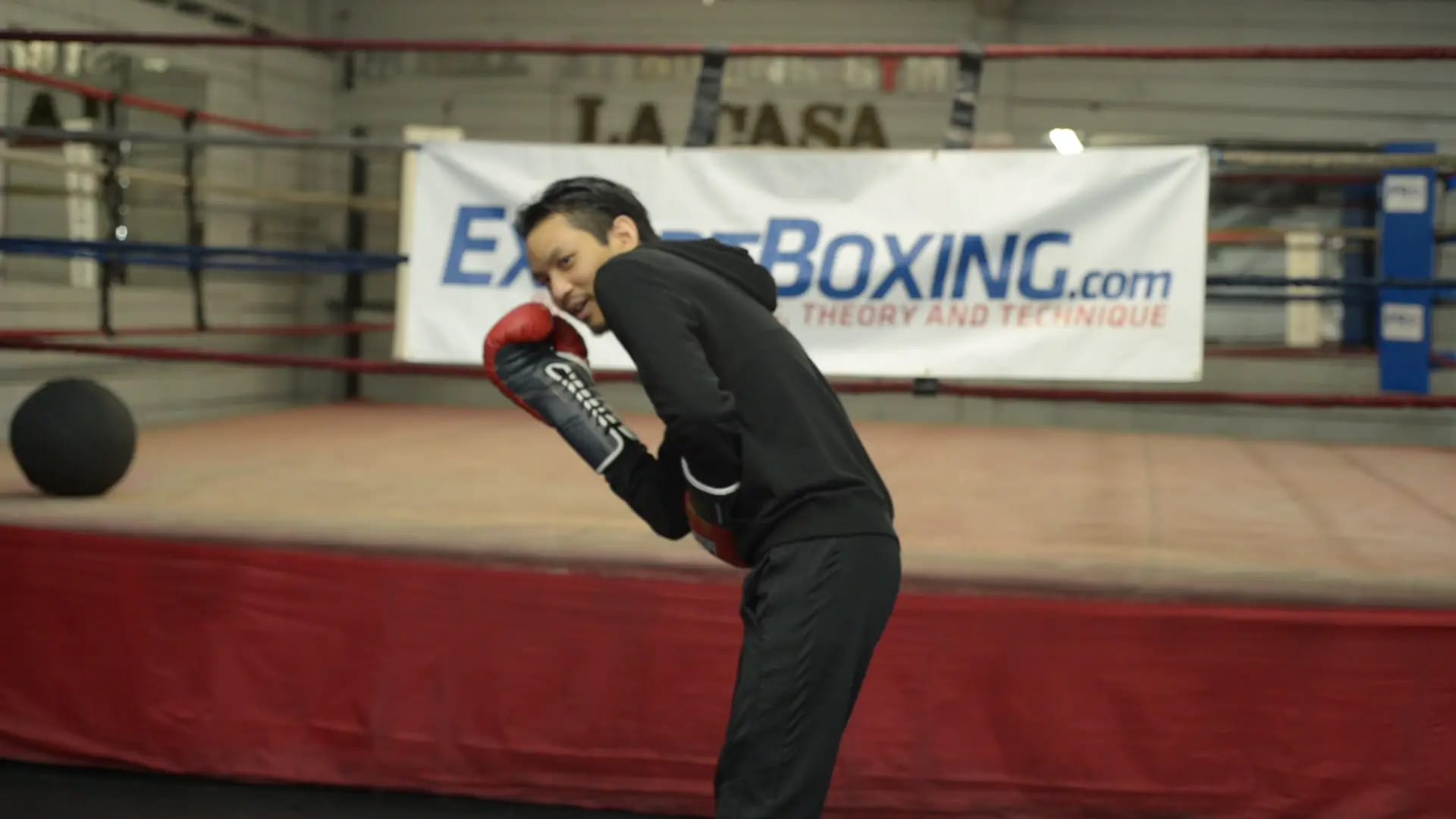
By combining exhaustive theoretical explanations with realistic, high-pressure drills, the program aims to strip away the intimidation factor of sparring and competition. For competitors willing to put in the grueling hours required to digest the material, the curriculum promises a transformed relationship with the sport—turning anxiety in the pocket into calculated confidence and ensuring that fighters can walk into any gym, face any style, and truly enjoy their time under the arena lights.