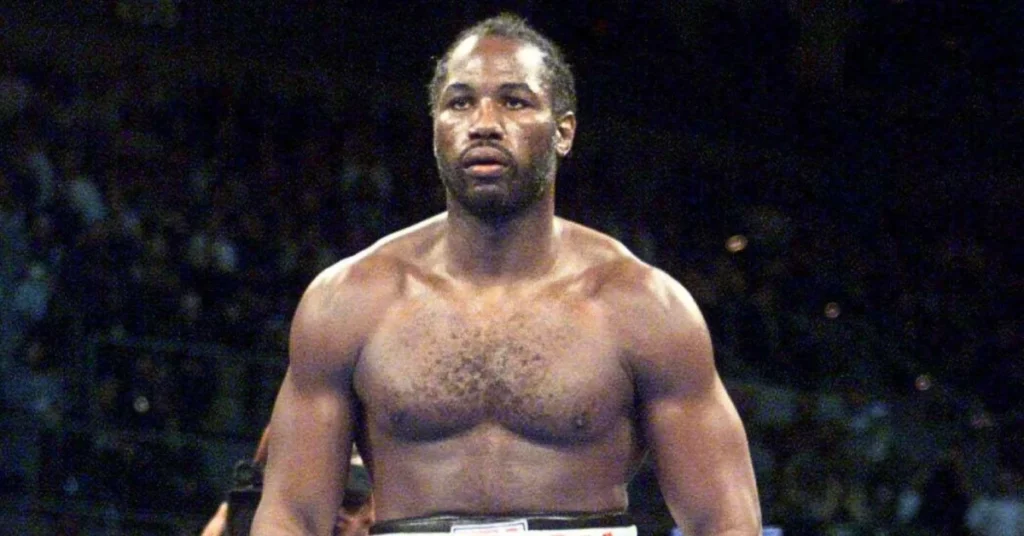

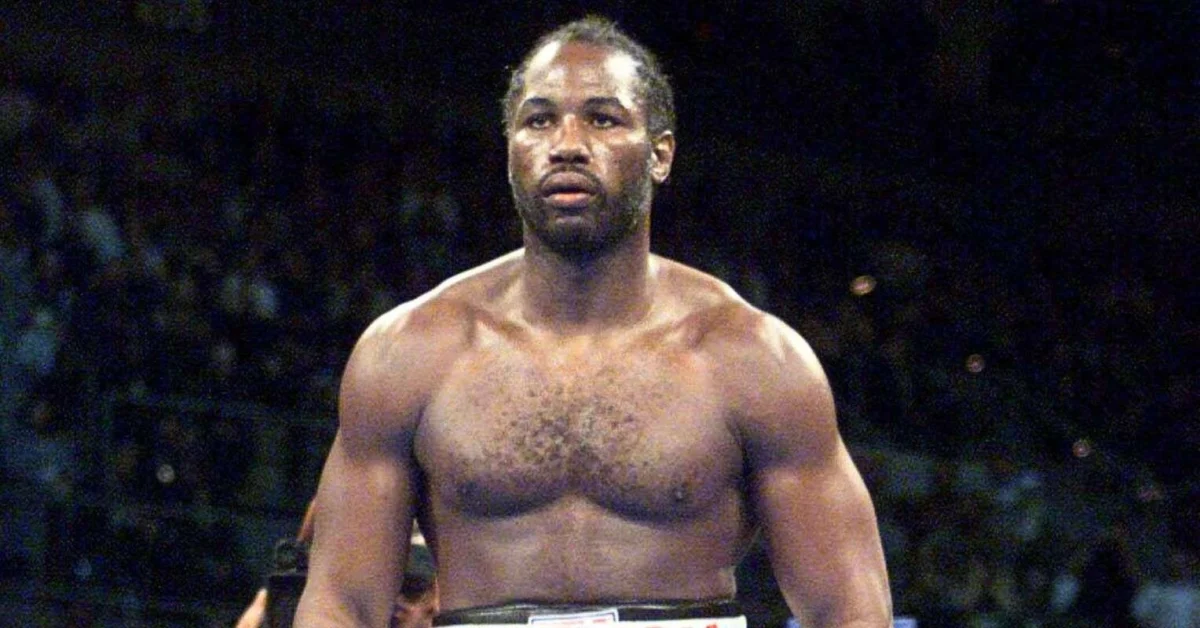
Lennox Lewis stands firmly in the pantheon of boxing history as one of the most dominant, technically proficient, and physically imposing heavyweight champions of the modern era. Standing six-foot-five with an exceptional wingspan, a devastatingly educated jab, and a ring IQ that routinely dismantled elite opposition, Lewis cleaned out the heavyweight division at the turn of the century. He conquered nearly every top contender of his generation, unified the belts, and earned a reputation as a nearly impenetrable force. Yet, the brutal theater of prize fighting has always been defined by a singular, unforgiving truth: even the greatest champions remain vulnerable, particularly when the dangerous cocktail of complacency, external distraction, and poor preparation takes root.
That vulnerability was brutally exposed on a fateful night in April 2001, in the high-altitude environment of Johannesburg, South Africa. There, Lewis stepped into the ring to defend his world heavyweight championship against Hasim Rahman. At the time, the bout was widely viewed by the global boxing establishment as little more than a routine speed bump—a mandatory tune-up fight designed to keep the champion sharp ahead of a lucrative, blockbuster mega-fight against Mike Tyson.
Rahman, while undeniably a talented contender with respectable power, entered the contest completely untested at the championship level. He had never previously fought for a world title, and oddsmakers reflected this lack of elite pedigree by installing him as a staggering 15-to-1 underdog. The consensus among analysts, promoters, and fans alike was not a question of whether Lewis would win, but rather how and when he would secure the knockout.
However, the glossy narrative of an easy defense ignored the hazardous realities unfolding behind the scenes during Lewis’s preparation. Known affectionately as "The Lion," Lewis had drifted away from the singular, monastic focus that typically defined his championship camps. Instead of dedicating himself entirely to the rigorous physical demands of defending a world title, Lewis spent a significant portion of his training camp distracted by Hollywood ambitions, filming a cameo appearance for the movie Ocean’s Eleven.
This division of labor and attention proved disastrous. Lewis arrived late in Johannesburg, giving his body inadequate time to adjust to the punishing physical effects of the region’s high altitude. He touched down in South Africa ill-prepared for the environmental challenges and the sheer aerobic strain of fighting thousands of feet above sea level, leaving his conditioning severely compromised before he even laced up his gloves.
In sharp contrast to the distracted champion, Hasim Rahman arrived in South Africa weeks in advance. He fully acclimatized to the altitude, soaked in the environment, and underwent a grueling, uninterrupted training camp fueled by the chip on his shoulder of being written off entirely by the boxing world. Rahman was acutely aware of the narrative surrounding the fight—that he was merely a stepping stone on the path to the Mike Tyson payday—and he channeled that disrespect into an obsessive, laser-focused determination.
When the opening bell rang, the atmospheric and preparatory discrepancies immediately manifested in the center of the ring. Lewis, usually a picture of athletic grace and sharp mobility, looked uncharacteristically sluggish, flat-footed, and lethargic. His punches lacked their customary snap, and his defensive reflexes were a fraction of a second too slow, allowing Rahman to press the action and build quiet confidence.
As the rounds ticked away, the underdog sensed the vulnerability of the great champion. Then, in the fateful fifth round, the entire landscape of the heavyweight division shifted on a single, perfectly executed blow. Rahman spotted an opening, stepped forward, and unleashed a clean, thunderous overhand right that caught the champion flush on the jaw.
The impact was absolute. Lewis went down hard to the canvas, his senses scrambled, and he was completely unable to beat the referee’s count.
The resulting knockout sent shockwaves rippling through the international sports world, instantly cementing itself as one of the greatest and most shocking upsets in heavyweight boxing history. Rahman was crowned the new unified champion, capturing the imagination of the sport, even if his reign was destined to be fleeting.
Despite the shocking nature of the defeat, Lewis wasted no time activating the contractual rematch clause. He returned later that year with a renewed sense of purpose, a pristine training camp, and a burning desire for redemption, dismantling Rahman with a brutal knockout to reclaim his rightful place on the heavyweight throne.
Reflecting years later on the defining two-fight saga of his career, Lewis offered a candid assessment of the lowest valley and highest peak of his storied journey.
"When Hasim Rahman knocked me out in 2001, it was the lowest point of my career," Lewis recalled. "I’d been champion, undefeated for years, and I got careless. People said I was done, that I’d never get the title back. I took it personal, he talked about my mom, my life, and I couldn’t let that stand."
The pain of the loss fueled an obsessive, punishing preparation for the immediate rematch in Las Vegas later that year, transforming a bitter setback into a masterclass of athletic vengeance.
"Training for the rematch was hell, I had to prove I wasn’t a fluke," Lewis said. "When I knocked him out in the fourth round, it wasn’t just about the belt, it was about showing the world I could come back from a loss and still be the best. That’s what boxing is: you fall, you rise."