


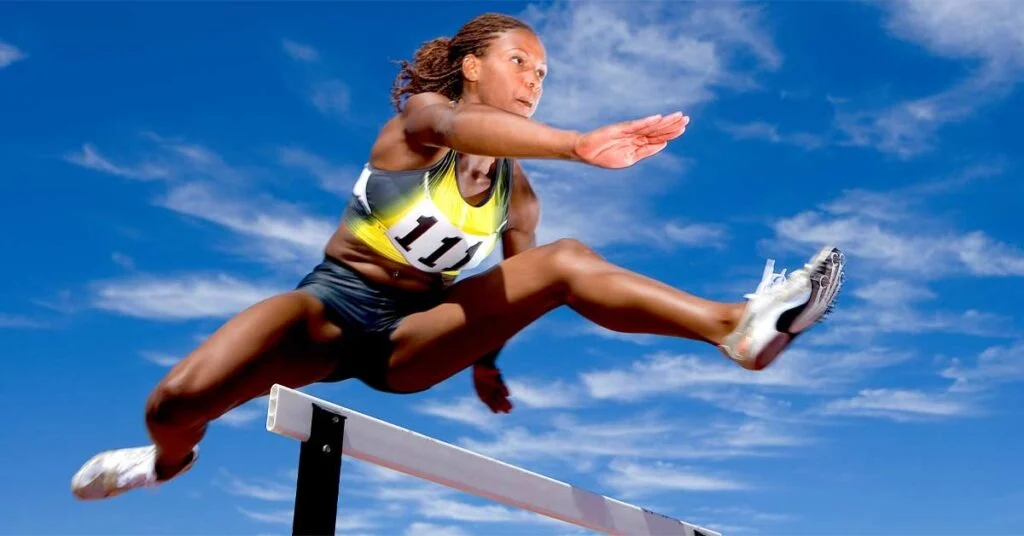
Track and field coaches often face a daunting paradox at the start of every new season. On one hand, the arrival of fresh talent and the prospect of building a competitive roster brings immense excitement. On the overarching other, the reality of managing large squads—sometimes numbering up to 40 athletes of widely varying skill levels—can quickly become overwhelming. For veteran coach Graham Eaton, this seasonal transition means confronting a fundamental truth of track and field: hurdlers and jumpers are, first and foremost, sprinters.
Published in October 2026, insights from Eaton’s coaching philosophy highlight a persistent challenge in the sport. Drills often suffer from a poor reputation, frequently dismissed by athletes as mere "filler" activities designed to kill time or manage volume. However, Eaton argues that these foundational movements are entirely indispensable for shaping developing athletes, especially when a coaching staff must juggle multiple technical events without falling into the traps of overtraining or under-preparation.
Managing Workloads and Technical Demands
Previously handling a massive portfolio that spanned short sprints from 100 to 400 meters, relays, both hurdle disciplines, and the horizontal jumps, Eaton recognized the vital need for creativity balanced with caution. Overworking raw athletes is just as detrimental as leaving them unprepared. Fortunately, support from colleagues—such as jumps coach Tyler Colbert—has helped streamline this immense workload.
Effective communication and microcycle planning between track and field event coaches are essential components of safeguarding athlete health while driving performance. By aligning jump sessions with the thematic focus of a given day, coaches can maintain moderate volume and intensity parameters. Yet, even with structured programs, the wide disparity in initial skill levels among a large roster can complicate matters. It is not uncommon to arrive at competition day feeling as though critical elements are still missing, particularly when athletes attempt to cross-train across high jump, long jump, and hurdles simultaneously.
By the midpoint of the season, a steady rhythm typically emerges, allowing for more event-specific preparation as championship phases approach. To bridge the gap before that stage, Eaton relies heavily on general drills integrated directly into the warm-up routine. These movements teach foundational mechanics to the entire squad at once, acting as prerequisites for more complex technical repertoires. Crucially, these exercises remain simple enough for athletes to peer-teach when a coach’s attention is momentarily drawn elsewhere.
The "Rain Dance" Drill and Hurdle Talent Identification
Within Eaton’s program, hurdlers are treated strictly as sprinters first. A foundational rule governs the discipline: if an athlete is slow, they cannot be an exceptional hurdler. Consequently, hurdlers typically complete half or the majority of the standard sprint training before finishing their repetitions early to transition independently into hurdle-specific drills, block starts, or modified repetitions featuring reduced spacing and height.
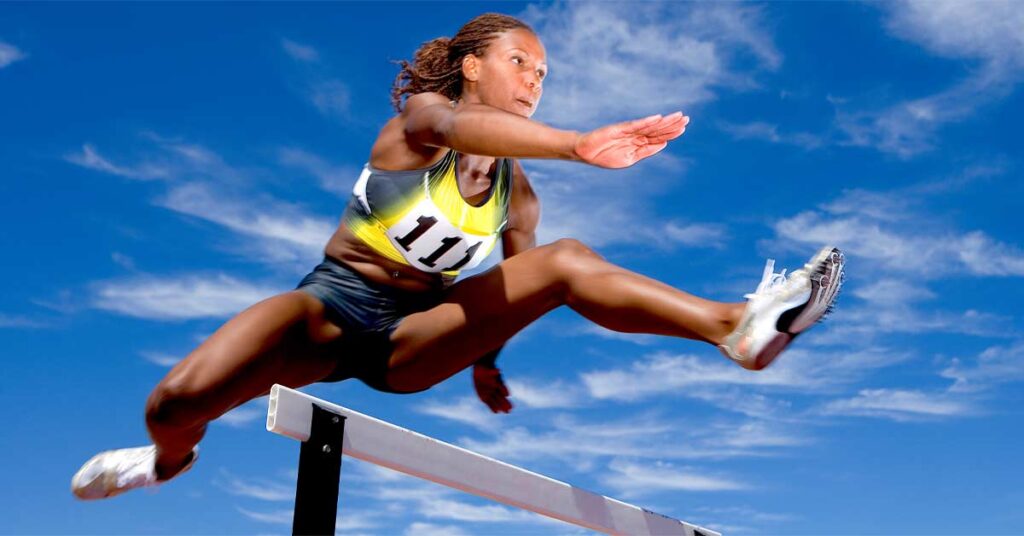
Identifying genuine hurdle talent early in a competitive cycle remains a priority. Many young aspirants simply lack the raw speed or stature necessary to execute a clean three-step clearance technique. Observations from Eaton’s top male hurdlers reveal a consistent benchmark: all have clocked under 12.0 seconds in the 100-meter dash. Speed serves as the ultimate predictor of future success across nearly all track and field disciplines.
To cultivate proper lead leg technique and arm positioning without the pitfalls of static wall drills, Eaton utilizes the "rain dance" exercise. Traditional stationary lead leg drills often feel overly relaxed to beginners, failing to translate effectively into dynamic movement. Furthermore, when coaches turn their attention to block starts elsewhere on the track, unsupervised athletes frequently resort to sloppy, flailing motions against the barrier.
The rain dance exercise provides a dynamic alternative that encourages self-organization and rhythm. While it does not teach proper takeoff distance or trailing leg mechanics, it excels at establishing balance and teaching athletes how to aggressively attack the hurdle. Because takeoff errors frequently cascade into subsequent phases of clearance and landing, coupling this drill with acceleration work has given many developing hurdlers newfound confidence heading into the first barrier. More importantly, because the exercise accommodates large groups, it allows coaches to spot natural rhythm and quickness early in the season—an invaluable asset for building a competitive team environment.
Gallop Mechanics and the Horizontal Jumps
Physics dictates that speed is just as critical in the long jump as it is in the hurdle events. However, despite the importance of raw velocity, many fast young athletes struggle to translate that speed into horizontal jump success. Common pitfalls include decelerating near the board, reaching or hesitating during the final approach steps, or striking the board heel-first. Without a proper takeoff, converting horizontal momentum into vertical lift becomes impossible.
To combat this hesitation, Eaton utilizes the gallop drill, which effectively functions as the penultimate-step exercise for the long jump. This movement allows athletes to execute multiple correct takeoffs consecutively without the psychological pressure of hitting a precise takeoff board. Throwing a novice jumper down a full runway without foundational mechanics amounts to setting them up for failure. The gallop develops the specific neuromuscular qualities required for an effective plant.
Integrating the gallop into training is remarkably flexible. It serves as an effective warm-up tool during speed days prior to 10-meter fly sprints, or as a seamless addition to acceleration chains. Eaton notes three distinct variations utilized in his program: low repetitive gallops, higher dynamic gallops, and gallop-into-sprint sequences.
Low repetitive gallops emphasize a rapid push-off from the penultimate foot, followed by a flat, controlled placement of the takeoff foot while keeping the gaze fixed at eye level. Once mastered, higher gallops force athletes to position the takeoff leg rapidly into an extended configuration, closely mimicking a full long jump takeoff. Finally, the gallop-and-sprint variation highlights which competitors can attack the takeoff without suffering a significant loss of velocity, reinforcing proper arm blocking mechanics where the arm opposite the drive leg is punched downward, backward, and subsequently over the top.
Integrating the Standing Triple Jump
Just like the hurdles and long jump, the triple jump demands immense patience. Rushing athletes into full approaches too early can permanently cement detrimental technical flaws. To counter this, Eaton utilizes the standing triple jump as a foundational teaching tool once basic jumping concepts are established.
Beginning from a stationary, feet-together position on turf or grass, athletes utilize an arm swing to drive vertically, pushing low off both feet to propel themselves onto their dominant takeoff leg. They then drive the opposite thigh parallel to the ground before landing on both feet with balanced weight distribution, a vertical torso, and a flat landing posture.
Initially, distance is entirely secondary to posture and correct foot placement. Even small, rhythmic repetitions build positive neural pathways for subsequent weeks. Verbal cues such as "left-right-together" help athletes internalize the sequence. As proficiency grows, the exercise evolves to encourage greater projection and lower takeoff angles, closely mimicking the dynamic bounding required in a full-approach triple jump. This low-impact exercise safely accommodates both beginners and seasoned competitors looking to refine mechanics or correct persistent faults.
Bringing It All Together
Integrating general and specific elements remains a cornerstone for coaches managing complex technical events. Because jumpers and hurdlers are fundamentally sprinters, any gains made in acceleration and top speed naturally cascade into improvements across technical disciplines.
The opening weeks of general preparation represent a critical window where simple, robust foundations dictate the success of the entire season. By utilizing targeted, high-value exercises like the rain dance, gallops, and standing triple jumps, coaches can effectively bridge the gap between pure speed and technical execution. When deployed thoughtfully within a structured training program, general drills cease to be empty filler and instead transform into powerful catalysts for athletic development.