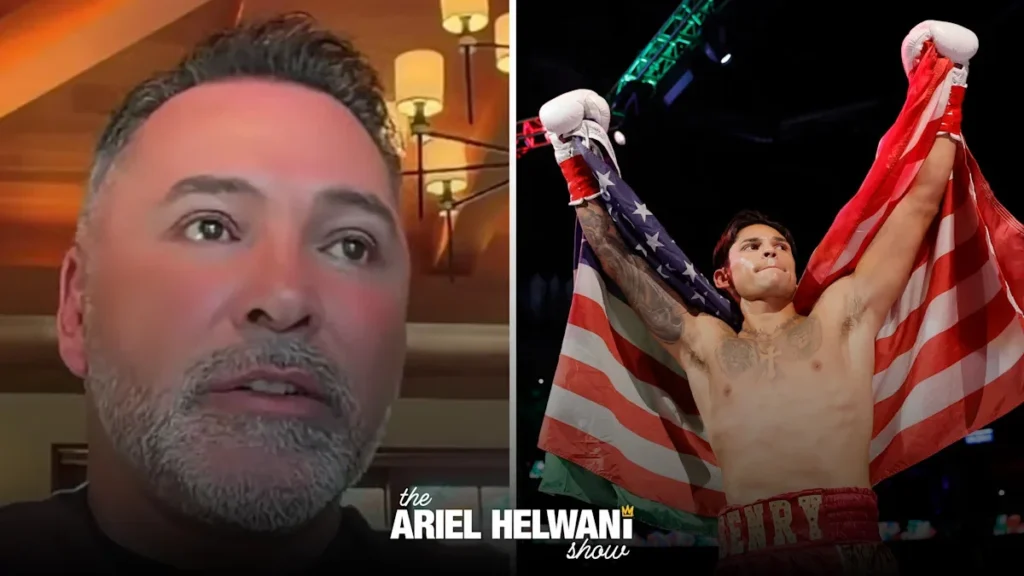
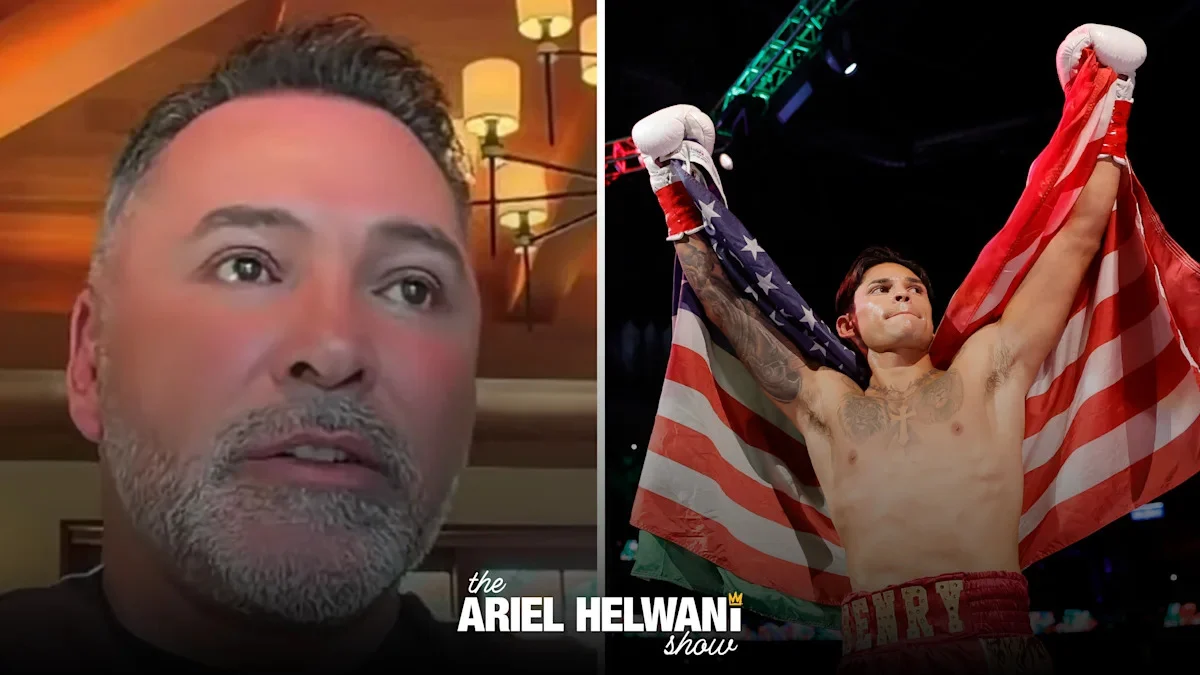
Oscar De La Hoya has stepped forward to address the turbulent and rapidly shifting landscape of modern boxing, offering an extensive perspective on the fallout from Ryan Garcia’s victory over Conor Benn, the behind-the-scenes drama that marked fight week, and the broader business crosscurrents currently reshaping the sport. The Golden Boy Promotions chairman and CEO found himself at the center of multiple overlapping storylines surrounding the event, navigating not only the competitive stakes of the matchup itself but also deep-seated promotional friction, contractual uncertainties, media ownership shifts, and high-profile matchups that have both succeeded and stalled across the industry.

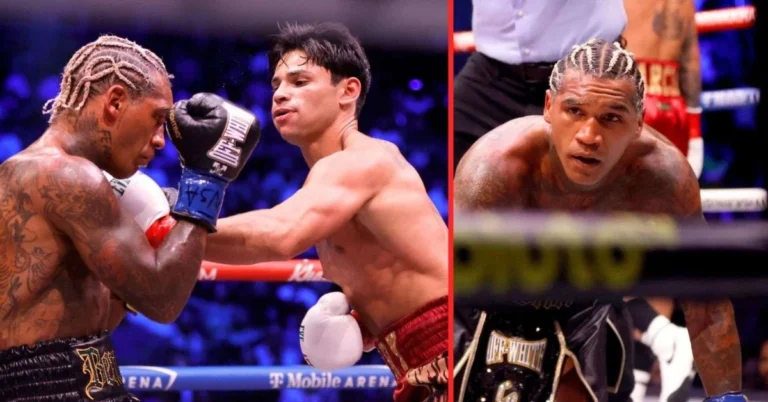
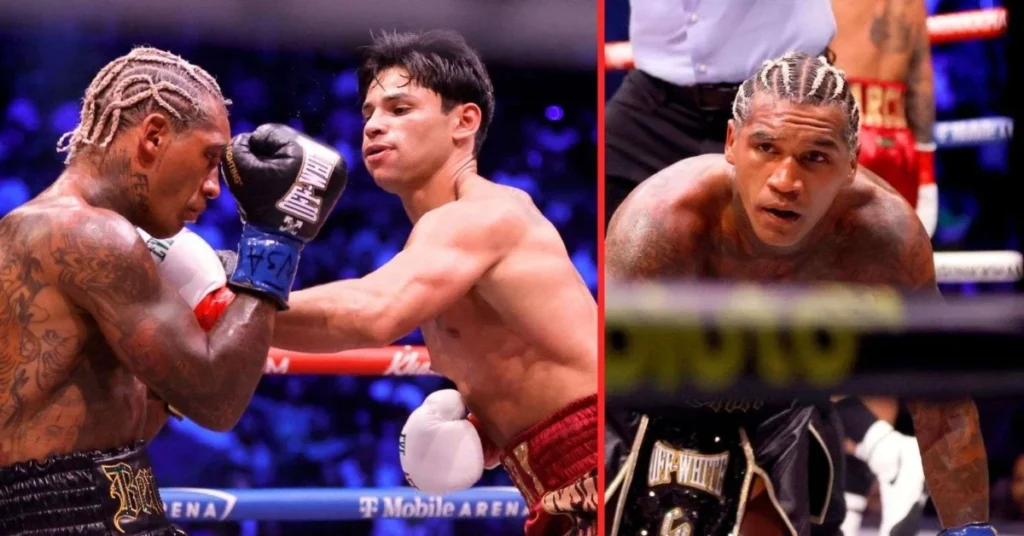
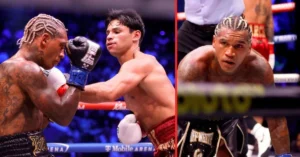
The marquee event between Garcia and Benn delivered high drama inside the ropes, with Garcia securing a pivotal victory that reinforced his status as one of the most lucrative and consequential figures in contemporary prize fighting. For Garcia, the triumph over Benn represented another chapter in an unpredictable yet undeniably high-voltage career. Benn, entering the contest carrying immense promotional backing and significant pressure from the United Kingdom market, presented a formidable and dangerous test. Garcia’s performance provided him with vital momentum, yet the aftermath of the contest has quickly pivoted from the technical action inside the ring to the complicated business mechanics playing out behind closed doors.
Central to that narrative is the simmering tension that defined fight week between De La Hoya and Zuffa Boxing. The intersection of traditional boxing promotion and the expanding ambitions of Zuffa—backed by the operational infrastructure and leadership of UFC chief executive Dana White—created an unmistakably combative atmosphere leading up to the opening bell. Long accustomed to being the primary orchestrator of major boxing spectacles, De La Hoya found fight week complicated by divergent operational philosophies, conflicting public stances, and personal animosities that have simmered between the executives for years. Rather than presenting a unified front, the buildup was punctuated by friction over logistical execution, public positioning, and the broader influence of mixed martial arts power brokers entering the traditional boxing space.

That tension is amplified considerably by Ryan Garcia’s looming contractual status. Garcia’s relationship with Golden Boy Promotions has stood as one of the most visible and scrutinized fighter-promoter partnerships in modern sports entertainment. While the union has generated massive pay-per-view numbers, sold-out arenas, and immense digital engagement, it has also endured recurring periods of public strain, marked by legal disputes, social media barbs, and candid disagreements over matchmaking, promotional loyalty, and long-term vision. With Garcia’s promotional agreement moving toward expiration, his approaching free agency represents a watershed moment for the sport. As a fighter capable of generating enormous revenue regardless of whether a world championship belt is on the line, Garcia possesses extraordinary leverage. De La Hoya’s efforts to retain his marquee superstar come at a time when competing promotional outfits, alternative platforms, and deep-pocketed outside entities are keenly watching the calendar, preparing to table lucrative offers should Garcia test the open market.
Compounding the promotional intrigue is the growing rivalry between Dana White and Matchroom Boxing head Eddie Hearn. Hearn, who has served as the driving force behind Conor Benn’s career and has spent years working to expand Matchroom’s footprint across North America and global markets, finds himself locked in an increasingly vocal battle for influence with White as Zuffa Boxing seeks a permanent foothold. The philosophical clash between Hearn’s traditional, fighter-centric promotional approach and White’s centralized, brand-first organizational model has ignited a fierce dialogue within the industry. De La Hoya, who has traded public barbs with both figures at various points throughout his promotional tenure, provided critical insight into how this high-profile rivalry impacts the negotiation table, the distribution of marquee bouts, and the delicate balance of power between competing promotional houses.

Beyond individual fighter negotiations and executive spats, De La Hoya also confronted reports surrounding the future of The Ring Magazine, the venerable publication widely revered for more than a century as the definitive record keeper and editorial authority of the sweet science. Acquired by De La Hoya under the Golden Boy Enterprises banner in 2007, the magazine has maintained a historic standing in the sport, particularly through its independent divisional rankings and prestigious championship belts. Reports indicating that The Ring could potentially be sold to sports streaming giant DAZN have sent ripples throughout the boxing media landscape. DAZN has long functioned as the primary broadcasting home for Golden Boy Promotions and other major boxing brands, making any transaction involving the historic publication a notable consolidation of media and commercial interests. Transferring ownership of such an iconic institution to an active streaming broadcaster raises fundamental questions regarding editorial independence, the governance of its recognized championship lineage, and Golden Boy’s broader strategic reallocation of assets.
De La Hoya’s comprehensive assessment extended further into the realm of championship-level matchmaking, addressing the ongoing movements of boxing’s pound-for-pound standard-bearer, Canelo Alvarez. The history between De La Hoya and Alvarez remains one of boxing’s most intricate and emotionally charged relationships. Once the crown jewel of the Golden Boy roster, Alvarez orchestrated an acrimonious split from the promotional banner in late 2020, embarking on a self-guided promotional path that has seen him collaborate with multiple promoters and networks on a fight-by-fight basis. Despite the years that have passed since their professional separation, De La Hoya remains a frequent and unfiltered commentator on Alvarez’s career decisions, opponent selections, and business maneuvers. As Alvarez prepares for his upcoming outing, De La Hoya’s insights reflect the complex mixture of institutional familiarity and sharp professional criticism that continues to characterize their dynamic.

In addition to evaluating the marquee names dominating the headlines, De La Hoya addressed the frustrating negotiations that prevented a long-rumored showdown between Vergil Ortiz Jr. and Jaron "Boots" Ennis from coming to fruition. Both Ortiz and Ennis have long been heralded as the future of the welterweight and super welterweight divisions—fearsome, technically gifted punchers whose collision was viewed by purists and casual fans alike as one of the best stylistic matchups available in the entire sport. Yet, as is frequently the case in modern boxing, the proposed clash ultimately disintegrated before contracts could be signed.
De La Hoya detailed the intricate roadblocks that caused the fight to fall apart, pointing to the structural hurdles that routinely derail premier bouts. Disagreements over financial splits, contractual obligations, broadcast platform alignments, and weight parameters all played pivotal roles in stalling negotiations. With Ortiz being guided under the Golden Boy banner and Ennis commanding significant backing on an alternative platform, bridging the commercial divide proved insurmountable. The inability to finalize Ortiz versus Ennis serves as a sobering reminder of the structural fragmentation that plagues the sport, where competing promotional allegiances and network silos frequently deny fans the most compelling competitive encounters during fighters’ physical primes.

The convergence of these multifaceted storylines illustrates a boxing industry caught in a profound period of transformation. Promoters are no longer simply competing against one another for broadcast television dates and local venue deals; they are navigating an international landscape increasingly driven by sovereign wealth investment, cross-disciplinary entertainment ventures, and fragmented digital streaming models. De La Hoya’s candid remarks on Ryan Garcia’s future, the tensions with Zuffa Boxing, executive turf wars, media acquisitions, and missed matchmaking opportunities underscore the relentless balancing act required to keep an established promotional powerhouse relevant. As the dust settles from Garcia’s latest triumph, the decisions made by Golden Boy Promotions, its rival promoters, and its signature athletes in the coming months will reverberate across the sport for years to come.