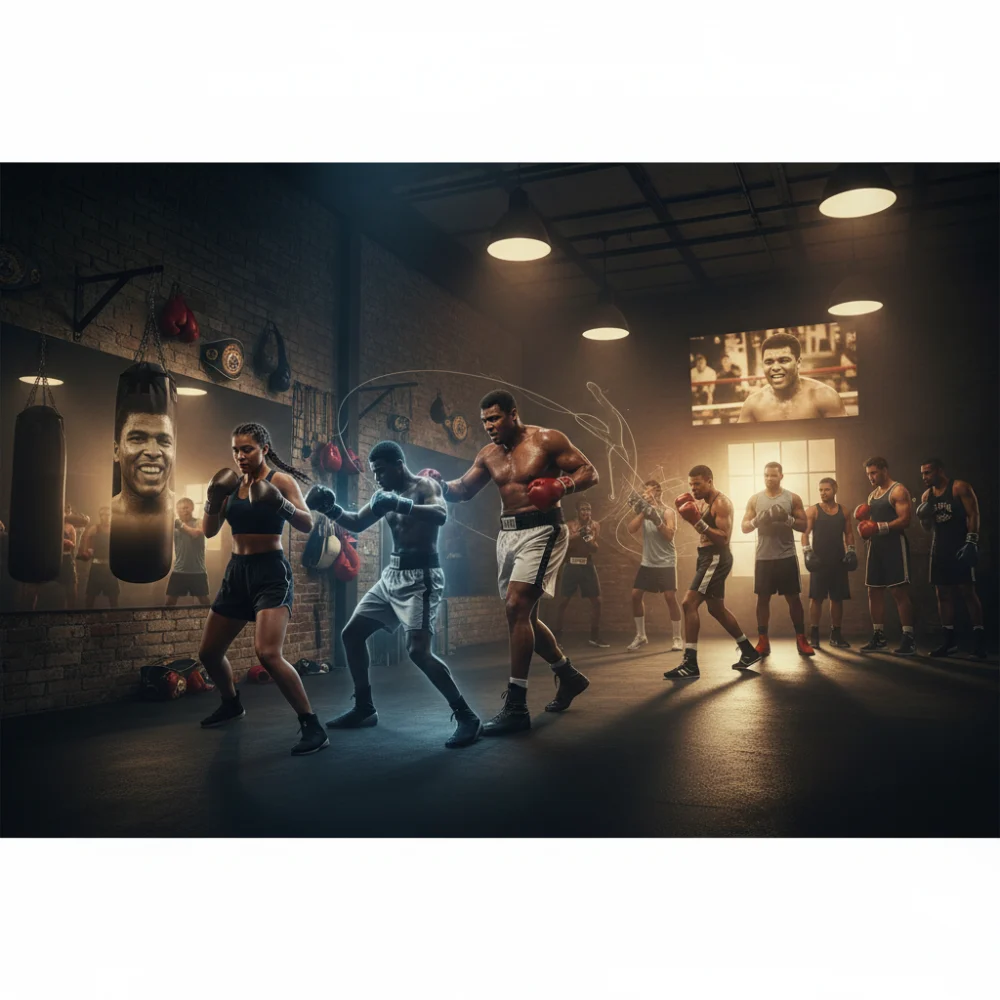
The Eternal Presence of Muhammad Ali
Muhammad Ali was more than just a boxer; he was a cultural phenomenon whose shadow looms large over every combat sports arena in the world today. Even for fighters born decades after his final retirement, Ali represents the gold standard of what an athlete can achieve both inside and outside the ring. His influence is not merely historical but functional, acting as a blueprint for success in the modern era of professional fighting.
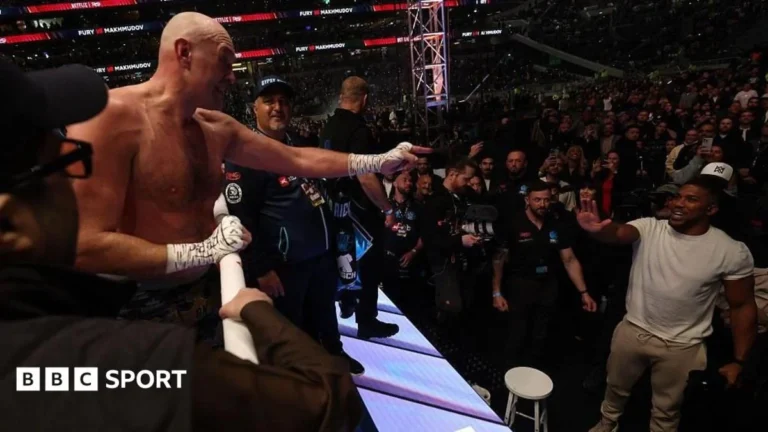
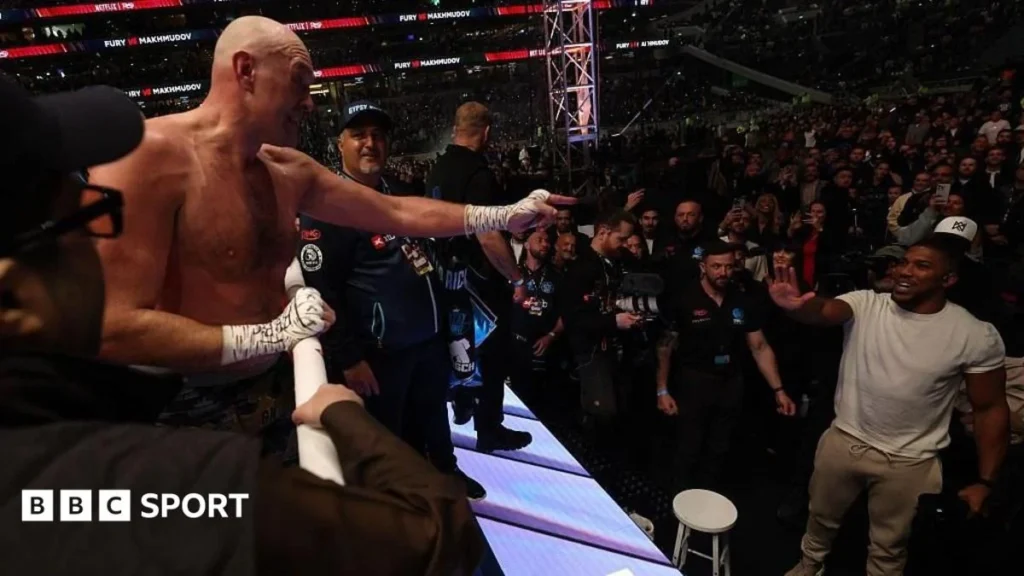
One of the most profound ways Ali influences fighters who never met him is through the art of psychological warfare. Before Ali, boxing was often a stoic affair. Ali introduced the concept of mental dominance before the first bell even rang. Modern stars like Conor McGregor and Tyson Fury have openly drawn from Ali’s playbook, using verbal dexterity to dismantle an opponent’s confidence long before they step into the cage or ring.
Revolutionizing Heavyweight Movement
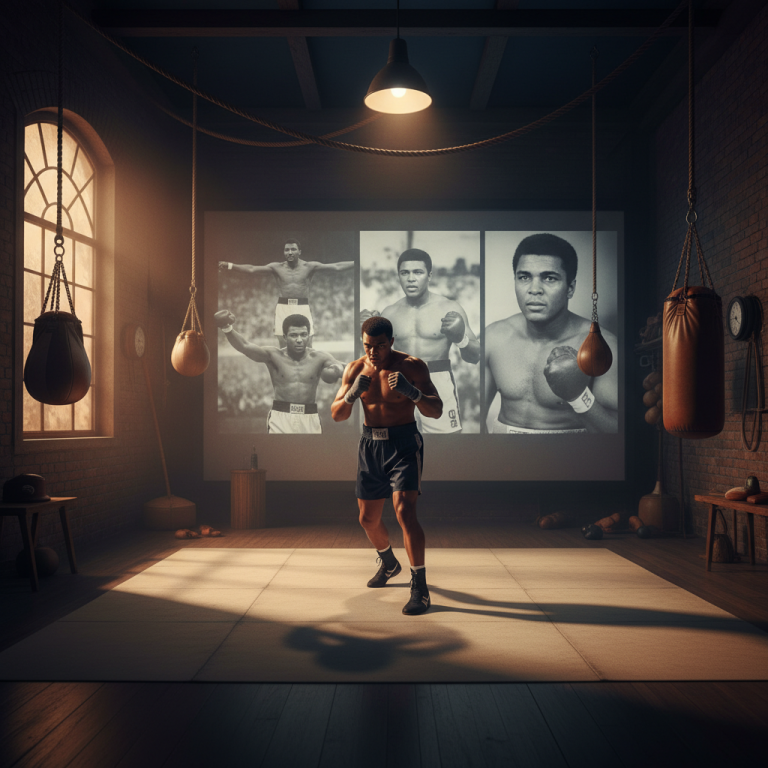
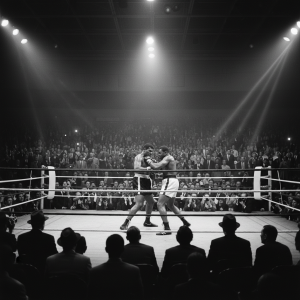
Prior to Ali, heavyweight boxing was characterized by flat-footed power punchers who relied on sheer force. Ali introduced a level of mobility and grace that was previously unseen in the higher weight classes. Today, young heavyweights study his footwork to understand how to move like a middleweight while retaining the power of a giant. His float like a butterfly philosophy is now a fundamental teaching point in boxing gyms globally.
The Ali Shuffle remains one of the most iconic displays of showmanship in sports history. While many see it as a mere taunt, modern analysts and fighters recognize it as a sophisticated tool for rhythm disruption. Fighters in the UFC and Glory Kickboxing often utilize similar bursts of footwork to reset their positioning or distract their opponents, proving that Ali’s tactical innovations are still effective in diverse combat disciplines.
The Power of Social Conviction
Ali’s influence extends far beyond physical technique. He taught fighters that they have a voice and a responsibility to their communities. In an era where athletes are often encouraged to stay quiet on political issues, Ali’s refusal to be drafted into the Vietnam War serves as a beacon of courage. Modern fighters who advocate for social justice or represent their heritage with pride are walking the path that Ali cleared with his own sacrifices.
In the realm of strategy, the Rope-a-Dope remains a masterclass in tactical patience. During the Rumble in the Jungle, Ali showed the world that a fighter can win by absorbing pressure and waiting for the opportune moment. This high-risk, high-reward strategy is studied by modern defensive specialists who look to weaponize their endurance against more aggressive, power-reliant opponents.
Global Branding and the Athlete-Promoter
Ali was the first true global sports brand. He understood the power of the media and how to craft a narrative that transcended the sport of boxing. Today’s fighters use social media as their platform, but the DNA of their self-promotion—the catchy slogans, the predicted rounds, and the larger-than-life personas—can all be traced back to the Louisville Lip.
Many fighters who never met Ali describe a sense of spiritual connection to his journey. Through documentaries, archival footage, and biographies, his life story serves as a universal manual for overcoming adversity. Whether it was his battle with Parkinson’s or his exile from boxing during his prime, his resilience offers a template for modern athletes facing their own career-threatening obstacles.
The Impact on Mixed Martial Arts (MMA)
The influence of Ali is not restricted to the squared circle. Figures like Dana White have often cited Ali as the first true MMA fighter because of his willingness to experiment and his cross-discipline bout with Antonio Inoki. Modern mixed martial artists study Ali’s distance management and head movement, integrating these boxing fundamentals into a multi-dimensional fighting style.
- Technical Mastery: Learning to punch while retreating, a skill Ali perfected.
- Media Savvy: Understanding that the fight starts at the press conference.
- Moral Courage: Standing for something greater than a championship belt.
Mentorship Through Legacy
Even without physical presence, Ali acts as a mentor. Coaches around the world use his quotes to inspire young athletes. When a coach tells a fighter that the will must be stronger than the skill, they are invoking the spirit of Ali. This legacy ensures that his philosophy is passed down from generation to generation, keeping his impact alive in every jab and every hook thrown by a novice.
The aesthetic of the modern fighter—the way they walk to the ring, the robes they wear, and the music they choose—often carries echoes of Ali’s flair. He made boxing a theatrical experience. Fighters today understand that they are entertainers as much as they are athletes, a concept that was solidified by Ali’s charismatic approach to the sport.
Ali’s influence is also seen in the way fighters handle defeat. His ability to lose his title and win it back multiple times redefined the narrative of failure. Modern fighters like Anthony Joshua or Israel Adesanya have spoken about the inspiration they draw from Ali’s ability to reinvent himself and return to the pinnacle of the sport after a loss.
A Symbol of Resistance and Identity
For many fighters from marginalized backgrounds or developing nations, Ali is a symbol of defiance against the status quo. He proved that a fighter could be unapologetically himself—black, Muslim, and outspoken—and still be loved by the world. This gives modern fighters the confidence to embrace their true identities without fear of alienating the mainstream audience.
Ultimately, Muhammad Ali’s influence on fighters who never met him is a testament to the power of a life lived with purpose. He transformed boxing from a brutal contest into a sophisticated art form and a platform for global change. As long as there are people willing to lace up gloves and step into the ring, the spirit of The Greatest will continue to guide their hands, their hearts, and their voices.