Almost fifty years after the Italian Stallion first charged into the cultural consciousness, Sylvester Stallone’s creation remains an indestructible cinematic phenomenon. The Rocky franchise transformed the struggling actor into one of the most recognizable and enduring global superstars in Hollywood history, cementing a legacy in the worlds of both cinema and boxing that will undoubtedly outlive him.
Yet, as Stallone reflects on nearly five decades of cinematic history, a surprisingly somber narrative has begun to emerge. Behind the inspirational training montages, the iconic theme music, and the thunderous applause of Academy Award recognition lies a deeply complex story defined by physical pain, severe injury, profound regret, and lingering financial frustrations. The legendary actor has opened up about the grueling reality of pushing the human body far beyond reasonable limits, revealing that the relentless pursuit of cinematic perfection came at an extraordinary personal price.
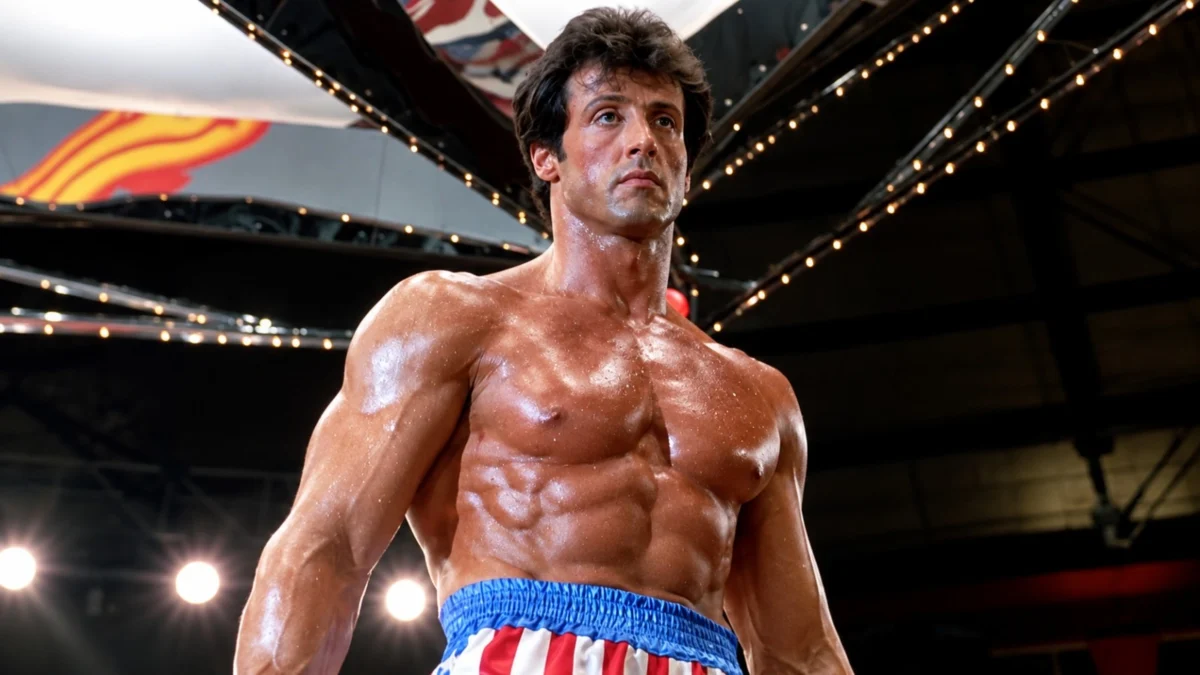
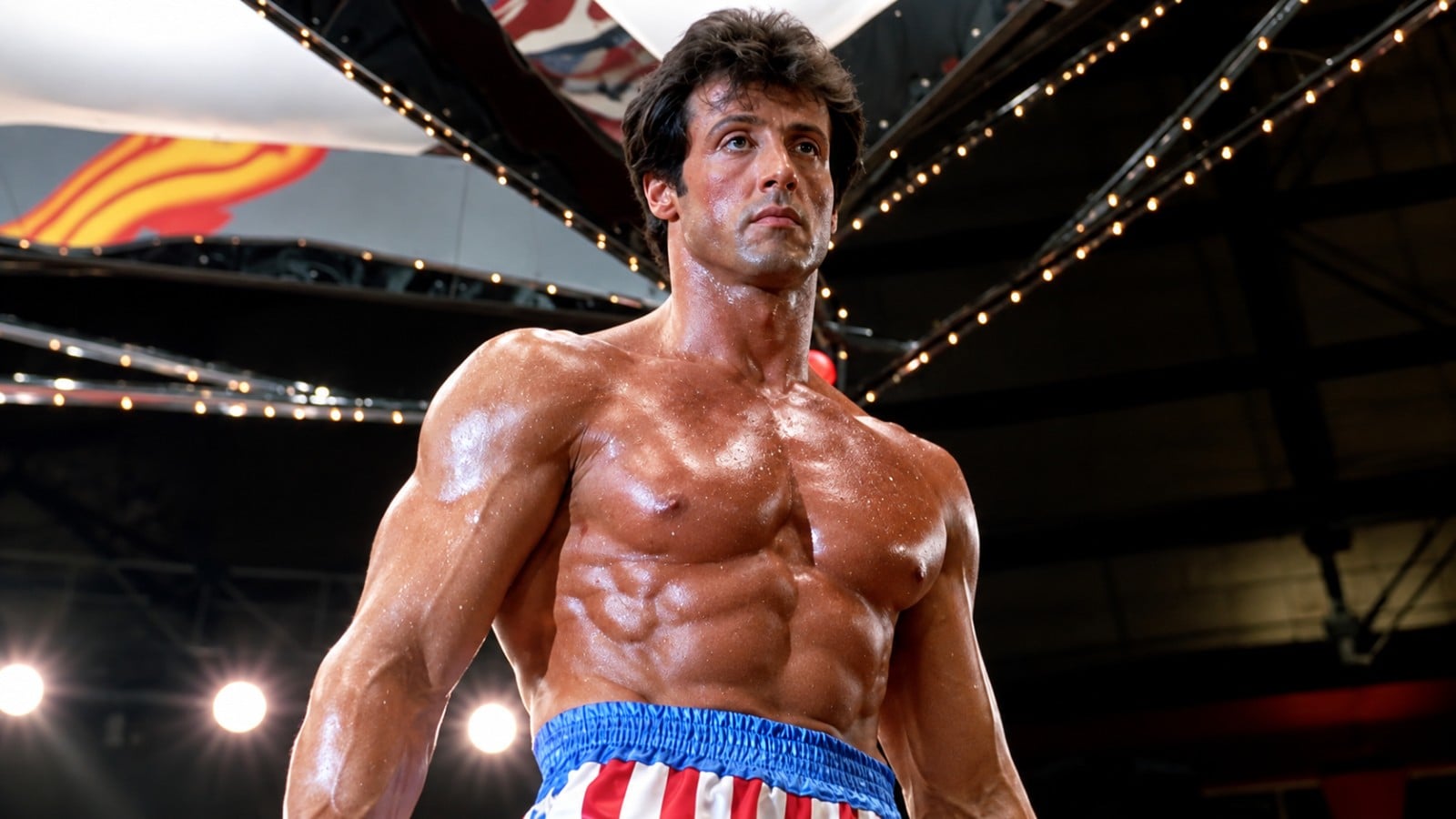
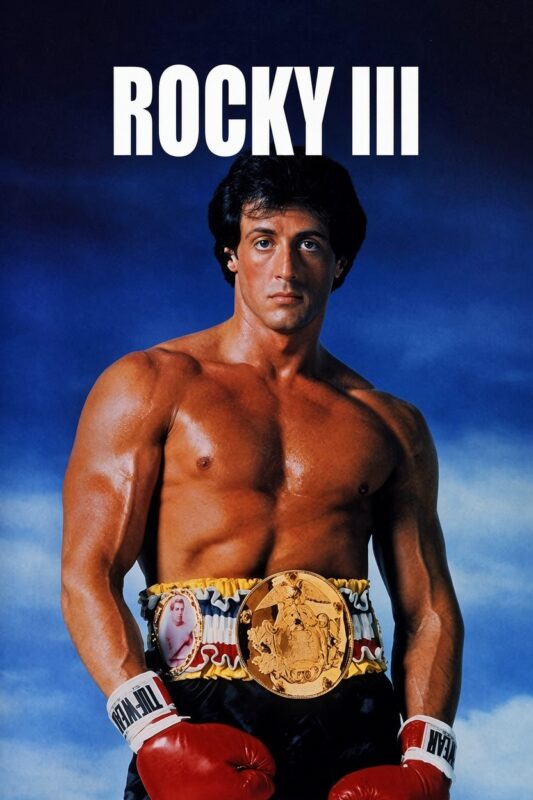
Among his most startling recent revelations is the dark reality behind the hyper-muscular physique he debuted in 1982’s Rocky III. As the franchise evolved, Stallone no longer wanted his fictional boxer to carry the relatively ordinary, everyday physique seen in the gritty, grounded 1976 original film. Instead, he envisioned a body that functioned as literal and figurative armor—an athletic, chiseled, and almost animalistic form that would come to define the action heroes he portrayed throughout the 1980s.
However, what began as a physical transformation for a role quickly spiraled out of control. In a candid interview with The New York Times, Stallone admitted that his pursuit of extreme conditioning turned into a severe psychological obsession.
During the production of Rocky III, Stallone famously whittled his body down to an astonishingly low 2.6 percent body fat. To maintain that precarious condition, he developed bulimia, falling into a destructive cycle that severely damaged his physical and mental well-being. He recalled that he could not keep food down, and often consciously chose not to, consumed entirely by the fear of losing his razor-sharp fitness level.
Furthermore, Stallone openly acknowledged that achieving such an extreme, unnaturally lean physique without pharmaceutical assistance was impossible. When asked directly if he used steroids during that era, the actor responded bluntly, noting that achieving and maintaining that specific look required performance-enhancing substances. Looking back across the decades, Stallone now readily concedes that his ruthless quest for the ultimate movie-star body took a devastating and lasting toll on his health.
Rocky III Became an Obsession
The extreme transformation seen in Rocky III was not an isolated incident; rather, it was part of a relentless pattern of physical punishment that spanned the most successful years of Stallone’s career. The punishing conditioning regimens continued as the character of Rocky Balboa marched into the mid-1980s, culminating in the heavily muscled, Cold War-era showdown of Rocky IV three years later.
Long before the grueling production schedule of Rocky II, Stallone had already begun accumulating severe injuries. While training heavily on the bench press alongside bodybuilder Franco Columbu prior to filming the second installment, Stallone suffered a catastrophic tear in his left pectoral muscle. Although emergency surgery repaired the trauma, the muscle was reportedly sewn back in an asymmetrical, twisted manner. The permanent disfigurement and lingering weakness eventually prompted the actor to cover his chest with extensive tattoos.
Moreover, Stallone was forced to dynamically adapt the choreography and production of Rocky II around the significant limitations placed upon his injured left arm.
The physical demands only escalated by the time cameras rolled on Rocky III. Stallone has previously recounted enduring grueling hours of intense training and full-contact sparring sessions on set, occasionally being asked to step into the ring with significantly larger, powerhouse fighters immediately after grueling sessions with co-star Mr. T.
While Stallone once famously characterized this era of his life and career as one of "painful fun," his perspective has shifted dramatically as he reflects on his choices at the age of 80. He now acknowledges that he severely abused his physical vessel, a reckless lifestyle that has resulted in a staggering medical chart: nine back operations, two major shoulder surgeries, and three separate neck fusions. Today, describing his physical state with characteristic bluntness, Stallone remarked that his body is essentially "held together with baling wire."
Rocky’s Physical Price
Yet, the immense physical damage represents only one facet of Stallone’s complicated, bittersweet relationship with his greatest artistic creation. The character of Rocky Balboa famously rescued Stallone from relative obscurity, turning a struggling actor earning just $1,400 in the year before the movie’s release into an overnight international icon.
The monumental success brought unprecedented wealth, critical acclaim, and multiple Academy Award nominations, elevating him to a cultural tier few actors ever reach. Even so, Stallone has frequently spoken out about his ongoing frustrations regarding the financial compensation he missed out on and his lack of ownership rights over the billion-dollar franchise he wrote and brought to life.
Furthermore, the dizzying heights of Hollywood success could not heal old emotional wounds. Stallone has recently reflected on attending the Academy Awards during the height of Rocky‘s initial triumph, a moment that should have felt like absolute validation. Instead, he found himself still desperately seeking love and acceptance from family members who had emotionally distanced themselves from him for much of his life. The bitter irony of achieving worldwide adoration while still experiencing personal rejection left a deep psychological mark, proving that international fame could not fix the traumas of his past.
The Cost of Creating Rocky
The financial and emotional bills are still being tallied, and Stallone harbors no romantic illusions about his current physical reality. Rejecting any notion that he remains the indestructible action hero audiences remember from the silver screen, Stallone describes himself today as only "sort of fit," noting that he now relies on "a lot of pills to keep going."
"It’s come at a terrible price," Stallone admitted, summing up the hidden cost of his cinematic triumphs.
Perhaps his most revealing sentiment centers on a profound hypothetical regret that encapsulates his current outlook on his career. When asked what he would change if he could turn back the clock, Stallone stated that he would pass the banner to someone else and firmly avoid performing his own dangerous stunts.
Reflecting on why he continually subjected himself to such severe physical trauma for his art creates a fascinating paradox at the very heart of the Rocky legacy. The character of Rocky Balboa was deliberately built around the themes of absorbing relentless punishment, getting knocked down repeatedly, and somehow mustering the superhuman grit to climb back up and keep moving forward. In bringing that narrative to life, Stallone mirrored his character’s fictional struggles through his own real-world suffering, punishing his own body in pursuit of cinematic authenticity.
Nearly fifty years later, the cultural impact of Rocky remains set in stone, a global phenomenon that no amount of time or physical pain can ever take away from its creator. But as Stallone continues to pull back the curtain on the grueling reality behind the triumphs, the true magnitude of his sacrifice becomes undeniable. The world received an immortal cinematic champion in Rocky Balboa, but Sylvester Stallone was the one who ultimately had to pay the bill.