

(This programme contains a reference to physical harm. The BBC Action Line has details of a range of advice and support for anyone affected by the issues raised.)
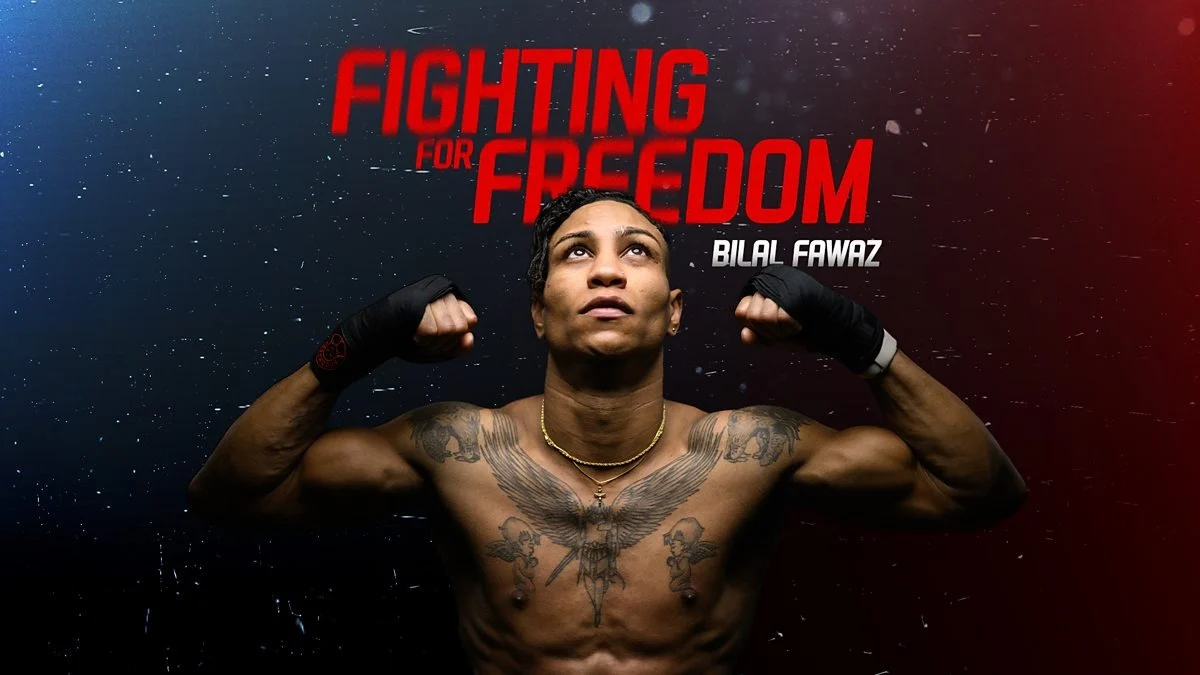
The extraordinary story of a British champion boxer who remains without a British passport after living in the country for more than two decades has captured public attention, highlighting the complex and often labyrinthine hurdles individuals face within the national documentation and immigration systems. Despite achieving elite status in sport and dedicating the vast majority of his life to living, training, and competing within the United Kingdom, this remarkable athlete continues to navigate an ongoing struggle to secure official recognition of his status through a standard British passport.
The case sheds light on the broader administrative challenges confronting long-term residents whose lives span international borders. For more than twenty years, the boxer has called Britain home, embedding himself within local communities, establishing a professional athletic career, and rising through the ranks to claim a prestigious national title. Yet, despite these deep-rooted connections and his contribution to British sport, the simple possession of a British passport remains frustratingly out of reach. This lingering bureaucratic limbo presents unique obstacles, particularly for a high-performing athlete whose profession inherently demands frequent international travel for training camps, global tournaments, and international bouts.
The situation has prompted widespread discussion regarding the complexities of documentation for foreign nationals who have resided in the UK for significant periods. While the individual has achieved the pinnacle of domestic sporting success—earning the title of British champion—the administrative reality of his legal and national status tells a contrasting story. Living in the country for over two decades typically signifies a lifetime of integration, during which an individual builds a career, pays taxes, and contributes significantly to the cultural and economic fabric of society. For an elite athlete, this integration is amplified by the public nature of their profession, where they proudly represent British boxing promotions and gyms on domestic stages.
The broadcasting of this compelling narrative through public media platforms has brought crucial visibility to the hurdles encountered within the system. As viewers tune in to learn more about the boxer’s journey, broadcasters have ensured that appropriate guidance is readily available for anyone who may resonate with the emotional and psychological strain of navigating complex institutional systems. The inclusion of resources such as the BBC Action Line underscores the serious nature of the challenges depicted, offering a safety net of advice and support for individuals who might be grappling with similar adversities, stress, or hardship arising from administrative or personal struggles.
The boxer’s ongoing ordeal serves as a powerful reminder of the gap that can sometimes exist between cultural integration and official documentation. In a sport where athletes are celebrated for their resilience, discipline, and determination inside the ring, this champion faces a very different kind of opponent outside of it—one governed by bureaucracy, documentation requirements, and administrative criteria. As his story continues to unfold in the public eye, it prompts broader conversations among sports fans, legal observers, and the general public about fairness, the definition of belonging, and the administrative pathways available to long-term residents who have given decades of their lives to the United Kingdom.