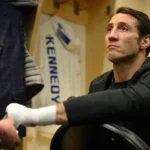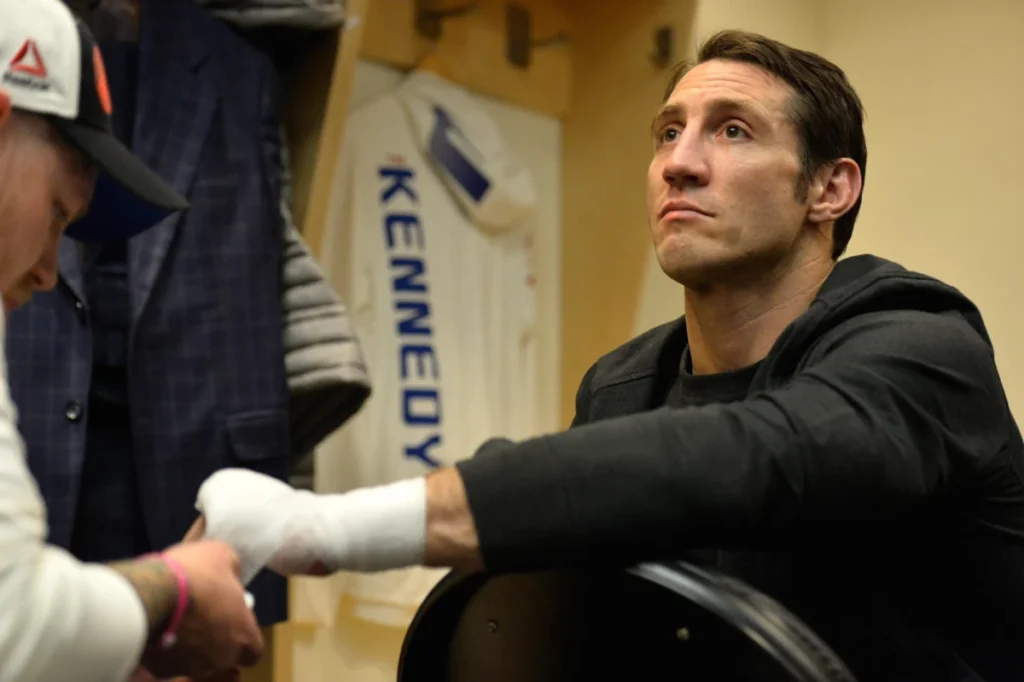

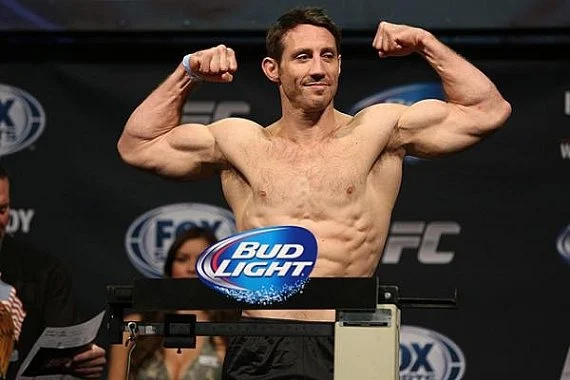
The incident, which reportedly took place on September 17, has drawn global attention due to Kennedy’s high profile as both a professional mixed martial artist and a Green Beret. According to reports from MMA Weekly and The New Zealand Herald, Kennedy was part of a small, three-man security or operational team that came under heavy fire during a mission in the Central African country. The exact nature and objectives of the mission remain shrouded in ambiguity, as official details regarding the operation have not been publicly confirmed by government bodies or private entities.
During the ambush, Kennedy sustained multiple gunshot wounds, specifically suffering three shots to the leg. Despite the severity of his injuries, reports indicate that his condition was stabilized following the attack. However, the operation carried a tragic toll. Former New Zealand Special Air Service (NZSAS) soldier Justin Conaglen was killed in the crossfire during the ambush. A third, yet unidentified member of the team, was also wounded alongside Kennedy during the violent encounter.
The logistics of the rescue operation were notably perilous. Following the attack, the surviving members of the team and the wounded operators faced a grueling ordeal, with reports indicating that the medical evacuation took nearly eight hours to execute. Given the remote and hostile nature of the region where the ambush occurred, extracting the casualties presented a massive logistical challenge. Following the initial extraction, Kennedy was subsequently medically evacuated out of the African continent and transported back to the United States to receive advanced medical treatment for his leg wounds.
Tim Kennedy reportedly shot three times in Congo attack that killed Justin Conaglen
The circumstances surrounding the deployment of Kennedy and his team to the Democratic Republic of the Congo continue to be a subject of intense speculation and inquiry within defense and intelligence circles. Kennedy, who competed at the highest levels of professional mixed martial arts from 2001 to 2016—facing top-tier opponents in organizations like the UFC, Strikeforce, and the International Fight League—has long maintained a dual career as a professional fighter and a member of the United States Army Special Forces. His extensive military background includes deployments to Iraq, Afghanistan, and various other global hotspots, earning him a reputation as a resilient operator both inside the cage and on the battlefield.
However, his presence in the Central African nation has sparked widespread questions regarding private security operations in the resource-rich but conflict-ridden country. The New Zealand Herald has cited various strands of speculation linking the operation to a private security firm associated with Erik Prince, the prominent founder of the private military contractor formerly known as Blackwater. Furthermore, unverified reports and regional rumors have raised the possibility of a confrontation or operational friction involving Russia’s Africa Corps, a paramilitary organization that has expanded its footprint across several African nations in recent years.
Despite these circulating theories, neither the connection to Erik Prince’s ventures nor any direct engagement with Russian forces has been officially confirmed by independent investigators, governmental agencies, or the private entities allegedly involved. The lack of transparent information underscores the clandestine nature of the activities conducted by private security contractors and former special operations personnel operating in volatile foreign territories.
The loss of Justin Conaglen has added a profound sense of grief to the international veteran community. Conaglen was widely respected for his elite background as an operator within the New Zealand Special Air Service, a premier military unit known for its rigorous selection process and high-stakes deployments. His death in the Congo highlights the persistent dangers faced by former elite soldiers who transition into private security, risk-assessment, and operational support roles in unstable regions around the world.
As recovery efforts continue for the wounded survivors, including Tim Kennedy, questions regarding accountability, the oversight of private security contractors in Africa, and the specific sequence of events that led to the September 17 ambush remain unanswered. With Kennedy currently recovering in the United States and federal and international authorities monitoring the fallout from the tragedy, the incident serves as a stark reminder of the hidden conflicts and high-stakes operations unfolding away from the public eye in Central Africa.