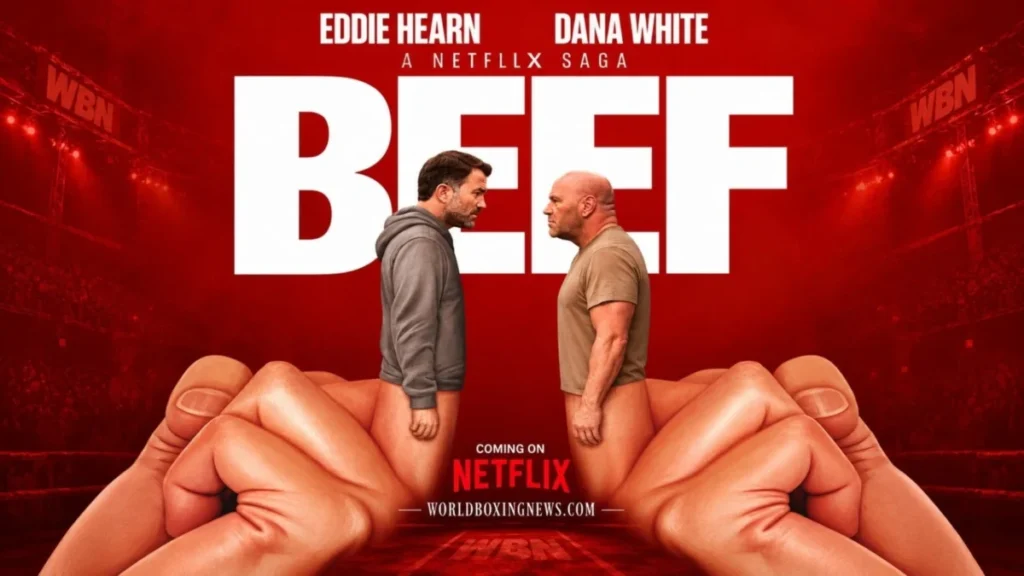

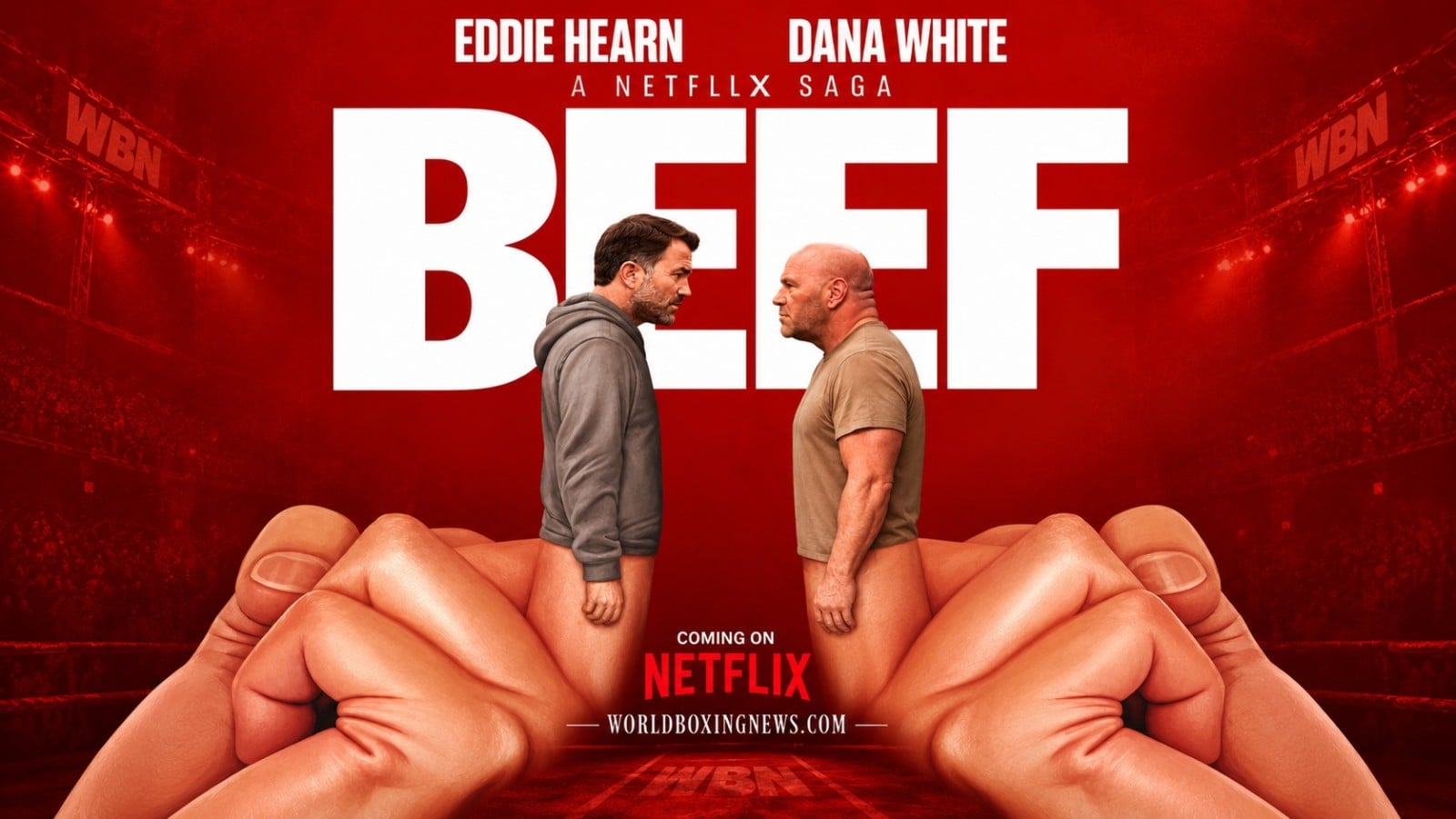
Cardiff, Wales — In one of the most bizarre promotional power struggles in modern combat sports history, UFC CEO Dana White has taken to his personal social media channels to actively push ticket sales for the upcoming heavyweight blockbuster between Tyson Fury and Anthony Joshua. This move comes even as Matchroom Boxing chairman Eddie Hearn continues to insist that the UFC boss has no contractual right to involve himself in the December 11 event without explicit approval.
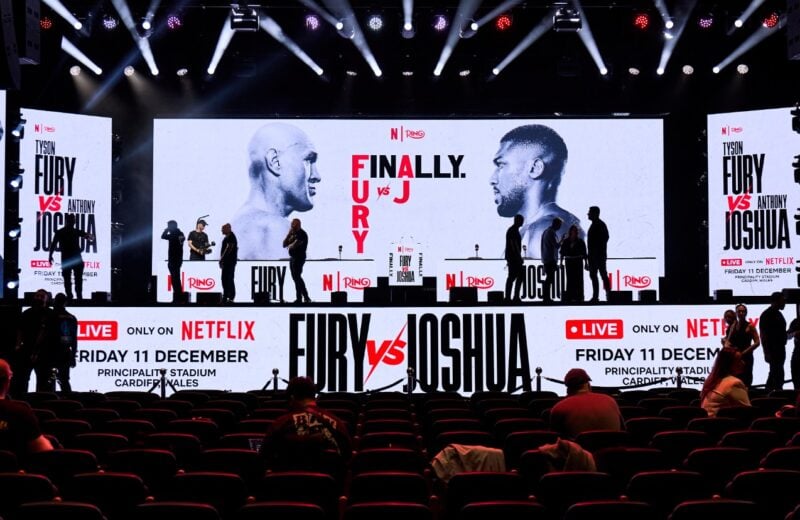
Tickets for the high-stakes clash at the Principality Stadium in Cardiff are scheduled to go on general sale on Friday. By utilizing his considerable digital reach to drive momentum, White is behaving exactly like a primary promoter of a mega-fight. Yet, this completely standard promotional practice has sparked outrage from Hearn, who has spent weeks maintaining that White’s name does not belong anywhere near the official paperwork.
While White maintains that he is actively producing and promoting the show alongside global partners, Hearn vehemently argues that existing contracts explicitly bar TKO Group and Zuffa Boxing from any such involvement. The high-profile standoff has seen Tyson Fury publicly accuse his own promotional team of putting the entire mega-fight in jeopardy, Netflix inadvertently associate White with the event in its promotional material, and the British Boxing Board of Control’s initial paperwork omit Zuffa Boxing from the list of licensed promoters.
Somewhere in the crossfire, White missed the initial launch press conference, Hearn declared a sweeping public relations victory, White doubled down on his assertions, and the two dominant figures in combat sports began trading increasingly sharp, personal attacks. Now, after weeks of jousting through interviews and headlines, a direct line of communication has finally been opened, setting the stage for a tense resolution to combat sports’ strangest promotional turf war.
How Dana vs. Eddie Unraveled
The friction between the two promoters predates the official announcement of the Fury versus Joshua matchup. From the earliest stages of negotiations, Hearn maintained that the multi-party agreements securing Anthony Joshua’s participation specifically excluded White and the broader TKO corporate umbrella from any commercial or operational involvement.
When pressed by reporters on whether revised financial terms or amended conditions might eventually open the door for White to share the promotional spotlight, Hearn’s stance was uncompromising. "No, or else there will be no fight and we’ll just keep going," he stated, drawing a hard line in the sand that would define the weeks to follow.
The rhetoric escalated sharply on September 11, when White publicly fired back at Hearn, accusing the British promoter of actively attempting to sabotage the historic all-British showdown. White expressed profound bewilderment, describing the situation as "the weirdest thing ever" given that he and Hearn had previously enjoyed a relatively cordial and cooperative relationship. White could not fathom why Joshua’s own promoter appeared so fiercely determined to block him from participating in one of the most lucrative events in boxing history.
Hearn, however, viewed the conflict through a strict legal lens. For Matchroom and Joshua, the core issue was never personal animosity, but rather the binding language of the signed contracts.
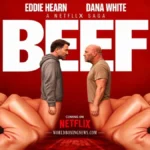
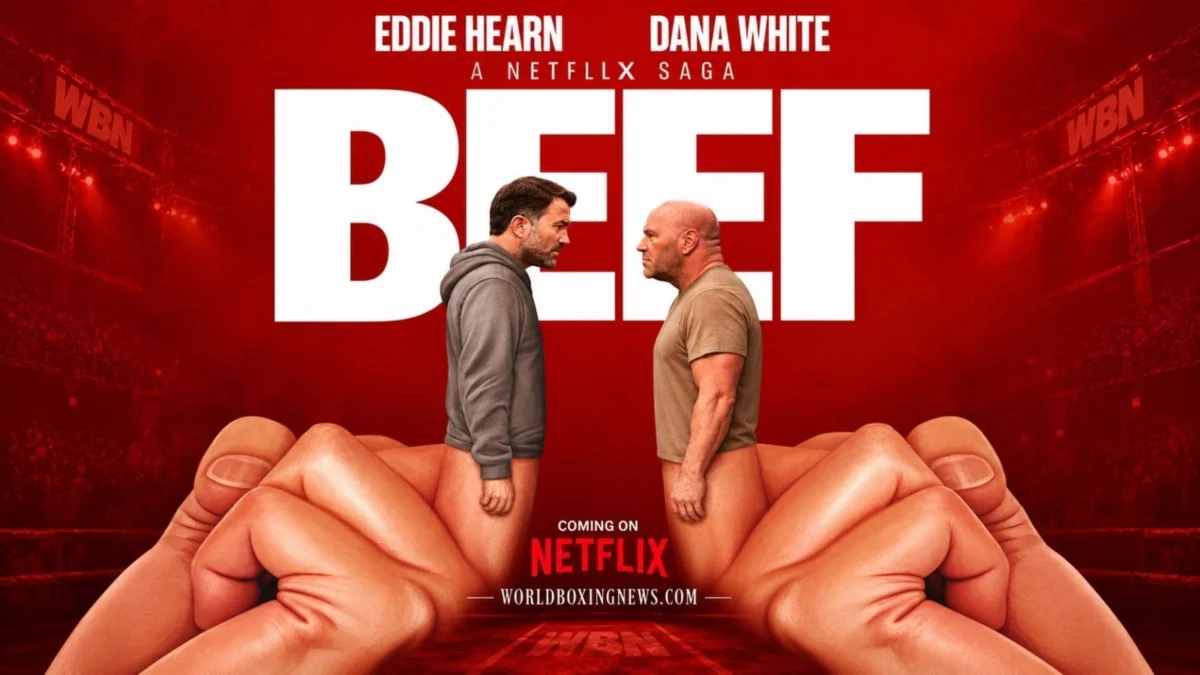
The promotional battle reached a surreal turning point on September 24, when Netflix officially confirmed that Fury vs. Joshua would stream live from Cardiff on December 11. Despite Hearn’s repeated assertions that White was persona non grata regarding the event’s promotion, Netflix’s official announcement explicitly associated the UFC boss with the promotional team. Hearn offered a memorable retort to the streaming giant’s press release: "Netflix clearly didn’t get the memo." While the fight itself was finally locked in, the bitter war over who actually held promotional rights was only intensifying.
The dispute quickly evolved from a war of words into a genuine threat to the bout. On September 26, Tyson Fury stunned the boxing world by claiming the entire fight was in jeopardy amidst the ongoing promotional chaos. Fury publicly accused Joshua and his team of attempting to pull out of the agreement. White later admitted there was widespread uncertainty regarding the status of the planned launch press conference as the friction mounted. What began as a disagreement over corporate credentials had suddenly become a clear and present danger to the undisputed heavyweight landscape.
The tension culminated on September 30 during the inaugural press conference in London. White had been widely anticipated to be the central talking point of the event, but he ultimately failed to attend, citing scheduling conflicts with his UFC commitments and lingering travel issues. His absence allowed Hearn to seize the narrative and declare a definitive victory in their public feud.
Adding salt to the wound, White’s name was audibly booed by sections of the crowd when mentioned on stage. Hearn did not mince words, describing the chaotic sequence of events as "one of the greatest PR disasters in boxing." Yet, while Hearn believed he had successfully defended his territory, White was merely shifting gears.
White Says He’s Producing It
Rather than stepping back following his absence from the London launch, White doubled down on his involvement with unprecedented confidence. Just days later, he made a staggering assertion regarding his operational role in the event. "We’re producing the show," White declared during an interview, drawing parallels to high-profile crossover events like Canelo Alvarez versus Terence Crawford and insisting that his seasoned UFC production crew would be directly handling the broadcast and staging for Fury versus Joshua. "I’ll be there. I’m producing it. I’m promoting it. I’ll see you in Wales."
This declaration flew directly in the face of Hearn’s interpretation of the contracts. On October 4, a visibly frustrated Hearn declared that White’s position had completely collapsed. "To be honest with you at this point, I think he’s completely cooked," Hearn said. "What he actually said was, ‘We are doing the TV production,’ which again in the contract is prohibited." Hearn noted that he had reached out to major stakeholders like Sela to confirm his legal interpretation, receiving backing that further fueled his confidence.
Nevertheless, White refused to back down, setting the stage for a bitter escalation that soon transcended business terms and entered personal territory. On October 5, White took direct aim at Hearn’s industry credentials, drawing unfavorable comparisons between the Matchroom chairman and his legendary father, Barry Hearn, while simultaneously offering praise for rival British promoter Frank Warren.
Hearn fired back the following day by launching an assault on the early performance of Zuffa Boxing. Hearn characterized the opening months of White’s boxing venture as "absolutely abysmal," despite the immense financial backing and powerful corporate connections at White’s disposal. Furthermore, Hearn questioned White’s strategic focus, arguing that the UFC itself was facing rising competition and desperately needed to cultivate new star power rather than expanding into an unfamiliar combat sport.
Yet, amidst the personal jabs and legal posturing, a subtle shift occurred. During the same media cycle, Hearn noticeably softened his absolute veto. His position evolved from claiming White could have zero involvement to indicating that he did not fundamentally care if TKO produced the show, provided that existing agreements were strictly respected and formal arrangements were settled with the parties already at the table. After weeks of unyielding hostility, a pathway to negotiation had finally opened.
Dana White Promotes Tickets
The thawing of relations took a tangible step forward on October 7, when Hearn revealed that he had finally been given White’s direct telephone number, enabling the two sides to transition from public media sparring to private, direct talks. Up to that point, the entirety of their high-profile feud had played out across interviews and digital soundbites rather than direct dialogue. Hearn indicated that he was fully prepared to broker a solution, provided the outcome aligned with the interests of Anthony Joshua, Matchroom, and the supporting stakeholders.
White, true to form, maintained a far less conciliatory public demeanor. He insisted that every claim he had made regarding his operational involvement in Fury versus Joshua was entirely accurate, casually suggesting that Hearn was free to pursue legal action if his contractual stance truly was as airtight as he claimed. White remained wholly steadfast in his assertions that he would be present in Cardiff, that his team was handling production, and that he was acting as an official promoter.
On Wednesday, White put his words into immediate action by utilizing his personal social media channels to aggressively market ticket sales for the heavyweight showdown ahead of Friday’s general release.
The core paradox of the situation remains that, despite weeks of vitriol and conflicting legal interpretations, the two sides are actively inching closer to a practical resolution. Hearn has shifted from outright opposition to a willingness to compromise, while White has never wavered from his stance that his boots are already on the ground.
After weeks of public wrangling over whether Dana White has any legitimate authority to promote Tyson Fury versus Anthony Joshua, the two prominent figures may finally be forced to sit down, speak directly, and formalize a role that White has already assumed. Until that definitive agreement is finalized, White appears entirely content to operate as though the debate has already been won.