
Rising mixed martial arts standout Carlos Prates has weighed in on the major talking point sweeping through the combat sports community this month, offering a blunt and unfiltered perspective on the high-profile hotel lobby altercation involving Usman Nurmagomedov and Merab Dvalishvili.
Speaking openly about the volatile confrontation that took place in Abu Dhabi, Prates stated that traditional codes of conduct simply do not apply when a dispute spills out of the athletic arena and into the streets. While the Dagestani contingent has faced widespread criticism and backlash from fans, media figures, and fellow fighters alike for what many perceived as an unfair numbers advantage during the brawl, Prates refused to pass harsh judgment on Nurmagomedov’s actions, emphasizing the raw, unpredictable nature of street altercations.
The dramatic flashpoint in Abu Dhabi, which occurred earlier this month, saw Usman Nurmagomedov and members of his traveling entourage physically engage with UFC bantamweight champion Merab Dvalishvili and his close friend and training partner, Saba Lazishvili, inside a hotel lobby. The sudden and chaotic incident quickly made waves across social media platforms, sparking intense debates regarding sportsmanship, fighter safety, and the boundaries of personal conflict outside of sanctioned athletic competition. Although public sentiment has largely leaned toward condemning the manner in which Dvalishvili was targeted by a larger group, Prates pointed out that viewing such incidents through the lens of organized sports is a fundamental mistake.
Carlos Prates Shares Blunt Take on the Nurmagomedov-Dvalishvili Brawl
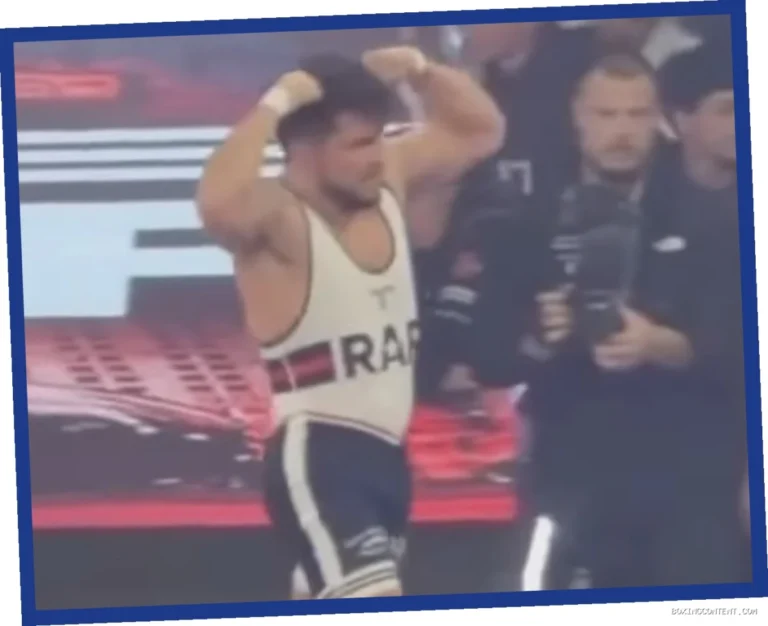
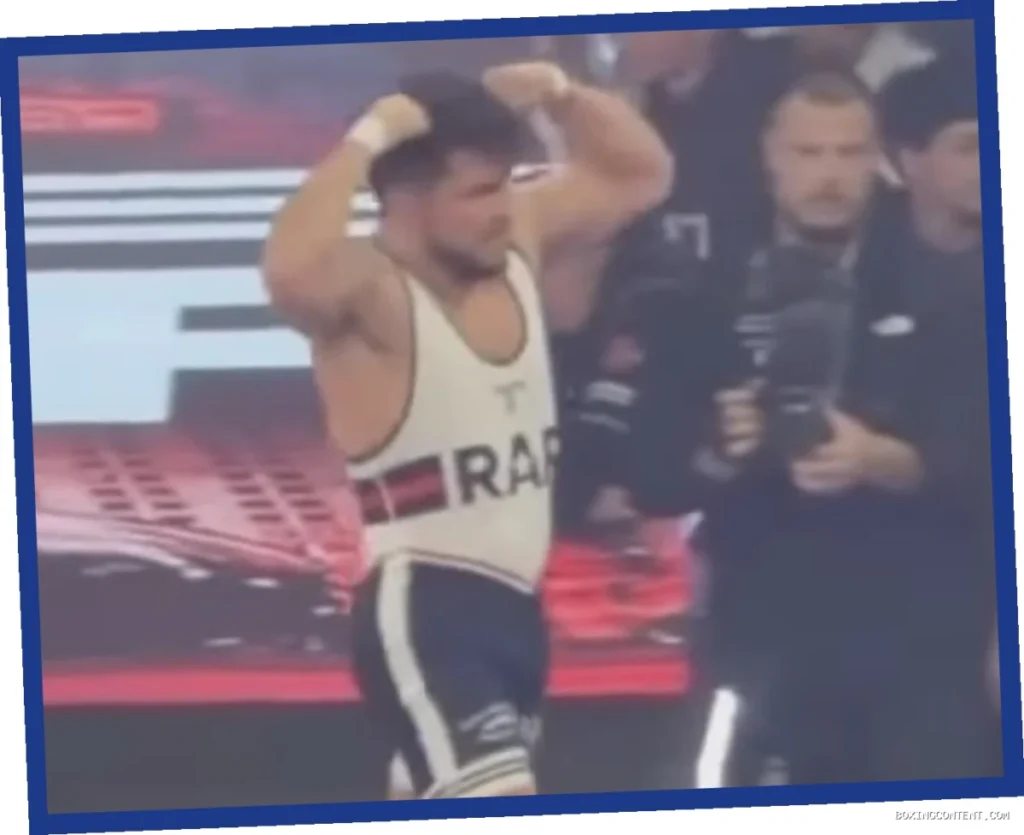
To fully understand the gravity and background of the Abu Dhabi hotel clash, observers must trace the animosity back to its origins, which initially flared up between Dvalishvili and Usman’s brother, undefeated Ultimate Fighting Championship bantamweight contender Umar Nurmagomedov. The underlying tension broke into the open months prior, stemming from a confrontation at a Real American Freestyle wrestling event held in the state of Georgia back in July.
During that event, an associate of the Nurmagomedov camp, Ahmed Gadzhimagomedov, approached Dvalishvili to confront him over allegations that the Georgian champion had been publicly badmouthing Umar. The verbal disagreement escalated swiftly when Dvalishvili struck Gadzhimagomedov with a sudden slap before event security personnel could step in to separate the two men and defuse the situation. While that initial encounter remained a singular, one-on-one confrontation between athletes and associates, the subsequent incident in Abu Dhabi transformed the personal beef into a much larger geopolitical and camp-versus-camp talking point.
Critics of the Nurmagomedov camp have heavily targeted Usman for allegedly jumping Dvalishvili alongside his entire entourage, creating an uneven playing field reminiscent of a mob attack rather than a professional athlete dispute. However, during a detailed discussion about the state of combat sports culture, Carlos Prates made it clear that he refuses to judge Usman for how the situation unfolded, reiterating his firm stance that street fights exist entirely outside the framework of rules and regulations.
Elaborating on his viewpoint during an appearance with veteran combat sports journalist Ariel Helwani, Prates provided a hypothetical breakdown to illustrate why traditional ethics vanish the moment a conflict turns physical outside of a gym or a cage.
"It’s hard because we’re talking about a street fight," Prates explained to Helwani during the interview. "Street fights have no rules. For example, you have a fight with my coach and then you beat my coach. And then, some months later, I meet you in the U.S., in some UFC show or something, me and my friends, of course I’m going to beat you and probably my friends are gonna help too. It’s a street fight… It’s the kind of thing I never do. But it’s a street fight, no rules."
Prates’ perspective highlights a deeply ingrained, albeit controversial, code among many professional fighters who view gym loyalties and personal honor as matters that transcend standard societal laws once a physical boundary has been crossed. By comparing the Abu Dhabi incident to a scenario involving a coach and teammates seeking retribution, the Brazilian knockout artist underscored the tribal loyalty that defines many top-tier fighting camps around the world. At the same time, Prates was careful to distance himself from initiating such conflicts personally, noting that while he understands the mechanics and lack of boundaries inherent to street violence, it is not an approach he chooses to practice in his own life.
As the combat sports world continues to debate the ethics of the Abu Dhabi hotel brawl, comments from active fighters like Prates provide a rare window into the mindset of professional athletes who navigate the fine line between regulated combat sports and the unpredictable realities of life outside the Octagon. With both parties remaining prominent figures on the global mixed martial arts scene, the ripple effects of the altercation and the ongoing discussions surrounding camp loyalties and street altercations are likely to persist for the foreseeable future.