
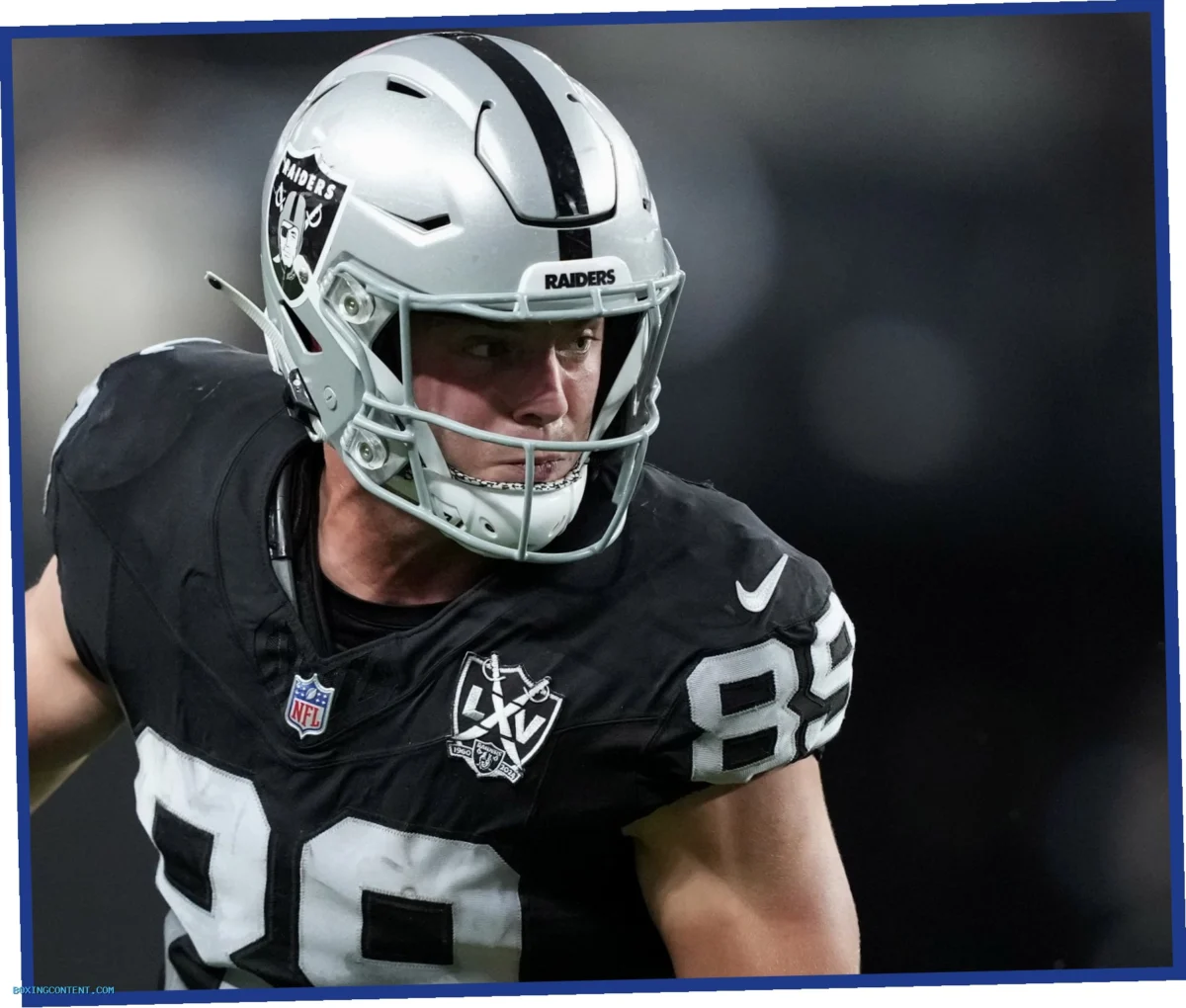
As the professional football landscape evolves through another demanding offseason, Philadelphia Eagles star wide receiver A.J. Brown remains firmly established as one of the premier offensive forces in the National Football League. Since arriving in Philadelphia via a blockbuster draft-day trade from the Tennessee Titans, Brown has reliably anchored the Eagles’ passing attack, consistently delivering low-end WR1 numbers for fantasy managers and anchoring a high-efficiency offense under head coach Nick Sirianni.
Across each of his three productive campaigns with the Eagles, Brown has maintained an elite baseline, averaging between 83 and 88 receiving yards per game while posting dependable PPR averages of 16.7 to 17.9 points contest after contest. While the overarching offensive philosophy in Philadelphia might yield fewer total target opportunities than what some of his elite positional peers experience in pass-heavy systems across the league, the Eagles’ scheme has proven exceptionally friendly for maximizing big plays and individual efficiency. Brown has averaged at least 9.2 yards per target and secured a minimum of seven receiving touchdowns every single year in a midnight green uniform.
Together with fellow standout wide receiver DeVonta Smith, Brown reliably commands well over half of the team’s total target share. Meanwhile, tight end Dallas Goedert operates as a distant third option in the passing game, leaving the rest of the roster to compete for remaining scraps. Over the tenure of Nick Sirianni’s coaching staff, a dependable third passing target has yet to firmly emerge, underscoring just how concentrated the Philadelphia aerial attack remains. At the same time, apart from occasional, manageable ailments involving his knees or hamstrings, Brown has shown no signs of athletic decline or slowing down as a player.
Standing 6-foot-1 and weighing a formidable 225 pounds, Brown ranks among the most physically imposing wide receivers in the entire league. Crucially, his massive frame has never come at the expense of his verified 4.49 speed in the 40-yard dash—clocked back at the 2019 NFL Scouting Combine—nor has it dampened his fluid agility. Approaching his 28th summer, the star wideout continues to excel at exploiting defensive coverages downfield or turning routine short receptions into massive gains after the catch. If there is any minor drawback to his statistical ceiling, it stems purely from the team’s balanced overall pass volume rather than his individual skill set. This dynamic often positions him as an exceptionally safe floor selection in fantasy drafts rather than a pure volume-chasing ceiling pick, making him an ideal target in the second round rather than the late first where he frequently went in prior years.
Brown’s first two seasons in Philadelphia yielded the two largest receiving yardage totals in the history of the storied franchise. Yet, his 2023 campaign ultimately left a bittersweet impression on many observers because a massive bulk of his production was heavily concentrated during September and October before the team endured a difficult slide down the stretch. He famously ripped off a historic streak of six consecutive games with at least 127 receiving yards from Weeks 3 through 8. Following that explosive stretch, however, he managed just two touchdowns and a single 100-yard outing the rest of the way, despite maintaining an average of 9.4 targets per game from Weeks 9 through 17.
The frustrating conclusion to his regular season was capped by a knee injury that forced him to miss Philadelphia’s postseason matchup against the Tampa Bay Buccaneers—marking his first missed game since 2021. Fortunately, the injury was not expected to linger or negatively impact his offseason conditioning and preparations. Demonstrating his commitment to the franchise, Brown personally called into a Philadelphia sports radio station in February to forcefully shut down speculative trade rumors that had begun circulating in the media. Shortly thereafter, his long-term future in the city was officially secured when he signed a lucrative three-year contract extension in April.
Entering his age-27 season, Brown transitioned to working under newly hired offensive coordinator Kellen Moore, who joined the organization following a challenging 2023 campaign with an injury-plagued Los Angeles Chargers squad. Moore was slated to take over play-calling duties in Philadelphia, mirroring the structure utilized by former coordinator Brian Johnson. Within Moore’s offensive framework, an emphasis was anticipated to keep DeVonta Smith more heavily involved, especially after the statistical target gap between Brown and Smith widened noticeably between the 2022 and 2023 seasons. However, coaching adjustments of that nature were widely expected to draw targets away from secondary offensive contributors rather than cutting into Brown’s established share of the pie. The potent combination of his prime athletic age, elite talent, and established rapport with quarterback Jalen Hurts cements his status as one of the safest investments among players selected in the late first or early second round of fantasy drafts.
The dominant physical traits that Brown originally displayed during his three seasons with the Tennessee Titans finally translated into dominant, record-setting statistics once he escaped a historically conservative offensive scheme in Tennessee and stepped into a more dynamic, spread-out system in Philadelphia. During his initial breakout year with the Eagles, he shattered his previous personal highs across the board, besting his prior career-best marks by significant margins: 39 more targets for a total of 145, 18 more receptions for 88, and a staggering 421 additional receiving yards to finish with 1,496.
That watershed year was marked by widespread individual success across the entire Eagles offense. In addition to Brown’s career milestones, DeVonta Smith, quarterback Jalen Hurts, and running back Miles Sanders all posted standout numbers, heavily aided by an offensive line widely regarded as the best in professional football. Personnel shifts eventually followed, with Sanders departing in free agency and offensive coordinator Shane Steichen having previously moved on to a head coaching role, leaving internal promotions and veteran additions to step into supporting casts. Yet, the Eagles successfully avoided the massive roster turnover that frequently plagues recent Super Bowl participants, particularly on the offensive side of the ball. This stability ensured that Brown, Smith, and Goedert retained ample time and continuity to run routes behind a premier offensive line and alongside a uniquely mobile quarterback.
While the inherently conservative passing volume of the offense remains the sole minor critique from a purely statistical fantasy standpoint, Brown has consistently proven that he does not need hyper-inflated target numbers to produce. Instead, he relies on explosive big plays and frequent trips to the red zone to sustain high-end production.
Reflecting on his trajectory, Brown has consistently commanded profound respect from opposing defensive coordinators ever since entering the league as a second-round draft pick in 2019 out of Ole Miss. Even as a rookie who initially played on limited snap counts, he managed to surpass the 1,000-yard receiving mark, instantly establishing himself as one of the most dangerous yards-after-catch threats in the NFL. That immediate success hardly came as a shock to talent evaluators who watched him put up consecutive 1,200-yard seasons at Ole Miss while operating as the undisputed primary target ahead of collegiate teammate DK Metcalf.
At the 2019 NFL Combine, Brown measured in at 226 pounds and ran a blazing 4.49-second 40-yard dash. While his testing metrics fell just short of Metcalf’s extraordinary measurements, Brown possessed a rare blend of traits: the size and punishing contact balance of an every-down running back combined with the exceptional fluidity, body control, and hand-eye coordination of an elite wide receiver. Unfortunately, those elite gifts were only witnessed in flashes during certain stretches of his career due to physical setbacks. During one particularly grueling campaign, Brown missed four full games, nearly all of a fifth, and fought through multiple other contests while playing at significantly less than 100 percent health. Consequently, his totals dipped below the 1,000-yard threshold for that specific year, despite him still churning out three separate performances with at least 133 yards and a touchdown, plus another stellar outing in the postseason.
The foundation of his professional career began in Tennessee, where the 22-year-old rookie immediately stamped his name across the league as one of the most efficient players-per-touch in football. Despite catching passes from a combination of Marcus Mariota and Ryan Tannehill on a team that prioritized a run-heavy attack, Brown led all rookie receivers in total receiving yards and tied for the rookie lead with eight touchdown catches. His 12.5 yards per target ranked first among all qualifying wide receivers with at least 80 targets, and his eight explosive receptions of 40 yards or more tied for the league lead. That debut dominance even featured a memorable 49-yard rushing touchdown to underscore his game-breaking versatility.
At 6-foot and 226 pounds, Brown routinely presented an impossible physical mismatch for smaller, traditional cornerbacks. His broad frame, functional strength, and sudden explosiveness allowed him to easily break initial arm tackles in the open field. Furthermore, his reliable hands were highlighted by a minuscule drop rate during his formative years. Despite his ideal physical profile for red-zone success, his early deployment near the goal line was surprisingly sparse, seeing limited targets while still managing to find paydirt with impressive regularity.
The primary barrier to an even higher statistical ceiling during his early years in Tennessee always centered on raw opportunity. Under head coach Mike Vrabel and offensive coordinator Arthur Smith, the Titans operated a deliberate, run-centric philosophy built around star running back Derrick Henry, finishing seasons near the absolute bottom of the league in total pass attempts. That structural constraint naturally capped Brown’s target volume, making it difficult for him to challenge the league leaders in raw receptions despite his elite efficiency.
Nevertheless, whether catching passes from Marcus Mariota, anchoring the aerial attack alongside veteran additions like Julio Jones during subsequent chapters in Tennessee, or establishing himself as a franchise cornerstone in Philadelphia, Brown has consistently defied defensive game plans. Armed with a rare combination of size, speed, durability, and natural play-making instinct, A.J. Brown enters the upcoming chapter of his career firmly positioned among the elite tier of professional wide receivers.