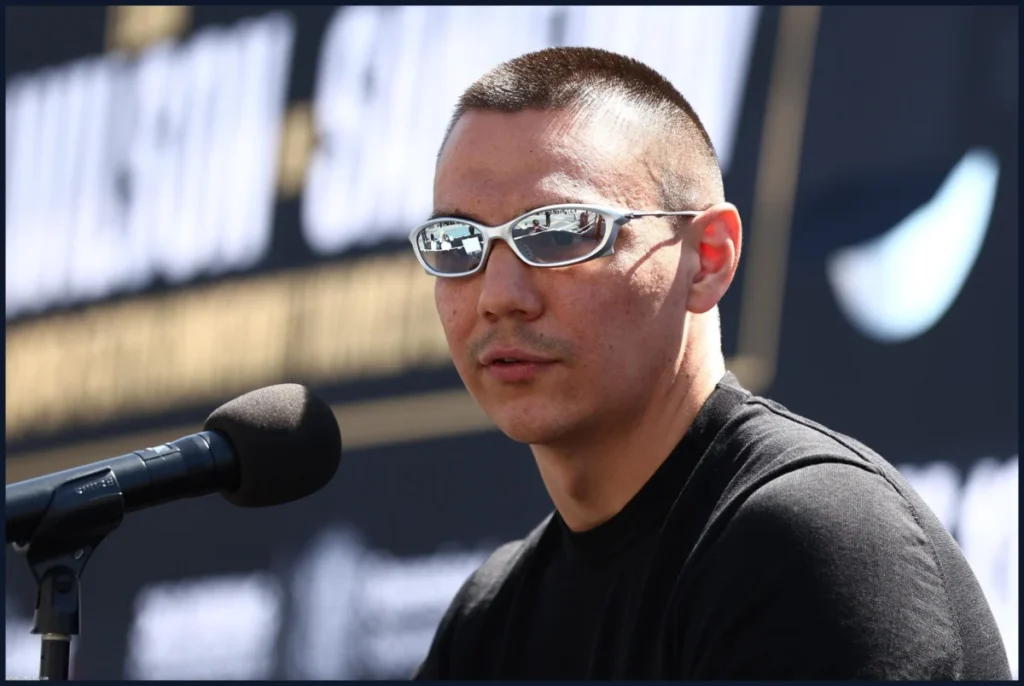
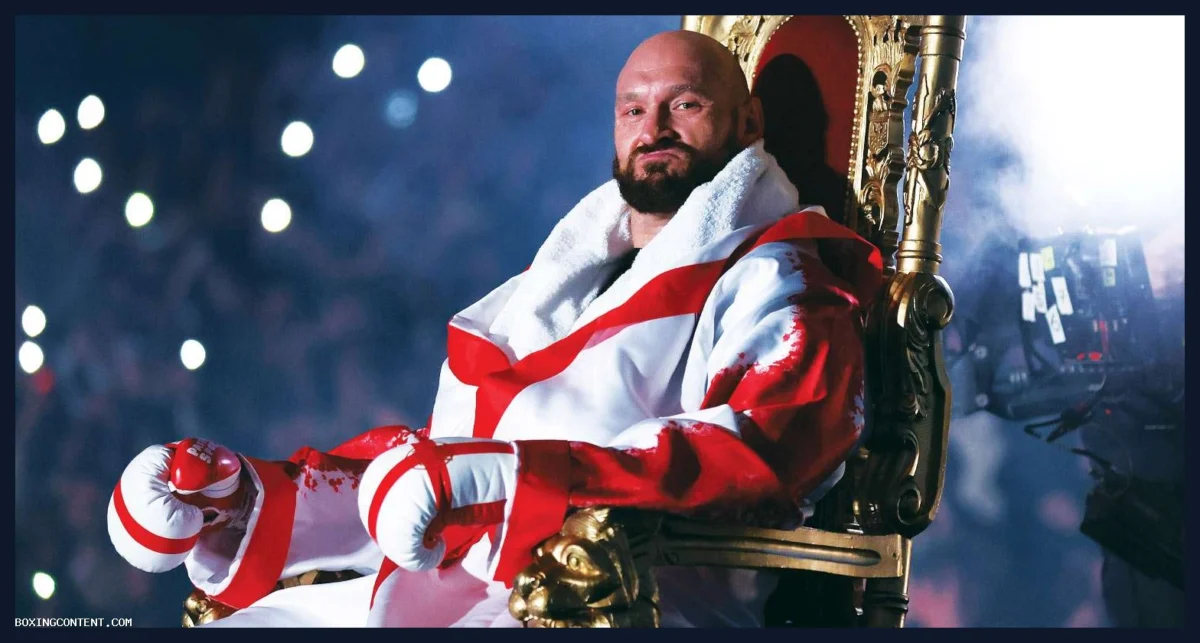
Throughout a turbulent and decorated career spent under the unforgiving glare of the global spotlight, Tyson Fury has repeatedly asserted his status as one of the finest heavyweight boxers ever produced by the United Kingdom. From silencing hostile arenas abroad to orchestrating high-stakes nights in the world’s fight capitals, the self-proclaimed "Gypsy King" has constructed a legacy defined by daring gambles and against-the-odds victories. Yet, as he prepares to take part in one of the most commercially lucrative spectacles the sport has ever witnessed, Fury has offered a definitive reflection on his past, pinpointing the single performance he views as the absolute sporting peak of his entire fighting life.
Speaking candidly to Ring Magazine, the British heavyweight revealed that his devastating second encounter with Deontay Wilder represents his crowning achievement inside the squared circle. While many observers continue to view his earlier triumph over long-reigning kingpin Wladimir Klitschko as his most transformative tactical performance, Fury himself reserves the highest pedestal for the night he recaptured the heavyweight championship in the desert of Nevada. For Fury, that rematch was not merely another world title win; it was the definitive moment where athletic superiority, undisputed pedigree, and maximum stakes aligned perfectly.
The narrative tapestry of Fury’s career has always been divided cleanly into distinct chapters. The first phase reached its crescendo on an icy November evening in Germany in 2015, when he traveled directly into the stronghold of Wladimir Klitschko. At the time, the formidable Ukrainian had constructed an iconic reign atop the division, defending his championship belts across an 11-year undefeated run that had rendered the heavyweight category largely predictable. Entering as a heavy underdog, Fury delivered an audacious, psychologically disruptive masterclass, outpointing Klitschko via a shock unanimous decision to break the champion’s iron grip on the throne and claim the unified world heavyweight titles.
That triumph in Germany fundamentally reshaped the landscape of modern heavyweight boxing, yet the triumph was followed almost immediately by profound turmoil. Without ever mounting a single defense of his newly won belts, Fury was forced to relinquish his titles as personal struggles and a severe hiatus derailed his momentum. For almost three years, he remained completely removed from professional competition, his career widely presumed to be over before he had reached the typical physical peak of a heavyweight champion.
The second chapter of Fury’s career, however, proved to be an even more compelling drama than his initial climb to the summit. After nearly three years in exile, he mounted an extraordinary comeback, shedding significant weight, regaining his license, and declaring his intention to reclaim the gold that he had never lost in the ring. That resurgence set the stage for an explosive, multi-fight rivalry with Deontay Wilder, the ferocious American puncher who had reigned uninterrupted as the WBC heavyweight champion.
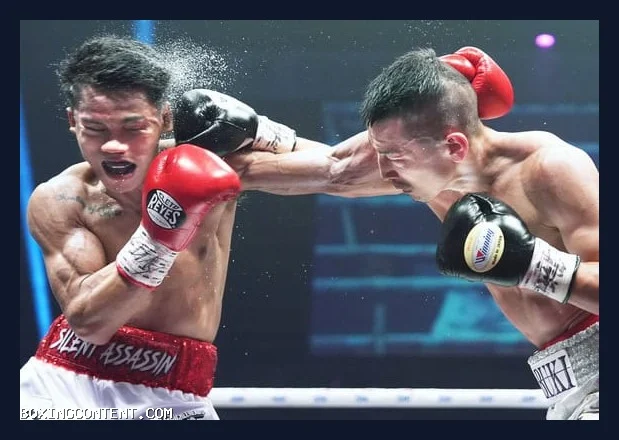
Their initial meeting in Los Angeles concluded in a controversial split draw, setting the stage for a seismic return fixture in Las Vegas in February 2020. Entering the rematch, both combatants carried undefeated professional records, elite reputations, and an authentic animosity that captured the attention of mainstream sports enthusiasts around the globe. Rather than relying on the elusive, defensive maneuvering that had characterized his victory over Klitschko, Fury adopted an aggressive, front-foot strategy that shocked both his opponent and the boxing public. Dominating the action from the opening bell, he floored Wilder multiple times before the contest was decisively halted in the seventh round, returning the heavyweight championship to Fury’s grasp in comprehensive fashion.
Reflecting on that second encounter with Wilder, Fury made it clear that nothing in his storied past can match the pure sporting gravity of that evening. In his assessment, the bout represented the gold standard of what championship boxing ought to be: two undefeated titleholders squaring off in their prime, in the fight capital of the world, with zero doubt left as to who was the superior operator.
"It doesn’t really come much bigger than Wilder II," Fury stated during his conversation with Ring Magazine. "Las Vegas, two undefeated champions of the world, both in their prime, that was the be-all, and end-all. That was the pinnacle of heavyweight boxing right there."
The significance Fury attaches to the second Wilder meeting is rooted heavily in the athletic legitimacy of the contest. While the Klitschko victory was a shocking tactical upset that ended an era, the rematch with Wilder was a showcase of pure, calculated dominance against an undefeated, prime world champion on the grandest stage available. It served as absolute validation for his grueling three-year journey back from the sporting wilderness, erasing any lingering skepticism about his conditioning, desire, or place among the contemporary elite.
Yet, despite his unwavering reverence for the Wilder rematch as his finest hour inside the ropes, Fury is acutely aware that the boxing world rarely permits a champion to rest on past laurels. In just two weeks, he will step back through the ropes to contest an all-British showdown that has lingered on the horizon of domestic sports culture for the better part of a decade. Fury is scheduled to meet his longtime rival Anthony Joshua in a matchup that has endured countless negotiations, promotional impasses, and differing career trajectories before finally being brought to fruition.
Fury was quick to distinguish between the purist appeal of his triumph over Wilder and the broader cultural phenomenon represented by his impending battle with Joshua. While the former stood as the sporting zenith of two prime champions colliding in Las Vegas, the latter represents an unprecedented financial and cultural juggernaut, particularly for their shared homeland. The rivalry between Fury and Joshua has animated the British sporting public for years, and the champion acknowledged that the sheer scale of the event outstrips anything he has previously been involved with from an entertainment perspective.
"The Joshua fight is big for different reasons," Fury explained. "This is a bigger commercial fight. Bigger as in for the British fans. Bigger as in TV and that side of things. This is colossal."
The commercial weight of the Joshua confrontation is undeniably massive. Unlike his meetings with international opponents, the clash with Joshua is personal to the United Kingdom’s sporting identity, dividing households, gyms, and pubs across the country. It pits two men who have served as the focal points of British boxing’s modern golden age against one another, settling debates that have dominated headlines and broadcast panels for years.
Fury also expressed a profound sense of satisfaction that the long-anticipated encounter is finally taking place, even as both men navigate the later stages of their professional runs. In his eyes, the fight carried an inevitability that transcended arbitrary timing, remaining viable purely on the strength of their respective names and mutual history.
"It’s unbelievable," Fury remarked when discussing the enduring demand for the matchup. "This event’s always been there. Even if we were 60, we could have done this fight anytime. But it’s an unbelievable icing on the cake for me to have it at the back end of my career."
The highly anticipated clash between Fury and Joshua is scheduled to take place on Friday, December 11, under the lights in Cardiff. The event marks a groundbreaking broadcast venture, with the entire 12-fight card set to be streamed live to a global audience on Netflix, signifying a major shift in how premier heavyweight championship events are delivered to consumers.
As fight night in Cardiff approaches, Fury finds himself in the unique position of chasing another defining victory while already content with the heights he has reached. Whether the commercial spectacle of facing Joshua can produce a performance to rival the tactical perfection of Klitschko or the unbridled dominance of Wilder II remains to be seen. However, as he prepares to write what could be the final chapter of his remarkable career, Fury remains steadfast in his conviction that when the history of modern heavyweight boxing is written, his second duel in Las Vegas will stand as the peak of the mountain.