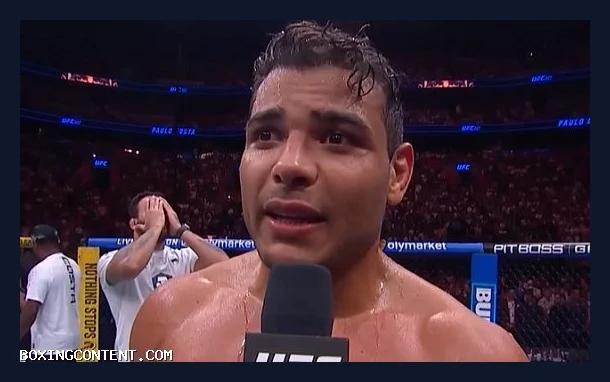
In the ever-unpredictable world of mixed martial arts, few divisions command as much raw power and sudden disruption as the Ultimate Fighting Championship’s light heavyweight division. Recently, the landscape at 205 pounds has been thrown into a state of stagnation, drawing the sharp ire of colorful middleweight-and-light-heavyweight contender Paulo Costa. The outspoken Brazilian has launched a scathing critique against New Zealand’s premier gym, City Kickboxing, accusing its fighters and coaching staff of single-handedly holding up the division and stifling competitive momentum at the elite level.
The friction stems from a unique internal policy enforced by City Kickboxing (CKB), spearheaded by head coach Eugene Bareman. The gym’s leadership has officially drawn a hard line regarding intra-team matchups, declaring definitively that its fighters will never compete against one another inside the Octagon, regardless of championship stakes or divisional rankings. This strict code of conduct has placed a major logjam at the top of the light heavyweight weight class, capturing the attention—and frustration—of contenders across the organization, most notably Costa.
The championship picture at 205 pounds has experienced rapid evolution over the course of the year. Carlos Ulberg staked his claim to divisional supremacy with an impressive campaign, culminating in April when he secured a definitive knockout victory to capture the vacant Ultimate Fighting Championship light heavyweight title, pushing his professional mixed martial arts record to an imposing 14 wins against just a single defeat. However, triumph often comes with a physical toll; Ulberg sustained a significant injury during the championship bout, sidelining him for the remainder of the calendar year and pushing his anticipated return to the Octagon well into the following year.
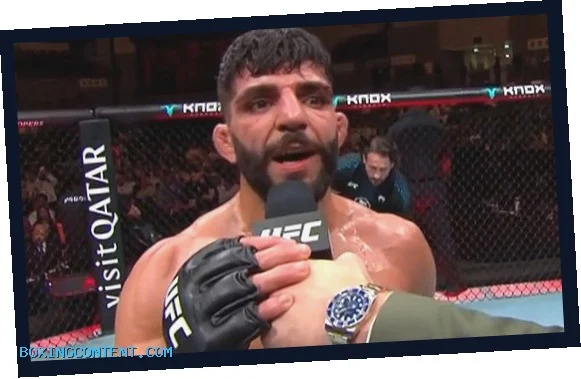
While the reigning titleholder recovers on the sidelines, the division has continued to move forward through the efforts of his stablemates. Most recently, surging contender Navajo Stirling made a massive statement at UFC Qatar on November 21. Stirling delivered a devastating knockout victory, adding another high-profile finish to his flawless professional resume and improving his undefeated record to 12 wins and zero losses. With Stirling surging up the rankings and Ulberg holding the divisional crown, the prospect of an elite clash between the two powerhouse Kiwi fighters appeared natural to many observers and pundits tracking the trajectory of the 205-pound weight class.
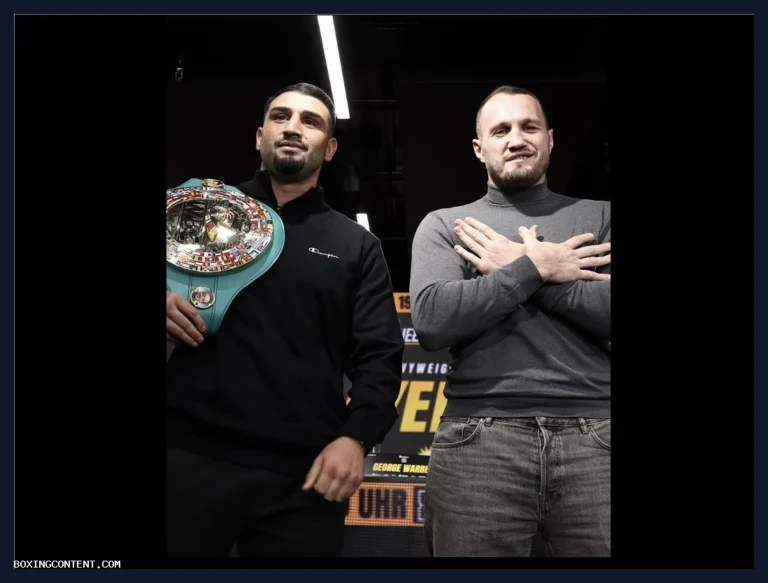
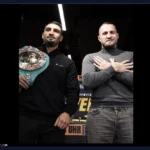
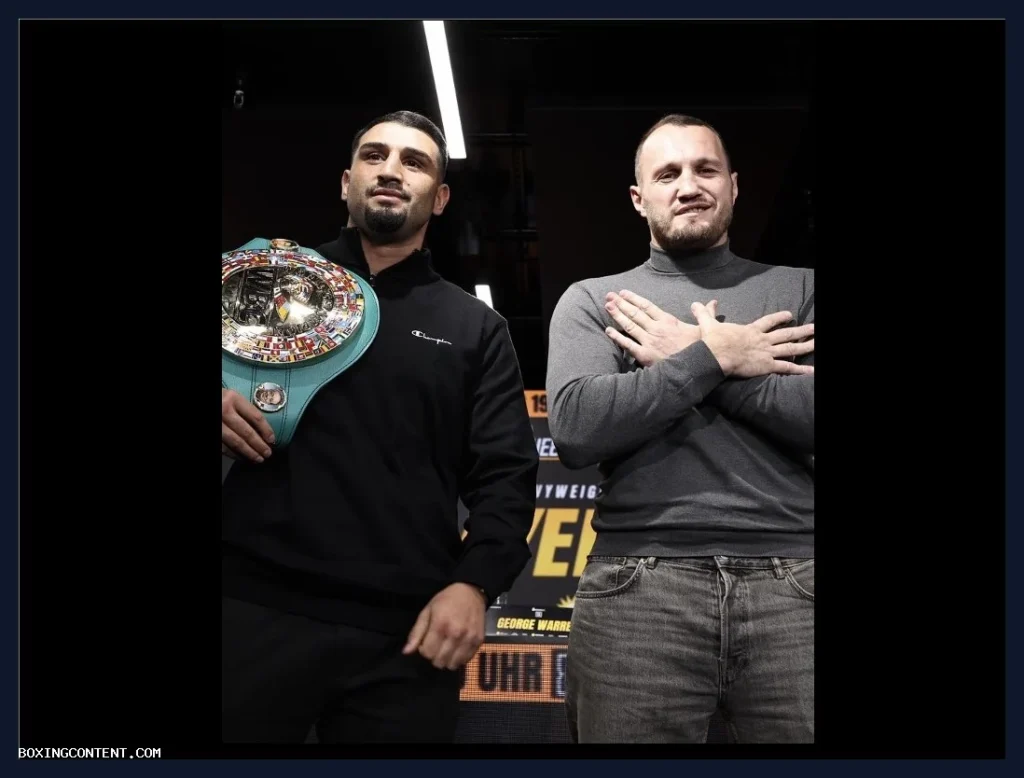
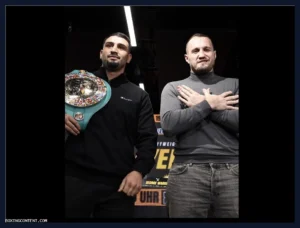
However, any hope of an internal showdown was swiftly extinguished by CKB head coach Eugene Bareman. Addressing the media during a press conference designed to clarify the gym’s stance, Bareman doubled down on the team’s policy, explicitly stating that Ulberg and Stirling will never fight each other under any circumstances. Adding a striking visual element to the announcement, both Ulberg and Stirling stood steadfastly on either side of their coach during the press conference, presenting a united front that reflected the gym’s unwavering loyalty and adherence to its internal code.
Paulo Costa mocks Carlos Ulberg, Navajo Stirling and coach Eugene Bareman
This public declaration of team solidarity did not sit well with Paulo Costa. The Brazilian star has been actively campaigning for a high-profile, money-drawing bout in the light heavyweight division ever since his impressive victory in April, where he finished the previously undefeated Azamat Murzakanov. Eager to cement his status among the elite and secure championship opportunities, Costa viewed the CKB situation as a major roadblock to the competitive health and excitement of the weight class.
Never one to shy away from expressing his unfiltered opinions, Costa immediately took to social media to broadcast his displeasure, launching a biting critique that targeted the fighters and their coach with characteristic sarcasm.
“Two bearded men acting like kids hiding behind their angry daddy,” Costa wrote on the social media platform X, formerly known as Twitter. “It doesn’t get more anticlimactic than that, actually LHW is dying.”
The biting commentary highlighted a growing concern among fighters and fans regarding how gym loyalties can sometimes intersect with and restrict the natural matchmaking progression of major mixed martial arts organizations. When elite training partners refuse to face one another, it can create protective bubbles at the top of divisions, potentially locking out contenders who are eager to test themselves against the absolute best available competition. For Costa, who has positioned himself as a disruptive force willing to face anyone in his path, the rigid stance taken by Bareman and his fighters represents a departure from the traditional ethos of prizefighting, where the best are expected to fight the best in order to resolve who truly rules the division.
As the Ultimate Fighting Championship matchmakers look ahead to the coming year, they will have to navigate the complex dynamics of a light heavyweight division where the champion is recovering from injury, a top contender is riding a massive wave of momentum, and an influential gym has drawn a permanent boundary through the heart of the weight class. Whether the organization can find alternative pathways to challenge its top athletes without violating team loyalties remains to be seen, but the friction has already ensured that the division will remain a focal point of debate in the months leading up to Ulberg’s expected return.