

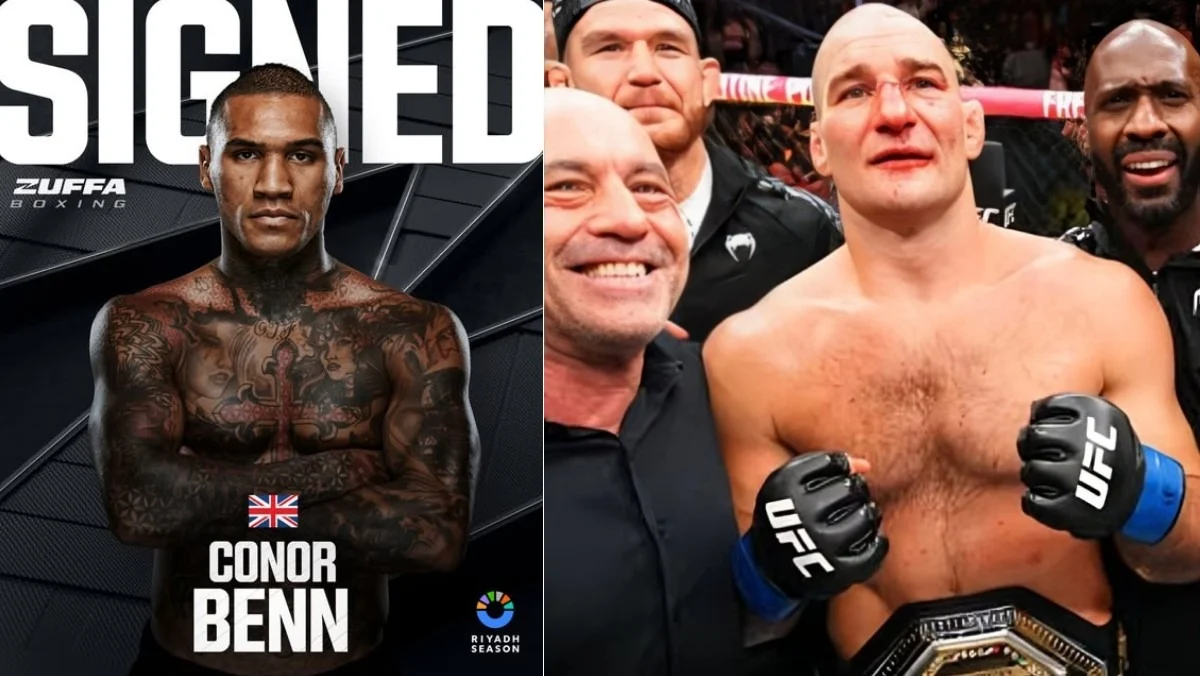
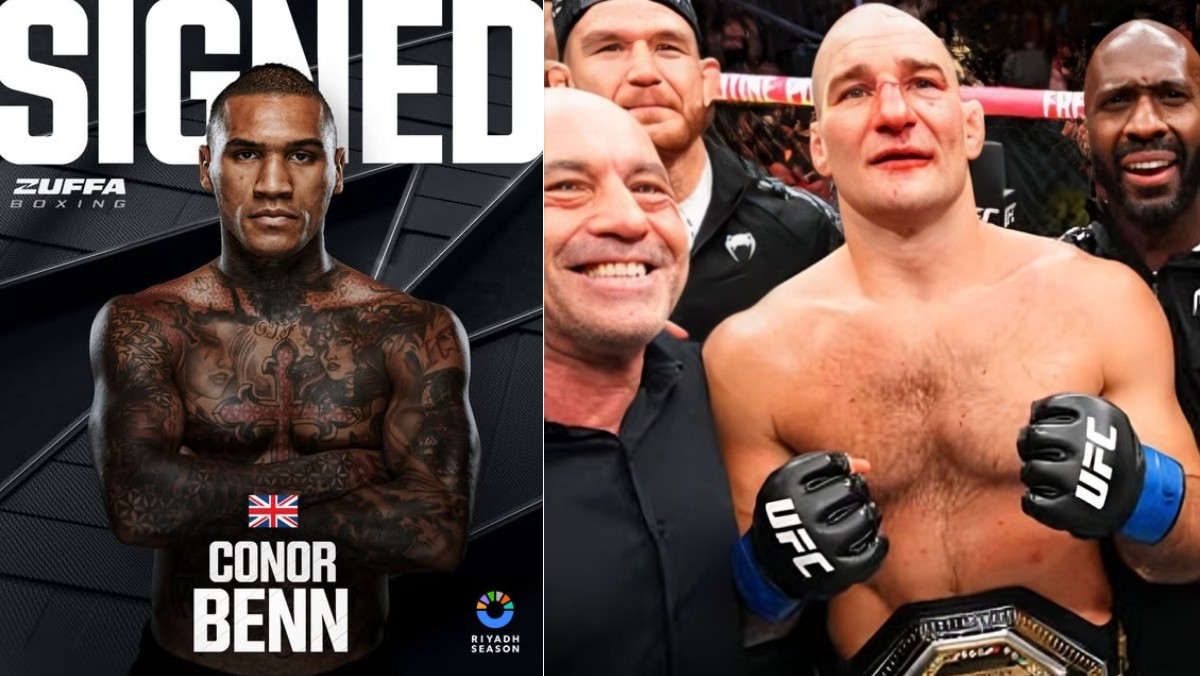
Conor Benn’s reported $15 million Zuffa Boxing deal has been thrust back into the spotlight following a fresh wave of controversy surrounding fighter compensation. The latest fuel for the fire comes from former UFC champion Sean Strickland, who has openly threatened to walk away from the promotion over ongoing frustrations regarding his own pay.
Fans and observers were quick to draw immediate parallels, raising urgent questions about why UFC CEO Dana White is seemingly able to orchestrate massive, life-changing paydays for athletes in the boxing ring while rostered mixed martial artists continue to fight tooth and nail over standard compensation packages.
This friction is hardly a surprise to industry insiders. It mirrors a scenario that had been predicted months before Benn ever officially put pen to paper with White’s newly expanded promotional banner. Now, Strickland’s public grievances have brought those underlying structural concerns directly back to the forefront of combat sports discourse.
Strickland Threatens to Quit Over Pay Discrepancies
Strickland made his frustrations crystal clear on social media after growing deeply disillusioned with the financial terms being floated for his next Octagon appearance. The unfiltered middleweight star did not mince words when addressing his followers about the economic realities of fighting for the world’s premier mixed martial arts organization.
"I gotta be honest unless things change with the UFC I’m kinda over it," Strickland wrote in a candid post that quickly went viral across combat sports communities.
Highlighting the massive economic disparity within the sport, Strickland pointed to high-profile boxing paydays and historical crossover events. "McGregor makes 30 million to fight for 30 seconds and they don’t want to pay us a fraction of it," he continued, expressing a desire to explore alternative career paths once his current obligations are fulfilled. "Contemplating just going to 205 knocking out my contract and scrapping with @jakepaul. That sounds fun."
While Strickland did not explicitly reference Conor Benn by name in his initial remarks, it took almost no time for sharp-eyed fans and analysts to bridge the gap between his complaints and the staggering figures being handed out in Zuffa Boxing.
One observer brought up Benn’s reported $10 million to $15 million agreement while highlighting the stark contrast that Strickland was seemingly being asked to fight for less than $1 million for a high-level bout. Even if exact figures for individual contracts remain heavily guarded industry secrets, the core point resonated deeply with a disenfranchised fanbase. Audiences are increasingly watching marquee names secure multi-million dollar boxing purses under the Zuffa umbrella, while the fighters who built the UFC’s foundational mixed martial arts brand continue to publicly question their own financial standing.
The Warning Signs of a Growing Pay Divide
Long before Strickland voiced his grievances, industry analysts warned of an inevitable internal revolt. In March 2025, reports highlighted predictions from boxing promoter Oscar De La Hoya that UFC fighters would eventually push back once Dana White began distributing gargantuan boxing purses that dwarfed standard MMA salaries.
That tension was further underscored months later when UFC athletes Chris Padilla and Uros Medic openly pleaded for standard $50,000 performance bonuses following impressive knockout victories at a Fight Night event. Despite delivering highlight-reel finishes, neither fighter received the bonus. The situation carried a stark human element when Padilla revealed that his mother was living in a trailer, illustrating the precarious financial tightrope walked by athletes competing at the highest level of the sport.
Similar economic pressures have been highlighted by other elite contenders, such as lightweight standout Arman Tsarukyan. He detailed how the high costs associated with training camps, managerial percentages, and heavy taxation can leave a professional athlete with virtually nothing after months of grueling physical preparation.
"You prepare for two or three months and end up at zero," Tsarukyan remarked, noting that external sponsorships are often the only thing keeping competitors afloat.
Just three months after those warnings echoed through the MMA community, Benn made a high-profile move, parting ways with Eddie Hearn and Matchroom Boxing to sign a Zuffa agreement reportedly worth $15 million for a single fight. Benn subsequently upgraded that initial arrangement into a multi-fight contract, although the exact financial terms of the expanded deal were kept private. While Saudi Arabian backing through entities like Sela played a foundational role in financing Benn’s blockbuster introduction to the promotion, the injection of such unprecedented capital into boxing has done nothing to quell the growing resentment simmering within the UFC locker room.
The UFC’s Billion-Dollar Question
The debate over compensation takes on an even sharper edge when examining the UFC’s current financial health. The promotion entered 2026 riding high on a monumental seven-year broadcasting agreement with Paramount valued at a staggering $7.7 billion, averaging approximately $1.1 billion annually.
In response to rising scrutiny, White has made adjustments, such as doubling traditional post-fight performance bonuses from $50,000 to $100,000. However, critics and fighters argue that these occasional, performance-dependent bonuses do not address the core issue: the lack of substantial, guaranteed base purses for athletes who put their health on the line. Fighters should not be forced to rely on bonus lotteries or post-fight lobbying after spending thousands of dollars out of pocket to prepare for a grueling test of athletic skill.
While historical financial analyses have frequently placed UFC fighter compensation below 20 percent of total corporate revenue—though an exact, universally verified current figure remains fiercely debated—the sheer volume of incoming television and sponsorship money ensures that the question of equitable revenue sharing will not quietly disappear.
Conor Benn Faces Scrutiny Amid the Fallout
Addressing the financial mechanics of Benn’s lucrative arrangement, TKO President Mark Shapiro previously clarified that the British star’s heavily publicized initial purse was funded by external Saudi-backed partners rather than being pulled directly from TKO’s corporate coffers. From a business perspective, Benn’s camp cannot be faulted for accepting a generational payday, and no sensible observer expects an athlete to turn down life-changing money.
The core issue, however, lies in the optical and structural contradiction. The same executive leadership overseeing disgruntled UFC athletes who are threatening to walk over pay is simultaneously building a parallel boxing enterprise capable of offering guaranteed purses that standard MMA fighters can only imagine.
Benn had never captured a major world title when he reportedly secured $15 million for a single appearance under the Zuffa banner. Meanwhile, established UFC champions and elite contenders like Strickland have reached the very pinnacle of mixed martial arts, only to openly contemplate walking away because the financial rewards do not match the physical toll.
As long as boxers collect staggering sums under the Zuffa banner while UFC fighters continue to publicly express feelings of underappreciation and underpayment, the ghost of Conor Benn’s record-setting deal will continue to haunt promotional headquarters. White may continue to raise performance bonuses or alter incentive structures, but until the fundamental debate surrounding guaranteed fighter pay is addressed, the growing divide between boxing’s windfalls and MMA’s compensation model will remain a central crisis for combat sports leadership.