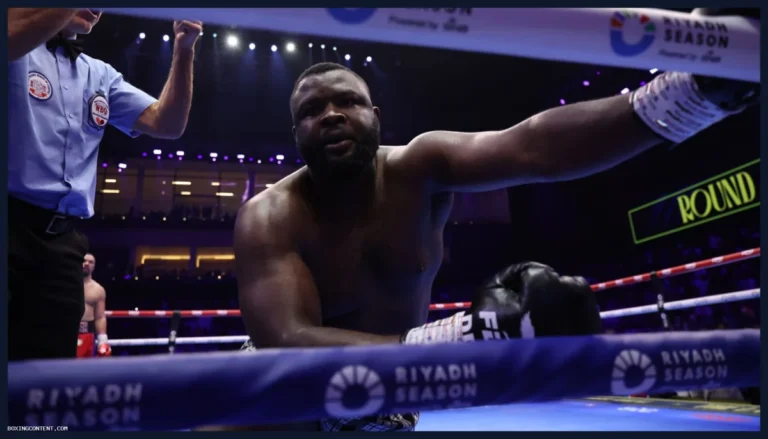



Mixed Martial Arts has evolved far beyond the raw, stylistic clashes of its early days into one of the most physically demanding and analytically refined sports in modern athletics. Today’s competitors are no longer just martial artists skilled in striking or Brazilian Jiu-Jitsu; they are premier athletes who must possess a rare and demanding blend of power, cardiovascular endurance, agility, and technical mastery. To succeed inside the cage or the ring, fighters require exceptional strength and conditioning programs tailored to dominate opponents across diverse phases of combat, whether executing a complex grappling sequence, landing a devastating knockout blow, or maintaining relentless ground control.
The physical blueprint of an elite MMA fighter is forged through rigorous preparation that addresses every energy system and muscle group in the human body. Because a championship bout can stretch up to 25 minutes of continuous, high-stakes combat, athletes face a unique physiological challenge. They must transition instantly from aerobic pacing to explosive, anaerobic output—such as escaping a deep submission attempt or executing a heavy takedown—and then recover sufficiently to answer the bell for the next round. A well-designed strength and conditioning regimen bridges the gap between raw athletic potential and championship performance.
Why Strength and Conditioning is Critical for MMA Fighters
The fundamental objective of a specialized conditioning program is to bulletproof the athlete against the multifaceted demands of combat sports. Unlike single-discipline athletes, mixed martial artists cannot afford to prioritize strength at the expense of mobility, nor can they focus entirely on endurance while sacrificing the explosive power needed to finish a fight abruptly.
At the core of this preparation is the development of functional power. Power generation in MMA relies heavily on the recruitment of fast-twitch muscle fibers, which allow fighters to strike with devastating force, execute explosive takedowns, and maneuver opponents with authoritative grappling control. Without targeted strength training, even the most technically proficient fighters risk being overpowered by more physically robust adversaries.
Simultaneously, cardiovascular and muscular endurance remain paramount. The grueling nature of modern MMA means that fatigue is often the deciding factor in close bouts. Proper conditioning ensures that an athlete’s energy reserves remain stable deep into the later rounds, staving off the physical and mental lapses that lead to tactical errors. Furthermore, agility and balance serve as the invisible architecture of effective striking and defense, allowing fighters to change direction fluidly, absorb impacts, and maintain a sturdy base during chaotic exchanges.
Beyond performance enhancement, injury prevention stands as one of the most critical dividends of a structured conditioning regimen. The high-impact nature of sparring, wrestling, and striking places immense strain on joints, tendons, and ligaments. Strengthening the supporting musculature drastically reduces the likelihood of catastrophic tears or chronic overuse injuries, extending a fighter’s career longevity. Finally, enhanced physical resilience directly impacts the body’s recovery capacity, allowing athletes to bounce back faster between grueling training sessions and recover more efficiently from the cumulative damage sustained during competition.
Core Principles Governing MMA Training Regimens
Constructing a high-performance training program for mixed martial arts requires adherence to several foundational athletic principles. These concepts dictate how a fighter’s routine is structured, ensuring that every hour spent in the weight room or on the conditioning turf directly translates to success under the bright lights of the arena.
Specificity remains the guiding light of combat sports preparation. The exercises integrated into a fighter’s routine must mirror the biomechanical realities of the cage. For instance, explosive plyometric movements simulate the fast-twitch demands of striking exchanges, while heavy compound lifts develop the foundational power required for wrestling and clinching. Random or generalized fitness routines often fail because they do not account for the unique movement patterns inherent to fighting.
Periodization provides the overarching framework for a fighter’s annual training schedule, allowing athletes to peak precisely when fight night arrives. By strategically cycling the volume, load, and intensity of workouts based on their proximity to competition, fighters can avoid overtraining and burnout. During an off-season training block, the focus may shift toward building maximal strength and addressing structural imbalances. As fight day draws closer, the program pivots toward explosive, sport-specific conditioning and sharp technical execution.
Progressive overload ensures continuous physiological adaptation. To force muscles to grow stronger and lungs to become more efficient, athletes must systematically challenge their bodies over time by increasing resistance, volume, or training density. Without this continuous upward pressure, training platesures emerge, stalling athletic development.
Interwoven with these performance principles is the absolute necessity of recovery. The physical toll exacted by MMA training is profound, making rest days, optimal nutrition, and restorative sleep non-negotiable components of success. Without adequate recovery, the body cannot repair damaged muscle tissue or consolidate neurological gains. Finally, emphasizing functional movements over isolated exercises ensures that athletes recruit multiple muscle groups simultaneously, fostering intermuscular coordination that mimics the unpredictable, multi-planar environments of a real fight.
Translating Strength into Combat Efficiency
To meet these rigorous demands, elite training camps rely on a curated selection of compound strength movements that target the entire kinetic chain.
Deadlifts serve as an indispensable cornerstone for developing posterior chain strength. By engaging the glutes, hamstrings, lower back, and core simultaneously, deadlifts directly translate to superior grappling prowess, enabling fighters to anchor their base, lift opponents off the canvas, and generate immense leverage during takedowns.
Squats, encompassing both front and back variations, build foundational lower-body power. This strength is vital for everything from snapping off high-velocity roundhouse kicks to stuffing an opponent’s desperate single-leg takedown attempt. The heavy engagement of the quadriceps, hamstrings, and glutes, combined with intense core stabilization, creates a resilient lower half capable of absorbing and delivering heavy force.
Upper-body pulling power is heavily cultivated through strict pull-ups. Developing strong latissimus dorsi and bicep strength is essential for controlling the clinch, fighting off submission holds, and manipulating opponents during grappling exchanges on the mat. Conversely, the classic bench press builds pressing endurance and upper-body pushing power through the chest, shoulders, and triceps, aiding in both the delivery of heavy punches and the establishment of framing defense when fighting off the bottom.
To address unilateral imbalances—which are common in a sport where fighters often favor a orthodox or southpaw stance—Bulgarian split squats are frequently utilized. This single-leg movement enhances balance, unilateral stability, and isolated leg strength, directly supporting the mechanics required for powerful knee strikes and explosive lateral footwork. Additionally, explosive hip power is developed through kettlebell swings, an exercise that bridges the gap between strength and cardiovascular conditioning while mimicking the hip snap required for effective striking and grappling transitions.
Conditioning the Engine for Championship Rounds
While raw strength provides the tools to impose one’s will, conditioning ensures those tools remain sharp from the opening bell to the final decision. Combat endurance requires a specialized approach that goes beyond traditional steady-state cardio.
High-Intensity Interval Training forms the backbone of modern MMA conditioning. By alternating between brief bursts of maximal effort and controlled periods of recovery, HIIT accurately replicates the chaotic rhythm of a fight—characterized by explosive flurries followed by brief moments of tactical readjustment.
Battle ropes offer an exceptional upper-body conditioning stimulus, building shoulder endurance and cardiovascular capacity while closely mirroring the rapid, repeated muscle contractions associated with high-output striking combinations. Circuit training further enhances muscular endurance by chaining multiple exercises together with minimal rest, pushing the body’s energy systems to adapt under duress.
Foundational agility and footwork are continuously refined through the humble jump rope. Long a staple of combat sports gyms, jump rope training improves cardiovascular fitness, rhythm, and spatial coordination, allowing fighters to dance in and out of striking range with fluid efficiency. Finally, heavy sled pushes simulate the brutal, sustained leg drive required during wrestling stalemates and fence clinches, building full-body power-endurance that can break an opponent’s resolve in the later stages of a grueling contest.
As practitioners and conditioning coaches continue to refine these methodologies, the boundary between technical martial arts mastery and peak physical conditioning becomes increasingly narrow. While these training frameworks offer a blueprint for athletic dominance, professionals emphasize that optimal results require individualized program design tailored to an athlete’s unique physiological profile, fighting style, and competitive experience.