Why do so many sports sponsorship deals ultimately stall, and what does it actually take to make them work in a crowded and increasingly skeptical marketplace? As global sports marketing investments continue to scale to unprecedented heights, a recurring challenge haunts boardrooms and marketing departments across the industry. When the time for renewal finally rolls around, remarkably few brands find themselves able to clearly and definitively demonstrate what their multimillion-dollar partnership actually delivered to their bottom line or their brand equity.
This persistent dilemma has created a tense environment where chief marketing officers and rights holders often speak different languages. Brands demand hard metrics, accountability, and demonstrable return on investment, while sports properties often point to broad visibility, broadcast exposure, and digital impressions. Yet, despite mountains of data, dashboards, and analytics reports, deals still stall, and renewals fall through.
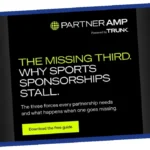
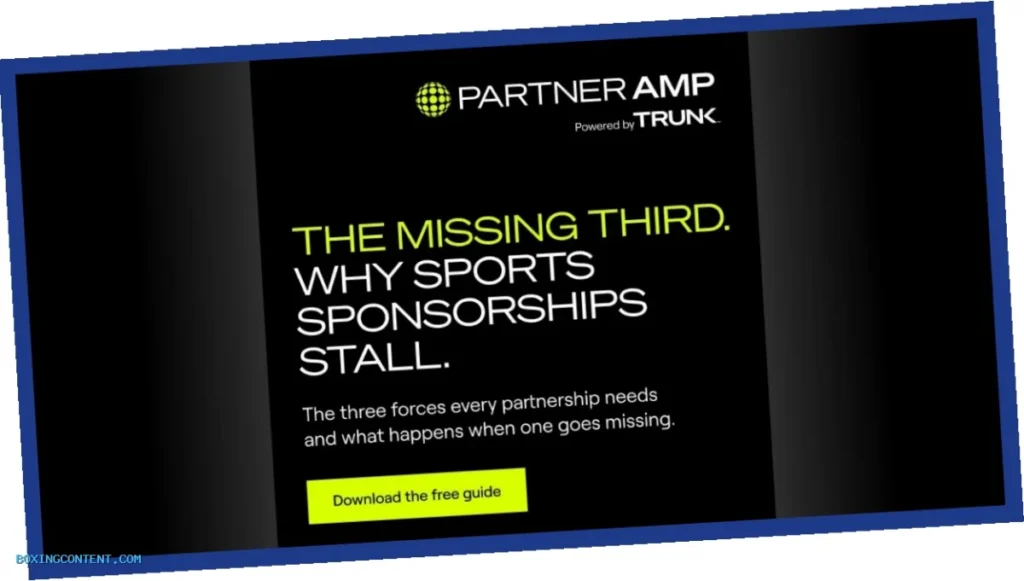
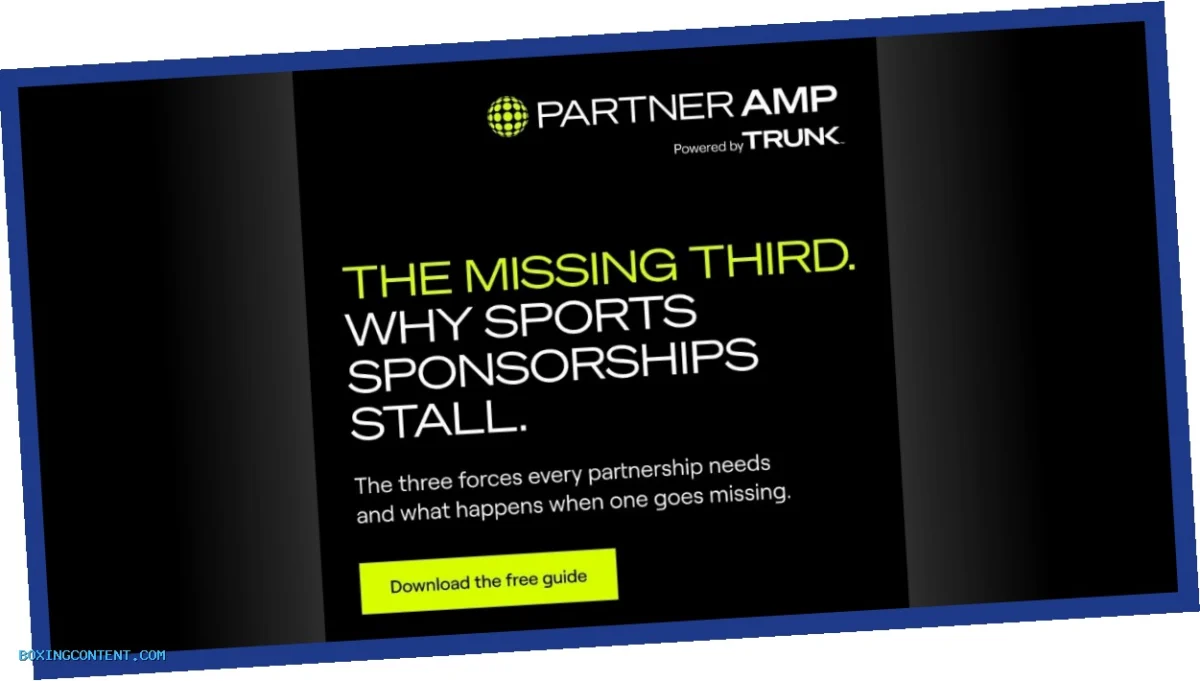
A newly released industry initiative is tackling this challenge head-on. "The Missing Third," a comprehensive new resource developed by Trunk’s PartnerAmp division, suggests that the definitive answer to the industry’s woes is not simply gathering more data or tracking more digital footprints. Instead, the analysis argues that the strongest, most enduring partnerships are built on a deeper, more qualitative and strategic connection. Specifically, success lies at the intersection of what a brand stands for, what a sports property means to its community, and what fans genuinely care about.
To help industry professionals dissect and solve these underlying disconnects, Trunk has introduced the Triquetra model. This conceptual framework breaks down the mechanics of sports sponsorships into three fundamental forces: Fan Value, Alignment, and Brand Purpose. By examining how these three pillars interact, the model aims to diagnose what goes wrong in modern partnerships and, crucially, what happens when just one of them goes missing from the equation.
The release of "The Missing Third" arrives at a critical juncture for the sports business ecosystem. For decades, the standard currency of sports sponsorship was simple logo placement, stadium signage, and broadcast airtime visibility. In the digital age, this expanded rapidly into social media impressions, click-through rates, and video views. However, industry observers have noted a growing fatigue with purely quantitative metrics. Brands are discovering that high visibility does not automatically translate to positive consumer sentiment, brand loyalty, or actual purchasing behavior.
When a partnership lacks a cohesive narrative or fails to resonate with the core audience, it quickly becomes transactional and hollow. Fans, who are increasingly sophisticated and cynical about corporate intrusion into their passions, can easily spot inauthentic associations. When supporters feel a brand does not genuinely understand or respect the property it is sponsoring, the relationship fails to move the needle. Conversely, when sports properties fail to align their commercial goals with the authentic identities of their corporate partners, the collaboration becomes disjointed, leading to missed opportunities and eventual churn when contracts expire.
Trunk’s PartnerAmp initiative seeks to bridge this gap by shifting the focus away from endless data accumulation and toward strategic coherence. The Triquetra model is designed to serve as a diagnostic lens for both brands and rights holders, allowing them to evaluate existing agreements and shape future negotiations with greater clarity.
At the heart of the model is the concept of Fan Value. In an era where sports consumption habits are shifting dramatically, particularly among younger demographics who engage with sports through short-form video, gaming, and social media, understanding what fans truly value has never been more complex. Fan Value within the Triquetra framework looks beyond passive viewership to measure how a sponsorship actively enhances, rather than interrupts, the fan experience. If a brand partnership does not add value to the supporter’s journey—whether through exclusive content, enhanced access, or community initiatives—it risks being tuned out as digital noise.
The second pillar, Alignment, addresses the strategic fit between the brand and the sports property. Historically, sponsorships were often driven by personal relationships between executives or simple demographic overlaps, such as matching a mass-market beverage with a massive stadium audience. The Triquetra model posits that true alignment goes much deeper. It requires a shared ethos, complementary audience psychographics, and a natural narrative bridge that connects the commercial entity with the athletic institution. Without this foundational alignment, marketing campaigns feel forced, requiring excessive ad spend to convince consumers of a connection that does not organically exist.
The third force, Brand Purpose, has become a central theme in modern corporate strategy. Consumers, employees, and stakeholders increasingly expect brands to stand for something larger than just their commercial products. Within the context of sports sponsorship, Brand Purpose examines how a partnership allows a company to authentically express and advance its core values. Whether a brand is championing sustainability, diversity and inclusion, community grassroots development, or mental health awareness, the sports property acts as a powerful vehicle to amplify that mission. When Brand Purpose is missing from a sponsorship, the partnership often lacks emotional resonance, reducing it to a sterile exchange of logos and corporate hospitality.
By breaking down partnerships into these three core dimensions, "The Missing Third" highlights the dangerous vulnerabilities that emerge when any single element is neglected. For instance, a deal that boasts strong brand purpose and high fan value may still collapse if the strategic alignment between the corporate entity and the sports property is weak, resulting in consumer confusion. Similarly, a partnership with flawless alignment and deep brand purpose can still fail if it completely misses the mark on delivering tangible value to the fans, who ultimately hold the power of attention and advocacy.
As commercial teams look toward upcoming renewal cycles and budget allocations for the coming years, the demand for actionable insights into sponsorship efficacy is at an all-time high. The guidance provided by Trunk’s PartnerAmp initiative offers a timely framework for marketing professionals seeking to move past the traditional pitfalls of the industry. By focusing on the interplay between Fan Value, Alignment, and Brand Purpose, brands and rights holders have a roadmap to build more resilient, meaningful, and mutually beneficial partnerships that can withstand the scrutiny of renewal season and deliver lasting value across the board.