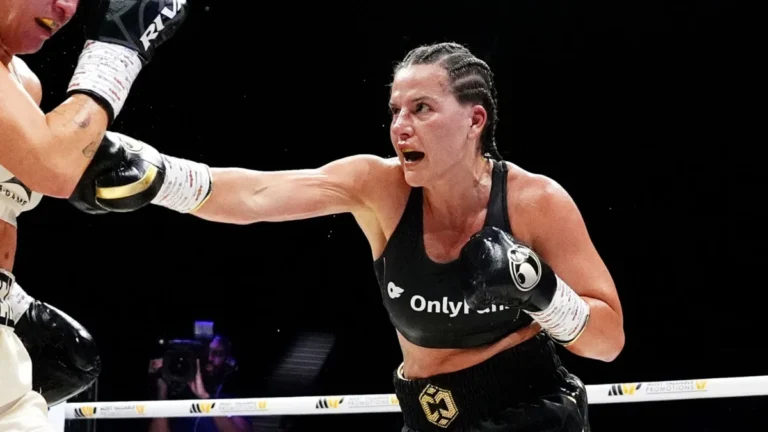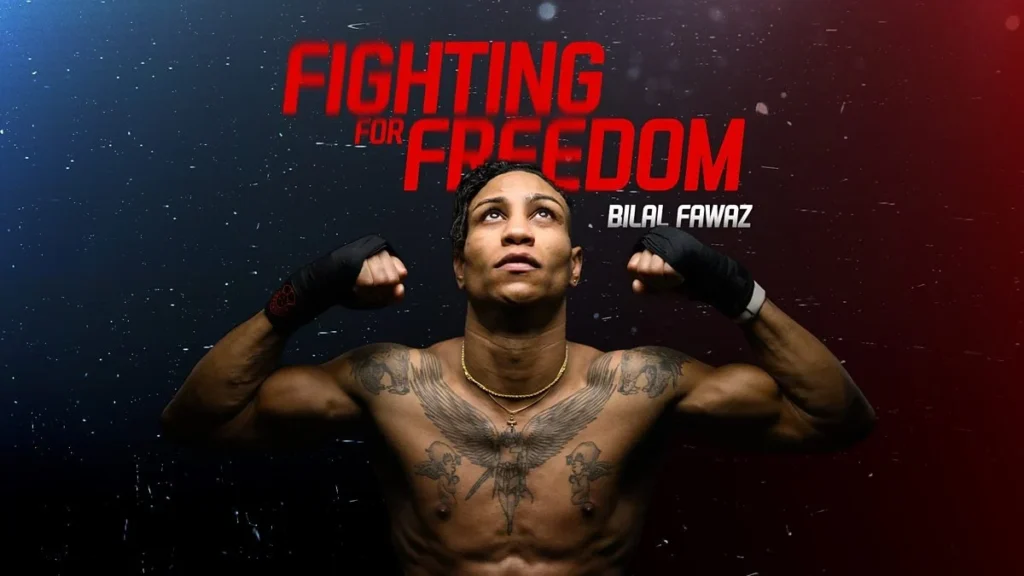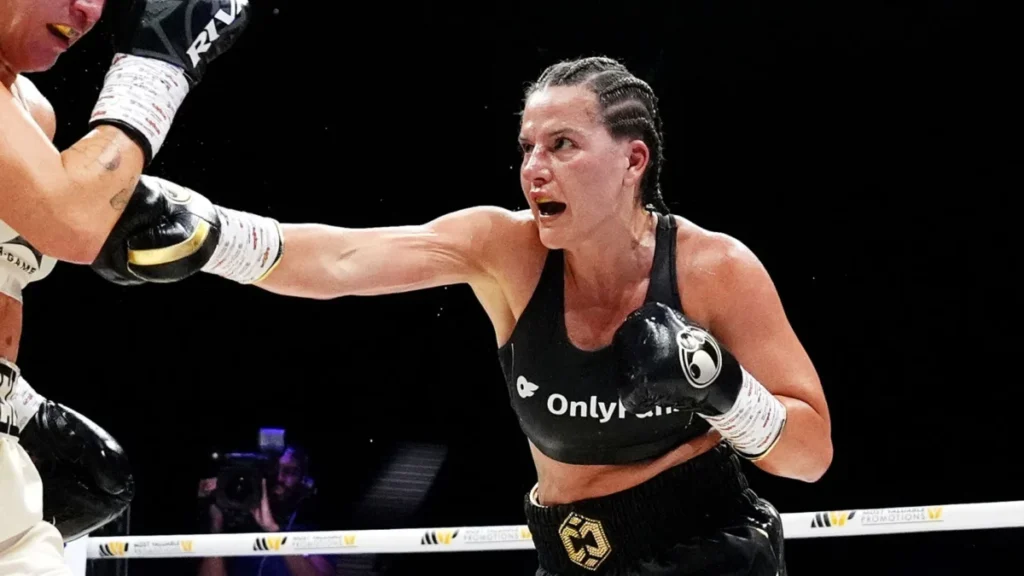


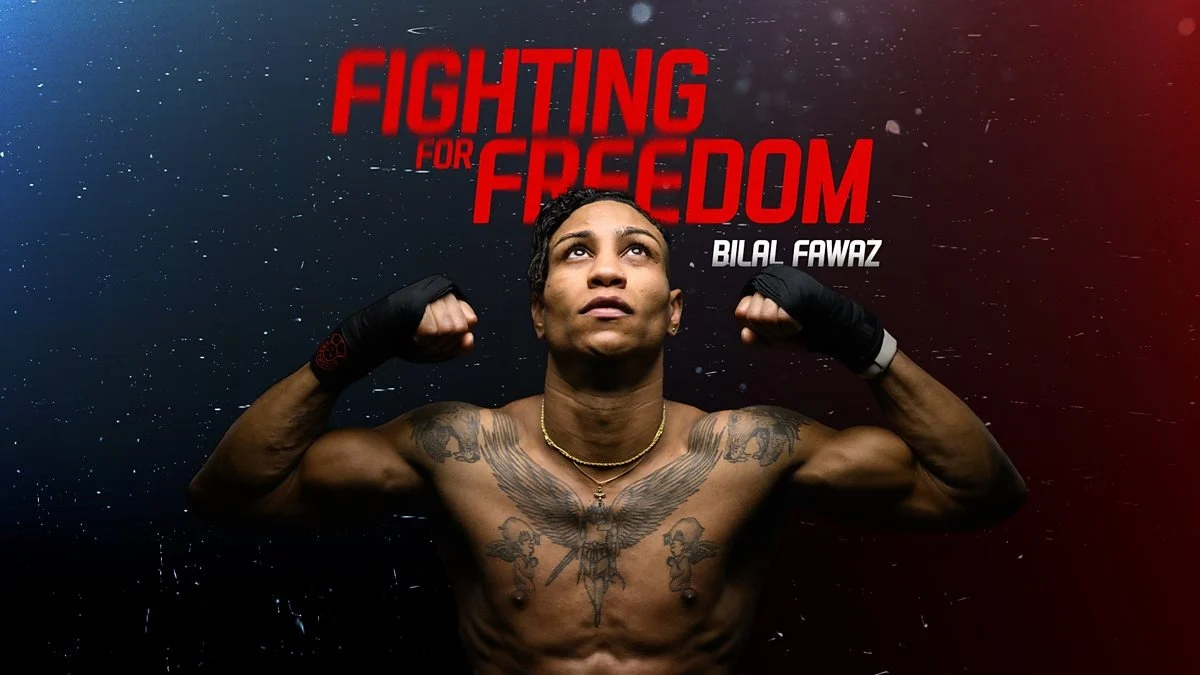
For more than twenty years, the United Kingdom has been home to a decorated British champion boxer who has achieved elite success inside the ring while fighting an exhausting, protracted battle outside it. Despite spending over two decades residing in the country, building a life, training in local gyms, and rising through the ranks to claim national boxing honors, the athlete remains without a British passport. This extraordinary and troubling situation highlights a profound disconnect between athletic achievement and administrative recognition, shedding light on the intricate, often uncompromising barriers embedded within the British immigration system.
The story, which has recently drawn widespread public attention through dedicated broadcast coverage, lays bare the complex realities faced by individuals who contribute significantly to the cultural and sporting fabric of the nation yet remain caught in legal limbo. While sports fans across the country have celebrated the boxer’s victories and admired the physical grit demonstrated under the bright lights of the arena, the reality away from the cameras has been defined by uncertainty, administrative delays, and the persistent challenge of proving entitlement to official citizenship status.
Central to this narrative is the sheer length of time involved. Residing in a country for more than two decades typically represents more than half a lifetime of integration, community involvement, and personal development. For an athlete, twenty years encompasses an entire career span—from the early days of amateur training to the pinnacle of professional championship success. Yet, despite meeting the physical demands of one of the world’s most gruelling sports and representing the high standards of British boxing, the fundamental document that confers full national identity and international mobility—a British passport—remains out of reach.
The lack of a passport carries consequences that extend far beyond administrative inconvenience. In professional boxing, an athlete’s career trajectory is heavily dependent on global mobility. Title fights, international training camps, and promotional events frequently require travel across international borders. Without a valid passport, securing the necessary travel documentation, visas, and re-entry permits becomes a complex and uncertain endeavor. This operational barrier not only threatens to restrict competitive opportunities on the world stage but also places an unfair handicap on a career built on merit, discipline, and relentless dedication.
Beyond the professional hurdles lies a poignant human story marked by personal struggle and hardship. The documentary coverage explicitly highlights that the athlete’s journey involves experiences of physical harm, underscoring the deep emotional and physical scars that often underpin complex immigration narratives. The inclusion of advisories directing viewers to support services such as the BBC Action Line reflects the severe nature of the issues raised, pointing to a background where trauma and physical adversity have played a significant role in shaping the athlete’s life path.
For many individuals navigating the UK immigration framework, stories of physical harm and trauma are deeply intertwined with their legal status. Fleeing violence, surviving personal abuse, or enduring severe physical hardship can create immense complications when attempting to compile the rigorous documentation required by immigration authorities. Bureaucratic processes often demand precise historical paperwork, official records, and consistent paper trails—requirements that are extraordinarily difficult to satisfy for those whose pasts have been disrupted by trauma or displacement.
The UK naturalisation process requires applicants to satisfy numerous stringent criteria, including demonstrating continuous lawful residence, passing language and life-in-the-UK assessments, and satisfying broad official standards regarding character and background. Even for long-term residents who have lived in the country for decades, navigating these legal pathways can involve prohibitive financial costs, lengthy legal appeals, and overwhelming administrative burdens. When an individual’s early life involves physical harm or displacement, gathering the necessary evidence to satisfy every legal threshold can become an almost insurmountable obstacle without sustained legal intervention and public advocacy.
This situation creates a striking paradox within British sports culture. Elite athletes are frequently embraced as national figures when they achieve victory, with domestic crowds rallying behind their achievements under the national flag. Yet, when administrative systems fail to grant official status to these same individuals, a stark divide emerges between public celebration and legal recognition. The boxer’s predicament raises fundamental questions about how society values long-term contribution, loyalty, and residence versus the rigid application of statutory immigration criteria.
The psychological toll of living in persistent legal uncertainty for over twenty years cannot be overstated. Anxiety over legal status, the constant threat of administrative rejection, and the feeling of being trapped in a system that refuses to fully recognize one’s place in society can take a heavy toll on mental well-being. For a fighter whose profession demands absolute mental clarity, focus, and emotional resilience, carrying the weight of an unresolved immigration status introduces an extra layer of psychological pressure that few outside the sport can fully comprehend.
The availability of guidance and support resources, such as the BBC Action Line, underscores the necessity of providing compassionate care for individuals affected by themes of physical harm and trauma. Such services offer confidential advice, emotional support, and practical information for viewers who may recognize their own struggles in the athlete’s story. The inclusion of these resources highlights a growing recognition that personal stories of sporting resilience often touch upon broader societal issues of trauma, mental health, and the urgent need for accessible support networks.
The broader sports community has increasingly had to confront issues surrounding nationality, citizenship, and athlete welfare. In recent years, complex cases involving foreign-born athletes or individuals who arrived in the UK at a young age have sparked intense debate over the responsibilities of governing bodies and government agencies. While athletic institutions often rely on fighters to boost national sporting prestige, the responsibility for resolving citizenship issues ultimately lies within the domain of government immigration policy, leaving athletes caught between sporting organizations and state bureaucracy.
As the athlete’s story continues to unfold, it serves as a powerful reminder of the human lives behind legal statistics. Living in the United Kingdom for more than two decades, building a successful sporting career, and overcoming profound personal adversity are achievements that reflect remarkable strength of character. Yet, until the administrative hurdles are resolved and a British passport is granted, the champion remains in a state of institutional limbo—a fighter still seeking the ultimate sign of belonging in the place they call home.
The ongoing public engagement with this case highlights a broader ongoing dialogue surrounding fairness, administrative flexibility, and human dignity within national institutions. As supporters, boxing enthusiasts, and advocates follow the athlete’s journey, the hope remains that a resolution can be found that honors both the legal principles of the state and the extraordinary contributions of an individual who has given so much to the sport and the country over the past twenty years.