

In the competitive market for combat sports equipment, athletes and fitness enthusiasts are constantly weighing the balance between affordability and physical protection. However, a recent critical evaluation of UK-based equipment vendor Sidekick Boxing has delivered a severe warning to consumers, advising fighters to bypass the brand entirely due to significant deficiencies in product quality, structural support, and hand protection.
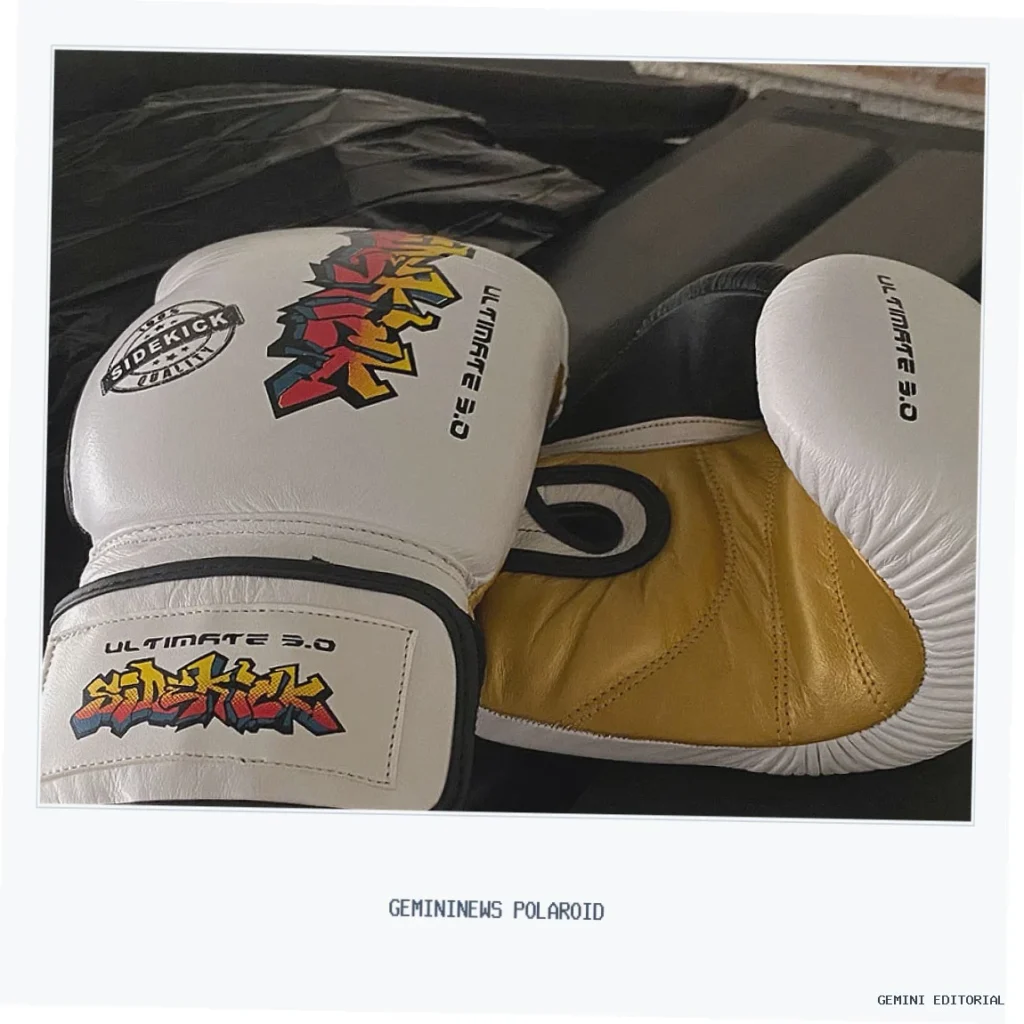
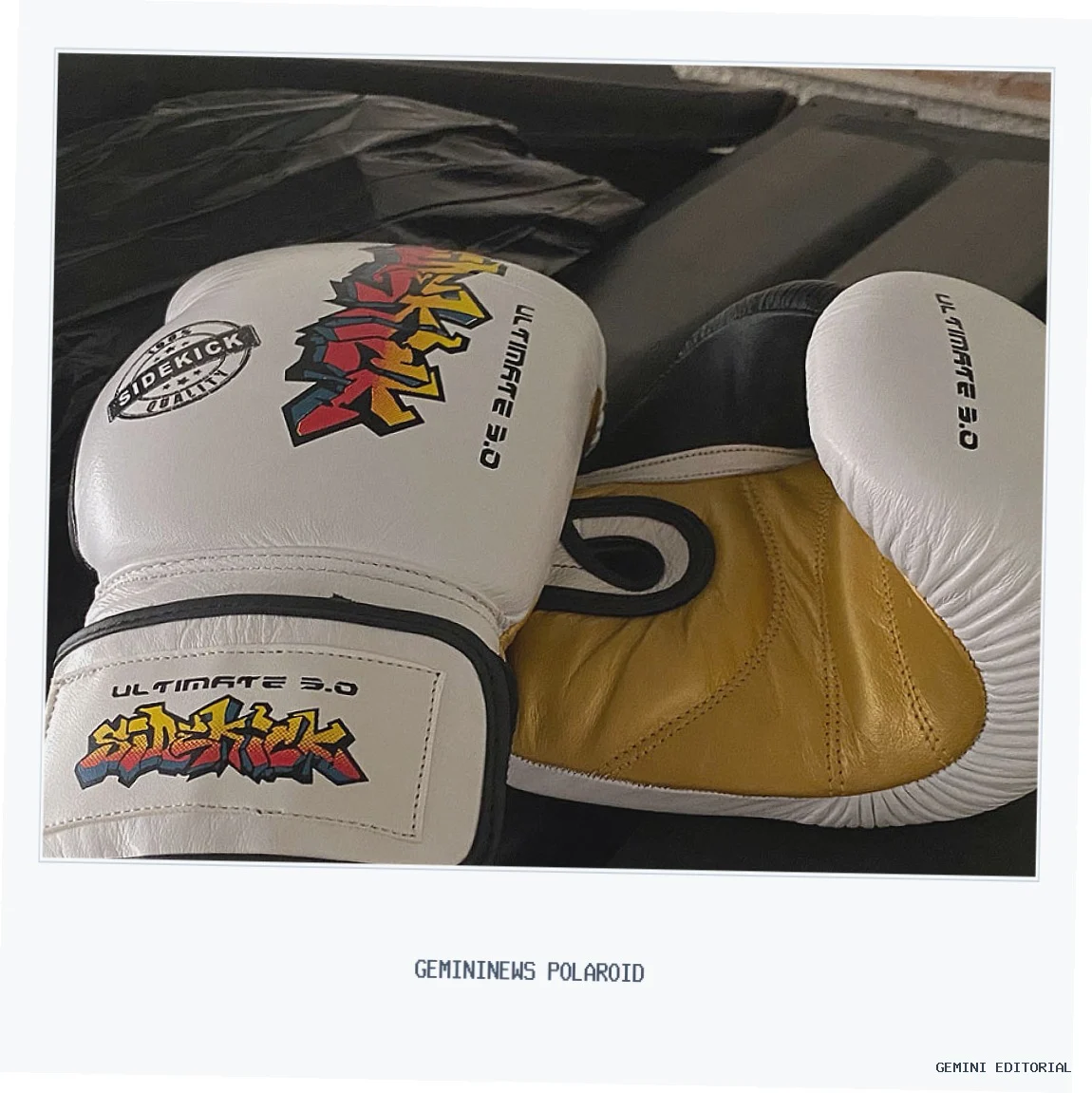
The evaluation presents a blunt assessment of Sidekick’s gear lineup, concluding that the brand fails to meet the basic standards required for safe martial arts training. Marketed out of the United Kingdom and manufactured in Pakistan, Sidekick positions itself as a budget-friendly option within the global boxing market. Yet, according to a detailed product review, the company’s cost-cutting measures result in an unacceptable compromise to safety, rendering the gloves largely unsuitable for serious practice.
The reviewer’s message to consumers is uncompromising, suggesting that potential buyers save their time and money by avoiding the brand altogether. For those analyzing the technical aspects of combat sports gear, the review outlines specific structural failures, pricing discrepancies, and safety risks that make these gloves a hazardous choice for athletes at any skill level.
Global Manufacturing Context and Product Positioning
To understand the entry-level combat sports market, it is necessary to examine the broader manufacturing landscape. Pakistan has long served as one of the world’s primary manufacturing hubs for boxing gloves and combat sports protective gear, producing equipment for both world-renowned premium brands and low-cost distributors. Facilities in the region handle everything from synthetic leather crafting to complex, multi-layered foam injection molding.
However, the quality of equipment originating from overseas manufacturing plants depends entirely on the design specifications, raw materials, density testing, and quality control measures enforced by the brand commission. While high-tier manufacturers utilize dense polyurethane foams, genuine cowhide leather, and reinforced wrist structures to absorb high-velocity impact, budget-oriented brands often opt for lower-density padding, cheaper synthetic outer shells, and loose stitching to minimize production costs.
Sidekick operates within this competitive entry-level sphere, sourcing its products from Pakistani factories to offer gear across a modest price spectrum. The brand’s lineup ranges from entry-level options priced at approximately £20 GBP (around $25 USD) to what the company markets as its "high-end" or top-tier models, which retail for roughly £55 GBP (approximately $60 USD).
Despite marketing these higher-priced variants as premium offerings, the review indicates that even Sidekick’s top-of-the-line products fail to offer the material integrity or shock absorption expected of modern training equipment.
Poor Quality and Protection
The core critique of Sidekick boxing gloves centers on their failure to provide adequate structural defense for the human hand. In an industry where protective gear is meant to mitigate the extreme kinetic forces generated by punching, the reviewer rated the entire Sidekick glove range between a 1 and a 2 on a standard 5-point scale, where 1 represents the absolute worst performance and 5 represents top-tier quality.
The review process involved direct testing of two sample pairs sent directly by the manufacturer. Notably, the reviewer had explicitly informed Sidekick prior to receiving the equipment that the review would be unsparingly critical if the products failed to perform. Despite receiving the brand’s top-tier models—the absolute best equipment Sidekick has to offer—the testing yielded disastrous results.
According to the evaluation, if Sidekick’s most expensive models retailing at £55 ($60 USD) are fundamentally flawed and lacking in basic structural utility, the brand’s lower-priced £20 ($25 USD) entry-level models are likely entirely unusable for safe athletic activity. The reviewer described the high-end gloves as subpar equipment, noting that the overall build quality falls far below acceptable training standards.
The primary defect lies in the combination of inadequate padding composition and poor ergonomic construction. When a boxing glove lacks proper foam density or structural alignment, impact forces are not properly dispersed across the surface of the glove. Instead, shock travels directly through the padding into the small bones of the hand, the knuckles, and the wrist joint, significantly elevating the risk of acute injury and chronic wear.
The Critical Importance of Hand Preservation
The review strongly emphasizes that selecting boxing equipment should never be purely a financial decision. While budget constraints are a reality for many beginner athletes, hand safety represents an absolute priority that transcends initial purchase costs.
The human hand is a complex anatomical structure comprising 27 individual bones, alongside an intricate network of ligaments, tendons, and joints. In combat sports such as boxing, kickboxing, and Muay Thai, these small structures are subjected to repeated, high-impact stress. Without adequate shock absorption and wrist stabilization, fighters risk suffering severe injuries, including metacarpal fractures, hyperextended wrists, sprained ligaments, and long-term joint degeneration.
The review stresses a crucial perspective for anyone considering low-quality equipment: the hands are not merely tools used inside the boxing gym; they are essential for virtually every daily activity in personal and professional life. Endangering hand health by utilizing defective or cheap protective gear can lead to consequences that extend far beyond athletic training, potentially impacting an individual’s ability to work, perform routine tasks, and maintain overall quality of life.
While some beginners might assume that cheap gloves are acceptable during the early stages of training, the review explicitly advises against this mindset. Even novice fighters who have not yet developed full punching power can sustain injuries if their gear fails to maintain proper wrist alignment or cushion impacts against heavy bags and focus mitts.
Limited Utility and Final Verdict
The review does offer one minor, highly qualified concession regarding the utility of Sidekick gloves: if an individual is determined to spend as little money as possible and intends to strike targets at no more than 25% of their full power, the gloves may be slightly better than training with completely bare hands. However, for any form of standard training—including routine heavy bag work, pad work, or light sparring—the gloves are deemed unfit for purpose.
Ultimately, the evaluation serves as a clear warning to the combat sports community. Cheaply manufactured gear that prioritizes low price tags over physical protection poses an unnecessary hazard to martial artists. By scoring Sidekick gloves at the absolute bottom of the quality scale, the review urges consumers to look past low price tags, avoid compromised gear, and invest in reputable boxing equipment that guarantees proper hand preservation and structural safety.