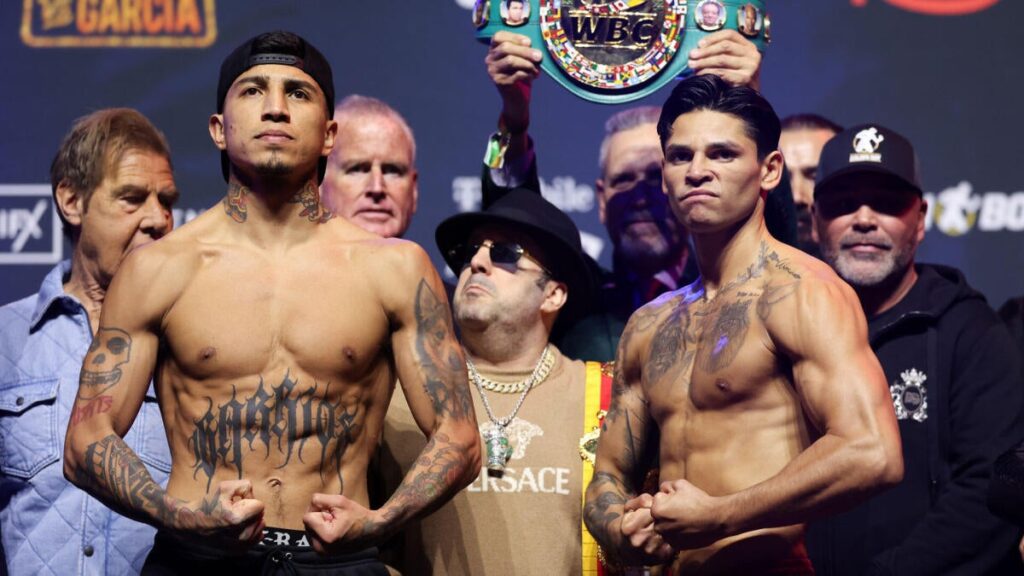



In the world of professional boxing, the terms champion and legend are often used interchangeably by casual fans, but for the purists, they represent two very different tiers of achievement. A champion is a person who conquers the current landscape, while a legend is someone who conquers time itself. Understanding this distinction is essential for any fan who wants to appreciate the depth and history of the Sweet Science.
Defining the Boxing Champion
A boxing champion is primarily defined by their possession of a world title belt from one of the major sanctioning bodies like the WBC, WBA, IBF, or WBO. To become a champion, a fighter must possess exceptional physical conditioning, technical proficiency, and the tactical discipline to win a specific bout against a top-rated contender. However, being a champion is often a temporary state, as titles can be lost as quickly as they are won in the volatile world of combat sports.
The path to a championship often involves climbing the rankings and defeating a reigning titleholder. While this is a monumental feat that requires years of dedication, it is fundamentally a sporting achievement. Many champions enjoy successful reigns, defending their belts multiple times against mandatory challengers, yet they may never cross the threshold into legendary status because their impact remains confined to the ring and the specific era in which they fought.
The Aura of a Boxing Legend
A boxing legend, on the other hand, is defined by an intangible quality that transcends the sport. Legends are not just remembered for their wins and losses, but for how they changed the game, inspired a generation, or stood for something greater than themselves. A legend’s story is often woven into the cultural fabric of society, making them household names even among those who have never watched a single round of boxing in their lives.
One of the primary markers of a legend is longevity and the ability to remain relevant across different eras. While a champion might have a peak that lasts three or four years, a legend often maintains relevance over decades. They demonstrate the ability to adapt their style as they age, proving that their success was not merely a result of youthful athleticism but of a profound and masterful understanding of boxing strategy.
Cultural Impact and Social Significance
Legends often carry a burden of social significance that regular champions do not. Consider icons like Muhammad Ali or Joe Louis; their impact was felt far beyond the ropes of the boxing ring. They represented political movements, racial struggles, and national pride. Their fights were not just sporting events; they were historical milestones that reflected the tensions and triumphs of their eras, giving them a permanent place in history books.
The Quality of Opposition
Another critical differentiator is the quality of opposition and the willingness to take risks. A champion might build an impressive record by fighting safe opponents or mandatory challengers who do not pose a significant threat to their status. A legend, however, is forged in the fire of great rivalries. To be a legend, one must have fought the best of their era, often engaging in superfights where the stakes were at their highest and the margin for error was non-existent.
The distinction between the two can often be summarized by looking at their career priorities:
- Champions: Often focus on maintaining their undefeated record and holding onto their belts through strategic matchmaking.
- Legends: Seek out the toughest challenges and the most dangerous opponents to prove their absolute superiority.
Style and Innovation
Many legends are credited with innovating the sport or perfecting a specific style to an art form. Whether it was the defensive wizardry of Willie Pep, the rhythmic movement of Sugar Ray Leonard, or the destructive peek-a-boo style of Mike Tyson, legends often bring something new to the ring. They influence how future generations train and fight, leaving a technical blueprint that coaches and historians study for years after the fighter has retired.
Overcoming Adversity and Resilience
The narrative of a legend usually includes a significant fall from grace followed by a miraculous comeback. While a champion might retire or fade away after a few high-profile losses, a legend’s legacy is often defined by how they handled defeat. The ability to reclaim a title or perform at an elite level after being counted out by the media and the public is a hallmark of the legendary spirit, showcasing a level of mental fortitude that goes beyond physical talent.
The Role of Charisma and Personality
Charisma plays a massive role in the transition from champion to legend. A fighter who can captivate an audience with a microphone as well as they can with their fists has a much higher chance of reaching legendary status. This personality allows them to build a personal brand that lives on through documentaries, books, and films, ensuring that their name remains in the public consciousness long after they have hung up the gloves for the final time.
Statistical Dominance vs. Historical Significance
While statistics and records are important, they do not tell the whole story of a fighter’s greatness. There are champions with undefeated records who are largely forgotten by the public, and there are legends with multiple losses who are immortalized. This is because history prioritizes iconic moments over raw numbers. A single display of incredible heart in a losing effort can do more for a fighter’s legacy than ten routine title defenses against mediocre competition.
Influence on Future Generations
A boxing legend acts as a beacon and a source of inspiration for future fighters. When you hear a modern prospect say they started boxing because they saw a tape of Roberto Duran or Julio Cesar Chavez, you are witnessing the enduring power of a legend. Their influence creates a lineage, where their techniques and spirit are passed down through gyms across the world, effectively making them immortal within the sport’s ecosystem.
The Hall of Fame Threshold
The International Boxing Hall of Fame serves as the ultimate arbiter of this distinction. While many world champions are eligible for induction, only those who have left an indelible mark on the sport are eventually voted in. The criteria for induction often involve looking at the fighter’s contribution to the sport’s popularity, their sportsmanship, and their performance in big-time atmosphere fights that defined their specific generation of boxing.
Conclusion: Why Legends Live Forever
In conclusion, while every legend was once a champion, not every champion will become a legend. A champion wins the fight of the day, but a legend wins the respect of history. The difference lies in the heart, the quality of the opposition, and the ability to inspire the world far beyond the confines of a twelve-foot ring. Ultimately, a championship is a title you earn, but a legacy is a gift you leave behind for the sport and the world to remember forever.