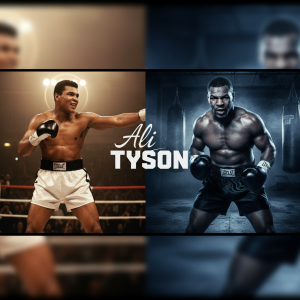



The transition from a high-achiever to a legendary figure is rarely an accident. While many professionals reach the pinnacle of their respective fields, only a select few manage to weave a narrative so powerful that it transcends their active years. This process involves the deliberate construction of a mythos—a collection of stories, values, and symbols that define their essence long after they have stepped away from the spotlight.
At the heart of every enduring myth is a compelling narrative. It is not enough to be the best; one must represent something larger than life. Narrative branding allows an individual to connect with the collective consciousness of their audience, turning statistics and achievements into folklore that people want to retell and preserve for future generations.
The Architecture of the Origin Story
Every legend begins with a foundational tale that highlights struggle and eventual triumph. This origin story serves as the anchor for the myth. By emphasizing humble beginnings or significant obstacles, legends create a relatable entry point for their audience. When people see the struggle, the eventual success feels earned and almost predestined, which is a key component of mythological status.
The Hero’s Journey is a recurring theme in these narratives. Whether it is an athlete returning from a career-ending injury or an entrepreneur starting in a garage, these stories evoke deep emotional responses.
- Overcoming adversity
- Relentless pursuit of excellence
- Sacrifice for a greater cause
These elements ensure that the story remains relevant even as the specific details of the career fade.
Strategic Use of Mystery and Enigma
In an age of overexposure, legends often understand the value of what is left unsaid. Mystery is a powerful tool for myth-making. By maintaining a certain level of distance from the public, these individuals allow their audience to fill in the gaps with their own imaginations. This projection often elevates the person to a status that reality could never fully satisfy.
Controlled accessibility ensures that every public appearance or statement carries significant weight. When a legend speaks, it is treated as an event rather than a routine occurrence. This scarcity of information forces the public to rely on the existing myth, reinforcing it through speculation and reverence. The less we know about the mundane aspects of their lives, the more we focus on their extraordinary feats.
Visual Identity and Iconic Symbolism
A myth needs visual cues to survive the passage of time. Legends often cultivate a specific look, gesture, or logo that becomes synonymous with their identity. Think of the specific silhouette of a basketball player or the minimalist attire of a tech visionary. These symbols act as visual shorthand for the entire mythos, making the legend instantly recognizable across different cultures and eras.
These symbols often transcend the products or services the legend originally provided.
- Logos that represent a lifestyle
- Signature moves that are imitated by youth
- Specific catchphrases that enter common parlance
By embedding themselves into the visual and linguistic fabric of society, legends ensure their presence is felt long after their career concludes.
The Importance of Peak Performance Moments
While consistency is key for a career, myths are built on singular, transcendent moments. These are the flashbulb memories that the public holds onto. Whether it is a game-winning shot, a revolutionary product launch, or a world-changing speech, these moments serve as the climax of the myth. They provide the evidence required to support the claim of legendary status.
These peak moments are often replayed and re-analyzed for decades. They become the benchmarks against which all future performers are measured. By setting an impossibly high standard during these critical junctures, legends create a legacy that is difficult to replicate, further solidifying their place in history as unique and irreplaceable icons.
Mentorship and the Extension of Influence
A legend’s myth is often carried forward by those they have influenced. By mentoring the next generation, legends create a lineage that keeps their name alive. When a new star attributes their success to the teachings or inspiration of a predecessor, the original myth is validated and refreshed. This intellectual inheritance ensures that the legend’s philosophy continues to shape the industry.
This influence often creates a school of thought or a specific style that bears the legend’s name. As long as people are practicing the methods developed by the icon, the icon remains relevant. The myth evolves from being about a person to being about a standard of excellence or a specific way of approaching a craft, which is the ultimate form of career longevity.
The Role of Media and Archival Documentation
In the modern era, the way a career is documented plays a massive role in myth-making. High-quality documentaries, biographies, and digital archives serve as the scriptures of the legend. These media pieces are often curated to highlight the most impressive aspects of the career, carefully editing out the mundane to present a polished, heroic version of events.
The digital footprint of a legend is a double-edged sword, but when managed correctly, it provides a permanent repository for the myth. Social media algorithms often favor iconic content, ensuring that the highlights of a legend’s career are constantly rediscovered by younger audiences. This perpetual discovery cycle is vital for a myth to outlive the physical presence of the person who created it.
Ultimately, legends create myths by understanding the human need for archetypes. We look for figures who embody our highest aspirations and our most profound struggles. By aligning their personal brand with these universal themes, legends stop being mere professionals and start being symbols of human potential. Their myths outlive their careers because the stories they tell are not just about them—they are about the possibilities inherent in all of us.