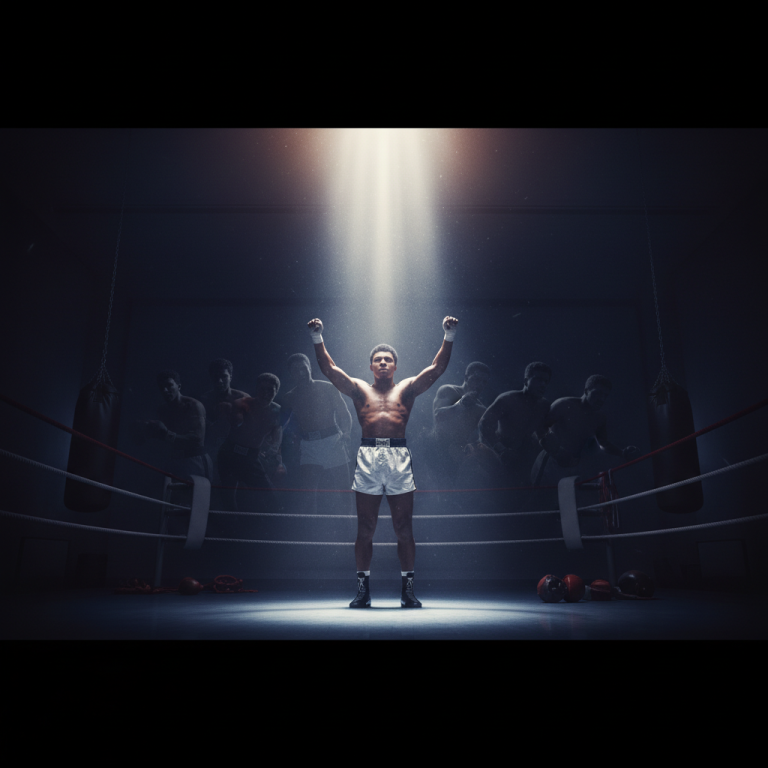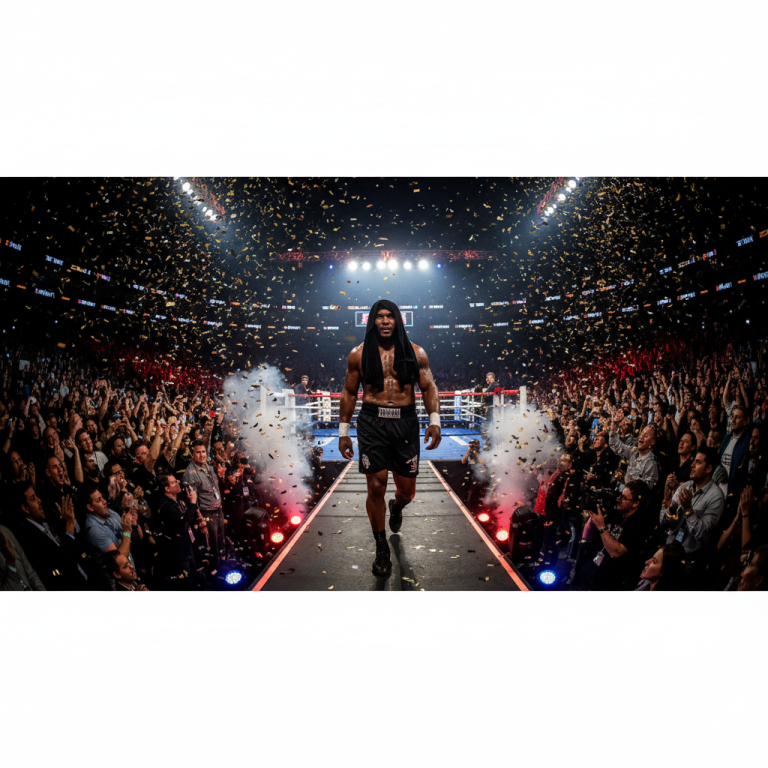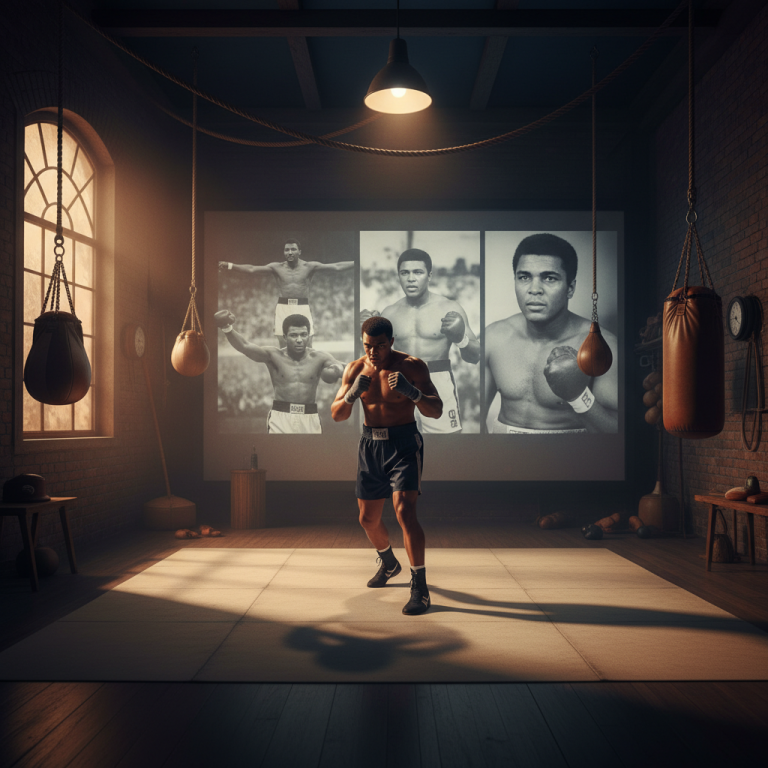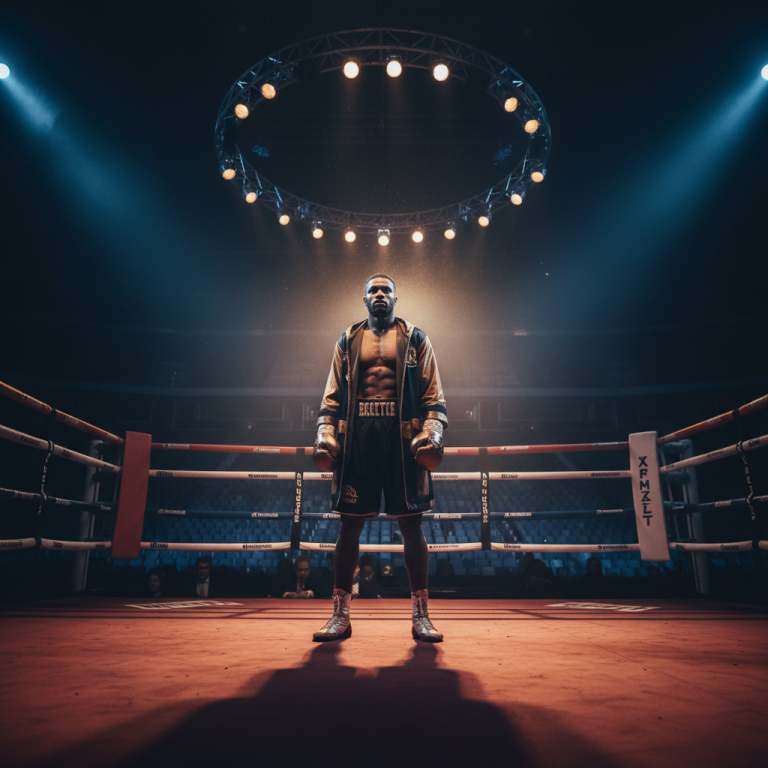

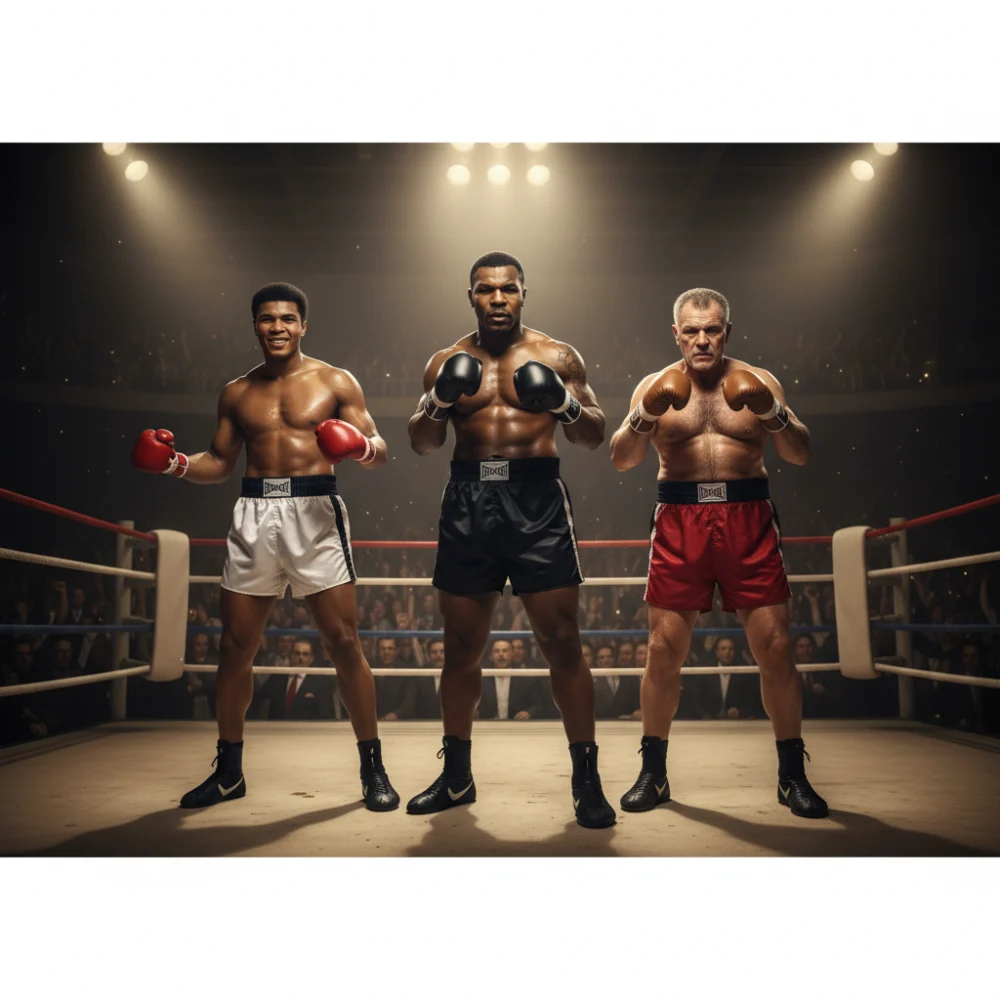
Boxing has always been more than a mere contest of physical strength and tactical skill; it is a narrative of human resilience, social change, and cultural transformation. Throughout history, certain individuals have emerged from the ring to become symbols of their era, embodying the hopes, struggles, and triumphs of the people they represented. These legends did not just win championships; they defined entire generations through their actions both inside and outside the ropes.
The Roaring Twenties and Jack Dempsey
In the 1920s, Jack Dempsey, known as the Manassa Mauler, became the first true superstar of the modern boxing era. His aggressive, fast-paced fighting style mirrored the energy of the Roaring Twenties, a time of rapid economic growth and social change in America. Dempsey was the first fighter to participate in a million-dollar gate, proving that boxing could be a massive commercial success and a central part of popular culture.
Dempsey’s influence extended beyond his punching power. He helped transition boxing from a fringe, often illegal activity into a mainstream spectacle. His presence at social events and his crossover into the world of film established the template for the modern sports celebrity, a legacy that continues to influence how athletes manage their public personas today.
Joe Louis: A Symbol of National Unity
As the world moved into the dark days of the Great Depression and the lead-up to World War II, Joe Louis emerged as a beacon of hope. The Brown Bomber held the heavyweight title for an unprecedented 12 years, but his impact was most felt during his 1938 rematch against Germany’s Max Schmeling. In a time of rising global tension, Louis became a representative of American democracy against the backdrop of Nazi ideology.
Louis was more than a champion; he was a hero to African Americans during a period of intense racial segregation and a symbol of national pride for all Americans during the war. His quiet dignity and devastating efficiency in the ring earned him respect across racial lines, making him one of the first Black athletes to achieve true national hero status in the United States.
The Revolutionary Spirit of Muhammad Ali
The 1960s and 70s were defined by social upheaval, and no figure loomed larger in this landscape than Muhammad Ali. Originally known as Cassius Clay, Ali revolutionized the heavyweight division with his float like a butterfly, sting like a bee philosophy. He brought a level of speed, agility, and charisma to the ring that had never been seen before, but his true legacy was forged in his convictions.
Ali’s refusal to be drafted into the Vietnam War on religious and moral grounds made him a lightning rod for controversy. By sacrificing the peak years of his career for his beliefs, he became a global icon of resistance and civil rights. His eventual return to the ring and legendary battles with Joe Frazier and George Foreman solidified his status as The Greatest, a man who defined an era of protest and change.
The Golden Age of the Four Kings
Following the retirement of Ali, the 1980s saw a shift in focus from the heavyweights to the smaller weight classes, dominated by the Four Kings: Sugar Ray Leonard, Roberto Duran, Thomas Hearns, and Marvin Hagler. This era is often cited as the pinnacle of technical boxing and competitive rivalry, as these four legends fought one another in a series of historic bouts.
- Sugar Ray Leonard: The charismatic technician who bridged the gap between boxing and mainstream entertainment.
- Roberto Duran: Known as Manos de Piedra (Hands of Stone), he represented the grit and relentless pressure of the Latin American fighting spirit.
- Thomas Hearns: The Hitman, whose incredible reach and devastating right hand made him a threat in multiple weight classes.
- Marvin Hagler: The Marvelous one, a blue-collar warrior who personified discipline and toughness.
The rivalries between these four men defined the sports landscape of the 1980s. Their willingness to face the best in their prime created a standard for competition that modern boxing fans still look back on with reverence. They proved that the lower weight classes could command just as much attention and revenue as the heavyweights.
The Ferocity of Iron Mike Tyson
As the 1980s drew to a close and the 90s began, Mike Tyson brought a new level of intimidation and raw power to the sport. Becoming the youngest heavyweight champion in history at age 20, Tyson’s peek-a-boo style and explosive knockouts made him a global phenomenon. He was the baddest man on the planet, a figure who embodied the raw, often chaotic energy of the late 20th century.
Tyson’s impact on the sport was psychological as much as physical. He restored the aura of the heavyweight division, making every fight a must-see event. Despite his personal and professional turmoils, his influence on the culture of the 90s was undeniable, influencing everything from fashion to the way athletes were marketed as anti-heroes.
The Business of Boxing: Floyd Mayweather Jr.
In the 21st century, Floyd Money Mayweather Jr. redefined what it meant to be a successful boxer in the digital age. By focusing on defensive mastery and an undefeated record, Mayweather turned boxing into a high-stakes business. He took control of his own promotion and marketing, becoming the highest-paid athlete in the world through his Pretty Boy and later Money personas.
Mayweather’s era was defined by the transition to pay-per-view dominance and the emphasis on the 0 in a fighter’s record. While polarizing, his technical brilliance and business acumen changed the financial structure of the sport forever, teaching future generations of fighters the importance of brand management and self-promotion.
Manny Pacquiao and Global Influence
Parallel to Mayweather’s rise was the incredible journey of Manny Pacquiao, the only eight-division world champion in history. Pacquiao’s high-octane, aggressive style made him a fan favorite, but his impact in his home country of the Philippines was profound. He became a symbol of national hope, eventually transitioning into a career in politics while still competing at the highest levels.
The legendary rivalry between Mayweather and Pacquiao defined the first two decades of the 2000s, culminating in the highest-grossing fight in history. Together, they showed that boxing remains a global language, capable of uniting diverse audiences and creating legacies that will be discussed for generations to come.