

The emergence of Mike Tyson in the mid-1980s is often viewed as a singular force of nature that struck the boxing world without warning. However, to understand the magnitude of his impact, one must first analyze the fragmented and often lethargic state of the heavyweight division that preceded him. After the retirement of Muhammad Ali and the aging of Larry Holmes, the division entered a period of transition that lacked a definitive, charismatic leader.
The Shadow of Muhammad Ali
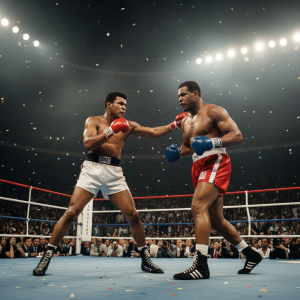
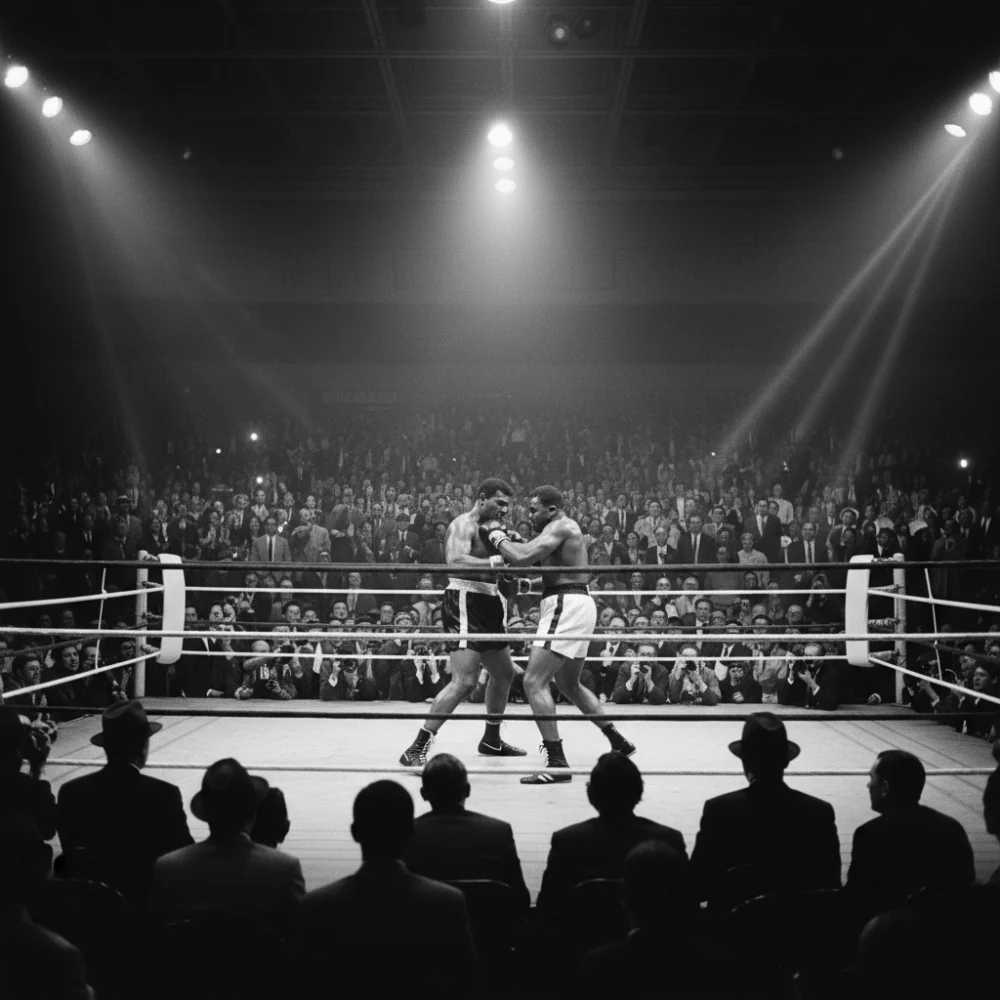
By the early 1980s, the heavyweight landscape was still reeling from the vacuum left by Muhammad Ali. Ali had not only dominated the ring but had also elevated the sport into a global cultural phenomenon. His departure left a void that proved impossible to fill immediately, leading to a decade where the public felt a profound sense of nostalgia and dissatisfaction with the current crop of fighters.
Larry Holmes, while an incredible technician and one of the greatest champions in history, suffered from the unfortunate timing of following Ali. Holmes was a master of the jab and possessed immense heart, but he lacked the flashy persona that the casual audience craved. His long reign was respected by purists but often dismissed by a public that was waiting for the next ‘big thing’ to ignite their imagination.
The Rise of the Lost Generation
The era between 1978 and 1985 is frequently referred to by boxing historians as the era of the Lost Generation. This period featured a rotating door of champions like Greg Page, Tony Tubbs, Tim Witherspoon, and Pinklon Thomas. These fighters possessed immense natural talent and physical gifts, yet they were often criticized for a lack of discipline, inconsistent training habits, and struggles with the temptations of the era.
- Greg Page: A brilliant stylist who often struggled with weight and motivation.
- Tim Witherspoon: A powerful puncher whose career was frequently hampered by promotional disputes.
- Tony Tubbs: A fast-handed boxer who lacked the stamina to maintain his dominance.
The Fragmentation of the Alphabet Soup
During this period, the influence of sanctioning bodies like the WBA, WBC, and the newly formed IBF began to complicate the championship landscape. Instead of one undisputed king, the world was presented with a fragmented title picture. This ‘alphabet soup’ of titles led to confusion and a sense that the heavyweight crown had been devalued, as champions frequently avoided one another due to political and financial disagreements.
The lack of a singular, intimidating presence meant that the title changed hands with alarming frequency. This instability created a hunger within the boxing community for a unifying force—someone who could sweep through the division and restore the prestige of the Undisputed Heavyweight Championship. The stage was perfectly set for a destructive disruptor to emerge.
Cus D’Amato’s Strategic Vision
While the heavyweight division was stagnating, Cus D’Amato was meticulously engineering a fighter specifically designed to exploit the flaws of the 1980s champions. D’Amato recognized that the tall, upright, and often slow-starting heavyweights of the era were vulnerable to a short, explosive, and psychologically terrifying attacker. This vision became the foundation of the Mike Tyson project.
The Peek-a-Boo Style as a Counter-Measure
The Peek-a-Boo style, characterized by a high guard, constant head movement, and explosive counter-punching, was the perfect antidote to the jab-heavy style of the early 80s. Tyson was trained to get inside the reach of taller opponents, rendering their height advantage useless. This tactical innovation allowed a relatively short heavyweight to dominate men who were much larger on paper.
The Psychological Void
Beyond physical talent, the champions of the early 80s often lacked the killer instinct that had defined previous eras. Many fights were tactical affairs that lacked the raw intensity the public associated with heavyweight boxing. Tyson’s aura of invincibility and his ‘iron’ persona were crafted to fill this psychological void, striking fear into opponents before the first bell even rang.
When Tyson finally stepped into the ring against Trevor Berbick in 1986, the contrast was jarring. Berbick, who had defeated an aging Ali and held the WBC title, represented the old guard. Tyson’s two-round destruction of Berbick wasn’t just a victory; it was a symbolic execution of an era that had overstayed its welcome. The speed and violence Tyson displayed were unlike anything the 80s heavyweights were prepared for.
The Heavyweight World Series
The chaos of the era eventually led to the HBO Heavyweight World Series, a tournament designed to crown an undisputed champion. This tournament was only possible because the division had become so convoluted that the networks and promoters realized a unification was the only way to save the sport’s commercial viability. Tyson became the beneficiary of this organized effort to clean up the division.
The Impact of Television and Media
The 1980s also saw the rise of cable television, which required a superstar to drive subscriptions. The media needed a narrative of dominance and destruction to market to a wider audience. Tyson’s highlight-reel knockouts were tailor-made for the burgeoning era of sports broadcasting, allowing him to become a global icon faster than any heavyweight before him.
It is important to note that the technical deficiencies of his predecessors made Tyson look even more superhuman. Many of the fighters he faced were accustomed to a slower pace and lacked the defensive footwork to handle Tyson’s lateral movement. By the time they realized the danger, Tyson had already closed the distance and landed the decisive blow.
The Legacy of the Transition
In conclusion, Mike Tyson did not emerge in a vacuum. He was the product of a specific historical moment where talent, marketing, and tactical innovation intersected with a weak and divided heavyweight era. The ‘Lost Generation’ provided the perfect backdrop for Tyson to shine, as their inconsistencies highlighted his discipline and their tactical rigidity highlighted his explosive versatility. Tyson didn’t just win titles; he ended an entire era of boxing uncertainty.